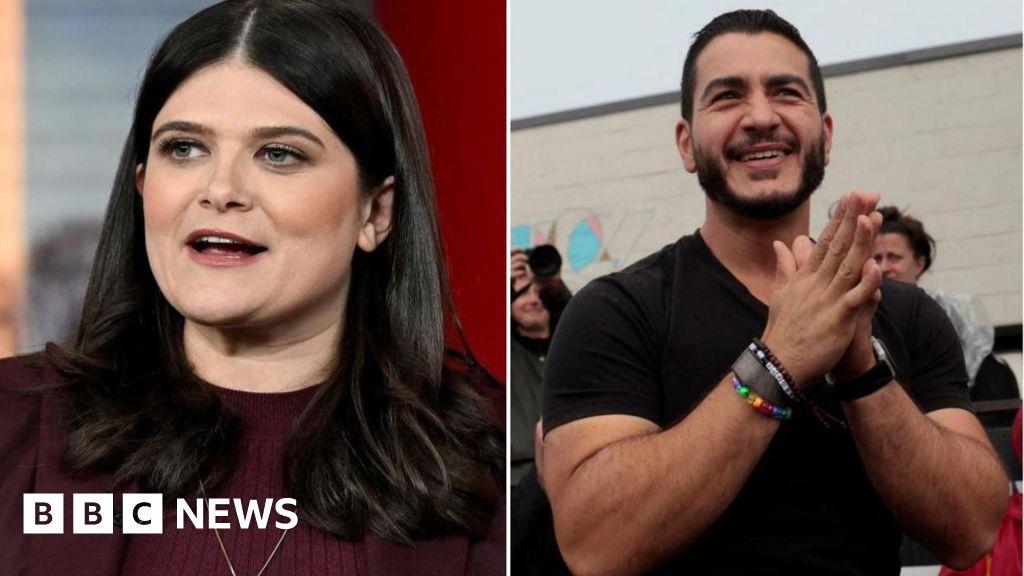
USA · 05 August, 2026 · 3 min read
Abdul El-Sayed Defeats Haley Stevens in Michigan Democratic Senate Primary
Abdul El-Sayed narrowly defeated Haley Stevens in Michigan Senate primary. Progressive El-Sayed defeated establishment-backed Stevens in a left-wing win.
How pro-Israel spending and Israel policy shaped the primary.
10 of 12 outlets skipped it: pro-Israel organisations spent over $30m to support Stevens.
16outlets compared
Same story, two versions
tap a side to read it in full
Fox News
“attacks on El-Sayed’s Democratic Socialist leanings dominated the primary”Read the original ↗
The Christian Science Monitor
“One of the sharpest divides between the two candidates was over U.S.-Israeli policy:”Read the original ↗
Fox frames the race as socialist-leaning attacks, not the Israel-policy fault line
El-Sayed edges Stevens
Abdul El-Sayed, a former health official, narrowly won the Michigan Democratic Senate primary against Rep. Haley Stevens, setting up a November matchup with Republican Mike Rogers for the open seat after Sen. Gary Peters announced he wouldn't seek reelection.
“the latest test of the party's divisions”
CBS News projected El-Sayed would defeat Stevens in a closely watched contest that represented “the latest test of the party's divisions,” and it said El-Sayed, 41, ran on a leftist platform while Stevens, 43, took a more moderate lane backed by outgoing Gov. Gretchen Whitmer.
The Associated Press called the race for El-Sayed at 9:56 a.m. Wednesday, with El-Sayed leading by 1% with 99% of all ballots counted, according to Bridge Michigan.
Le Monde.fr said the Associated Press called El-Sayed's win on Tuesday, August 4, by 48.48% of the vote to 47.51%, and it described the contest as a confirmation of momentum for the Democratic Party’s left wing.
NPR said El-Sayed will face Mike Rogers this fall for the Senate seat being vacated by Democratic Sen. Gary Peters, after vote counting went through the night and into the morning before the race was decided.
Unity and Israel divide
After the result, El-Sayed called for unity and told CBS News that “Whatever differences that we might have had in the primary, they pale in comparison to what unifies us,” while warning that Democrats must ensure “Mike Rogers never sees the inside of the U.S. Senate.”
Stevens, who had been recruited by Senate Minority Leader Chuck Schumer and endorsed by Gov. Gretchen Whitmer, said she would support El-Sayed to “make sure this Senate seat remains blue,” and she argued “Donald Trump and Mike Rogers want us to come out of this primary tired and divided.”
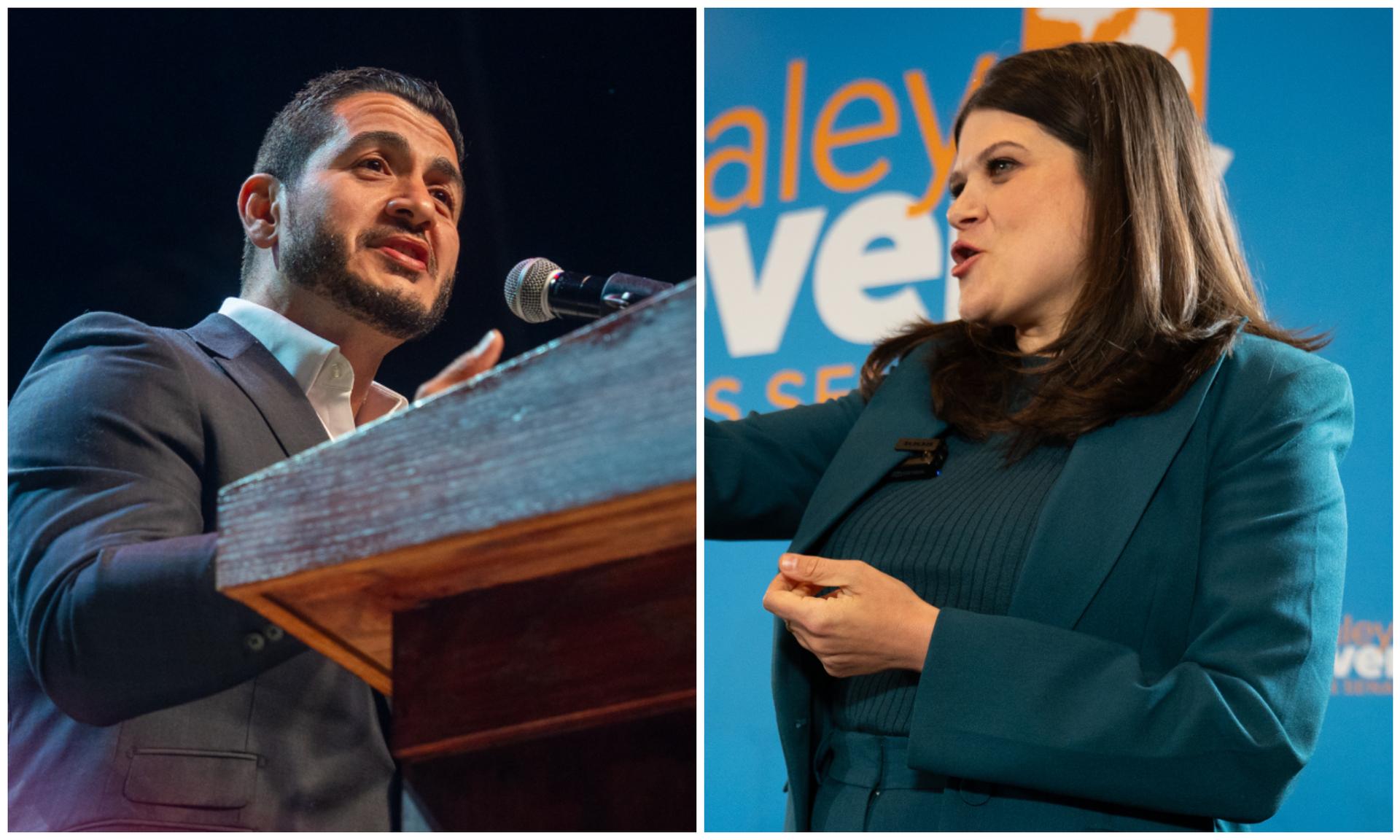
On the Israel question, CBS News reported that El-Sayed was asked by Ed O'Keefe about concerns from Jewish voters after he responded to March's attack on a Detroit-area synagogue by saying, in part, that “hurt people hurt people,” and El-Sayed reiterated, “I condemn the attack. It was a vile, antisemitic attack.”
Bridge Michigan quoted Adam Green, co-founder of the Progressive Change Campaign Committee, saying, “Abdul’s primary victory sends a signal to every other Democratic politician – if you fight powerful interests, you can win.”
NPR reported that El-Sayed told Morning Edition shortly before the race was called, “We know that to defeat Trumpism we have to defeat Trump's handpicked candidate,” as the contest became a test of how candidates further left fare outside liberal cities.
What’s at stake next
With the primary win, El-Sayed is set to take on former Rep. Mike Rogers in November, and CBS News said the seat is considered among the most vulnerable for Democrats this cycle in a state that has flipped between supporting Democrats and Republican presidents in recent elections.
“Vice President JD Vance casts the deciding vote”
Le Monde.fr framed the stakes in electoral math, saying Democrats hold 47 seats in the Senate compared to 53 for the Republicans, and that in the event of a tie, Vice President JD Vance casts the deciding vote.
NPR described the Senate primary as a must-win for Democrats hoping to retake the chamber from Republican control, with the seat being vacated by Democratic Sen. Gary Peters.
U.S. News & World Report said the Michigan race was a flashpoint in the civil war among Democrats, noting that national party leaders split on endorsements and that the contest turned on U.S. support for Israel.
rts.ch said pro-Israel organizations invested more than 30 million dollars to support Haley Stevens, and it described Israel as a central theme of El-Sayed’s campaign, alongside fighting the influence of money in politics and opposing U.S. military and financial aid to Israel.