USA · 05 August, 2026 · 2 min read
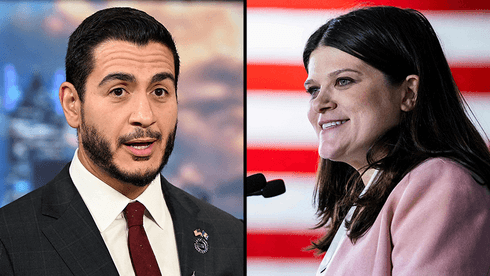
Abdul El-Sayed Defeats Rep. Haley Stevens in Michigan Democratic Senate Primary
Abdul El-Sayed defeated Haley Stevens to win Michigan Democratic Senate primary. Victory came narrowly amid record outside spending, largely from pro-Israel groups.
How central Israel advocacy is to explaining the primary outcome.
8 of 9 outlets skipped it: ynet frames the result as reflecting a 'progressive Muslim wave' in US politics.
23outlets compared
Same story, two versions
tap a side to read it in full
Ynetnews
“This should likely raise serious concerns among Democrats regarding the party’s chances of retaining Michigan’s Senate seat.”Read the original ↗
AP News
““Abdul’s victory was, in my opinion, the most extraordinary victory that I can think of in modern American politics,””Read the original ↗
Ynetnews casts El-Sayed as a Democratic electoral risk; AP News hails it as a breakthrough.
El-Sayed wins Michigan primary
Abdul El-Sayed, a former public health official, narrowly defeated Rep. Haley Stevens in Michigan’s Democratic U.S. Senate primary, setting up a November matchup against Republican Mike Rogers.
“At the time The Associated Press declared him the winner, El-Sayed led Stevens by 14,893 votes”
The Associated Press declared El-Sayed the winner after nearly all ballots statewide had been counted, with El-Sayed leading Stevens by 14,893 votes—just under 1 percentage point—out of more than 1.5 million ballots counted.

El-Sayed, 41, said in his Wednesday remarks, “In the words of Muhammad Ali, we shook up the world,” standing before The Spirit of Detroit in downtown Detroit.
NBC News highlighted that Kornacki said El-Sayed “really ran up the score” with young voters in the Michigan primary win.
The race was called after a bitter primary that offered divergent visions for a party seeking a path back to power, with El-Sayed facing his first challenge of unifying Democratic factions after the contest.
AIPAC, Israel, and party rifts
Al Jazeera said El-Sayed won the Democratic nomination for the United States Senate “overcoming more than $60m in campaign spending, mostly from pro-Israel groups,” describing the result as a blow to AIPAC.
Al Jazeera quoted Maya Berry, executive director of the Arab American Institute, saying voters “did not buy” the avalanche of ads that “only launched negative attacks ‘about an Arab American Muslim man named Abdul.’”
The BBC reported that El-Sayed projected to win Michigan’s Democratic Senate primary, with the final result separating him from Stevens by fewer than 15,000 votes—“a margin of just under 1 percentage point out of more than 1.5 million ballots counted.”
The BBC also quoted Stevens in a statement: “I want to congratulate Abdul El-Sayed on winning the Democratic nomination for US Senate,” adding she was proud to offer her support as he takes on Mike Rogers.
The BBC framed the contest as exposing bitter divisions within the party over its future direction, with the candidates disagreeing sharply on Israel and US involvement in the Middle East.
What comes next in November
El-Sayed will face Republican Mike Rogers in November, and the BBC said the November midterm elections will determine the balance of power in Washington for the last two years of President Donald Trump’s time in office.
“could determine which party controls the chamber for the rest of President Donald Trump’s term”
Al Jazeera said the Michigan result “could determine which party controls the chamber for the rest of President Donald Trump’s term,” while also stating that if El-Sayed wins in November he would become the first Muslim senator in US history.
AP reported that El-Sayed’s victory was “a crucial test for progressives in a key battleground state,” and that he will need to unify Democratic factions after a bitter primary.
The Boston Globe said the work after the primary would be unifying around their nominee, quoting El-Sayed’s Wednesday message that “Whatever differences that we might have had in the primary, they pale in comparison to what unifies us.”
The Boston Globe also quoted Vermont Senator Bernie Sanders arguing El-Sayed will be able to unify Democrats, saying, “I think his economic message will resonate across Democratic constituencies.”