South America24 August, 20263 min read
Abelardo De la Espriella Orders Barranquilla Immigration Raids To Deport Migrants Without Legal Status
This article is an automated aggregation of coverage from news outlets. Our editorials offer in-depth analysis curated by the NewsCord team.
De la Espriella orders raids to identify and deport irregular migrants Operations begin in Barranquilla, prioritizing foreigners tied to crime
Barranquilla raids ordered
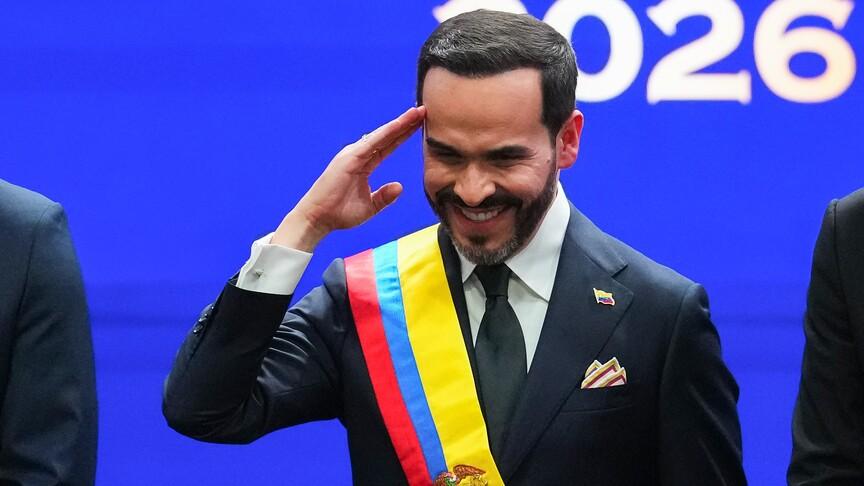
Colombian President Abelardo de la Espriella ordered police and immigration authorities to begin coordinated operations to identify and deport migrants without legal status, starting in Barranquilla, as he announced measures to combat homicide, extortion, drug trafficking and other crimes during a security council meeting in the Caribbean city. In a statement carried by UPI, De la Espriella said, "coordinated operations with the police must begin in Barranquilla to find illegal immigrants," and he added that authorities would first target foreign nationals committing crimes and then those who had not regularized their immigration status in Colombia. The Associated Press reported that De la Espriella, sworn into office three weeks ago, said he would order Colombia’s national immigration service to conduct raids with Colombian police as early as this week, and he framed the policy as part of efforts to reduce crime and confront criminal groups.
The AP said De la Espriella told viewers in a video released on Sunday night in his X account, "I will not accept any illegal immigrants, wherever they come from," and said they would have to leave and be deported. UPI reported that Migration Colombia documented 3,389 deportations and 2,576 expulsions between August 2022 and June, totaling 5,965 people, with remaining in the country without legal status and entering or leaving illegally listed as leading reasons for deportation during that period.
Uncertainty among Venezuelans
The Associated Press said the order generated uncertainty among Venezuelans living in Colombia, especially among thousands who had not regularized their situation, and it quoted immigration lawyer César González saying, "preocupación es muchísima" among the population. AP also reported that Migración Colombia told it the entity had not yet been staffed by a new director, and that the director would be responsible for implementing the “decisions of the Government national in materia de operativos de control, regularización y eventuales procesos de deportación”. In the same AP account, Juntos Se Puede director Ana Karina García said the government stopped handing out new temporary residency permits three years ago and argued that De la Espriella’s administration should expand pathways to legal residency rather than punishing people who cannot obtain residency permits.
García told AP, "But there is no need to protect them from migrants," and added that it had been proven that foreigners do not commit crimes at greater rates than the local population. The UPI report said the Association of Venezuelans in Barranquilla called on authorities to respect due process and the right to a defense during the new operations, warning that "irregular immigration status is not synonymous with criminality," according to Caracol Radio.
Implementation and stakes
UPI said the order was a political and administrative decision by De la Espriella’s government, but it noted the announcement did not include a decree, an enforcement protocol or a deportation target, and it said the government had not explained whether the order changes existing legal standards or seeks to intensify enforcement already carried out by Colombia’s immigration authority.
The Associated Press reported that Migración Colombia said it was currently without a director and would only implement the new policies once a new director is appointed and installed, leaving the timing of raids tied to that staffing step.
UPI also reported that Colombia is home to more than 2.8 million Venezuelans, and it said Migration Colombia had registered 2,831,561 Venezuelan nationals intending to settle in Colombia as of Aug. 31, 2025.
Telemundo reported that Migración Colombia data showed more than 527,000 Venezuelans entered or remained in the country without complying with migration rules, and it quoted Ronal Rodríguez of the Observatorio de Venezuela of the Universidad del Rosario saying Colombia lacks capacity to contain or expel migrants in the way other countries might.
Telemundo also quoted Arles Pereda, president of the Colonia de Venezolanos en Colombia, saying the focus on deportations could increase xenophobia, and it quoted García saying she agreed with pursuing delinquency but not linking it to migration, adding that it “dispara la xenofobia”.