
USA · 08 August, 2026 · 3 min read
Abelardo De La Espriella Sworn In As Colombia President, Replacing Gustavo Petro
Abelardo de la Espriella sworn in as president for 2026-2030 in Cali, replacing Petro. Promises hard-line security to defeat guerrillas and narco-terrorists, seeking order.
Background disturbances: graffiti during inauguration vs none elsewhere.
3 of 4 outlets skipped it: graffiti mocked the new president during Cali inauguration.
15outlets compared
Same story, two versions
tap a side to read it in full
La Vanguardia
““Abelardo gonorrea, el pueblo no copea [no cede]” y “Volvió la horrible noche”.”Read the original ↗
KMVU FOX 26 Medford
“Abelardo de la Espriella vowed to restore order and eradicate "narco-terrorists" in a fiery first speech”Read the original ↗
La Vanguardia adds anti-president graffiti; others keep to policy and ceremonies.
Inauguration in Cali
Abelardo de la Espriella was sworn in as Colombia’s president on Friday, August 7, in the Arena USC at the Santiago de Cali University in Cali, replacing Gustavo Petro after the presidential sash was placed on him by the president of the Congress, Honorio Henríquez.
De la Espriella told journalists, "It is a great day for democracy. Colombia was saved," before taking photographs with his family, and he later said in his first statements after the investiture, "The time for the recovery of order, authority, and freedom has begun".
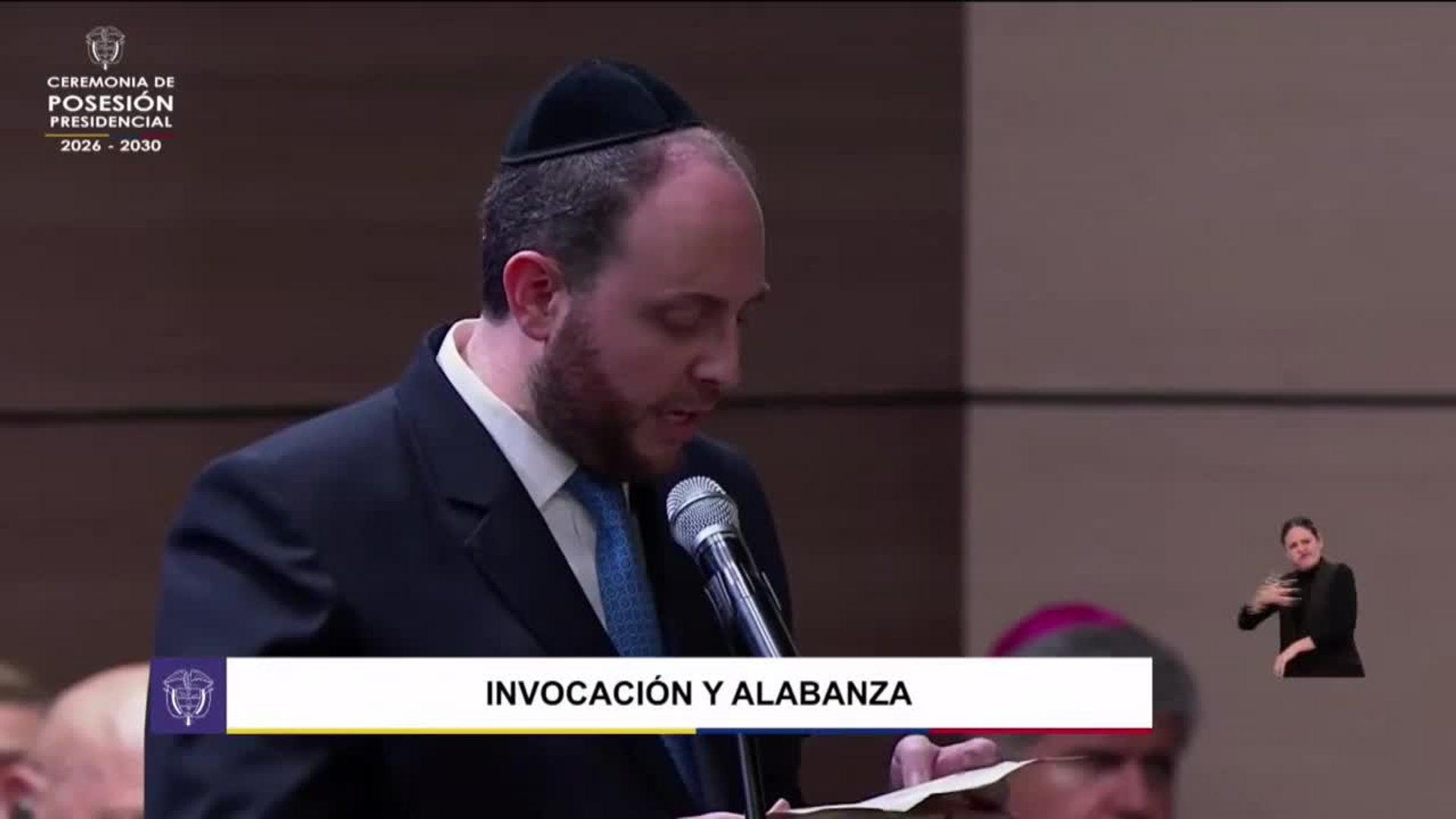
The inauguration ceremony included international dignitaries such as King Felipe VI of Spain and presidents Javier Milei, Daniel Noboa, Santiago Peña, José Raúl Mulino, Luis Abinader, José Antonio Kast, and Nasry Asfura, along with FIFA president Gianni Infantino.
In parallel with the ceremony, the Ejército carried out 21 salvas de cañón from the Escuela Militar de Cadetes José María Córdova in Bogotá, and De la Espriella took the oath to his vice president, José Manuel Restrepo.
After the investiture, he moved to the Cantón Militar Pichincha, where he offered his first address to the high command of the armed forces as part of the shift away from traditional presidential messaging in Bogotá.
Hardline security and Washington
In his first major address after taking office, De la Espriella told thousands of soldiers in Cali that his government would "relentlessly defeat narco-terrorism" and that "The option of dialogue is completely exhausted," framing his approach as a break from the previous administration’s attempts to negotiate with guerrillas and other armed groups. The same speech tied his security plan to Washington, with the US-backed leader pledging to join US President Donald Trump’s regional anti-cartel alliance known as Shield of the Americas and to work closely with Washington under Trump. The US government also signaled support, with the US State Department issuing a release saying the Trump administration intends to work with Congress to announce "$1 billion in assistance as partof a security package to support" the new administration.
De la Espriella’s mandate included proposals to allow US troops to operate from Colombian soil, to target cocaine laboratories in the jungle, and to build "mega-prisons" while reducing the size of the state. Gustavo Petro did not attend the ceremony, and the sources describe that he called for "manifestations de la resistencia" and urged actions of pacific civil disobedience in Barranquilla.
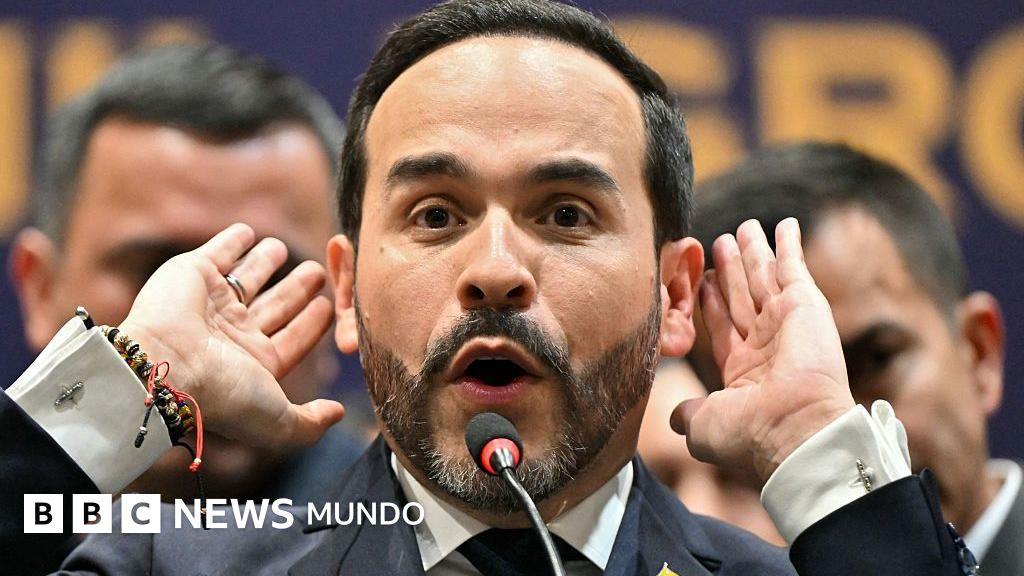
Stakes: Congress, peace, and ties
De la Espriella’s inauguration and early agenda come as his government faces a divided Congress, with the sources stating he lacks a majority and must work with a divided legislature to implement his agenda. Multiple accounts connect his security posture to ending the previous administration’s peace initiatives, with one source quoting that "The option of dialogue is completely exhausted" and another describing that he plans to abandon dialogue with armed groups. The stakes also include foreign-policy alignment with the United States, since the sources say he pledged to join the Shield of the Americas and that the US State Department announced one billion dollars in aid as part of a security package.
At the same time, the sources describe that De la Espriella’s approach includes a hardline stance toward armed groups and drug trafficking, with promises to eradicate coca crops "by all means" and to intensify bombings against guerrilla camps with support from Israel and the United States. Finally, the sources frame the immediate political risk through the outgoing president’s refusal to recognize the election and the call for resistance, while the incoming president’s threats of legal action against leftist leaders and his promise of "no impunidad" set a confrontational tone for the transition.