USA · 07 August, 2026 · 3 min read
US Sanctions Shelbit, Aban Tether Over Iran IRGC Crypto Laundering After Strait of Hormuz Attacks
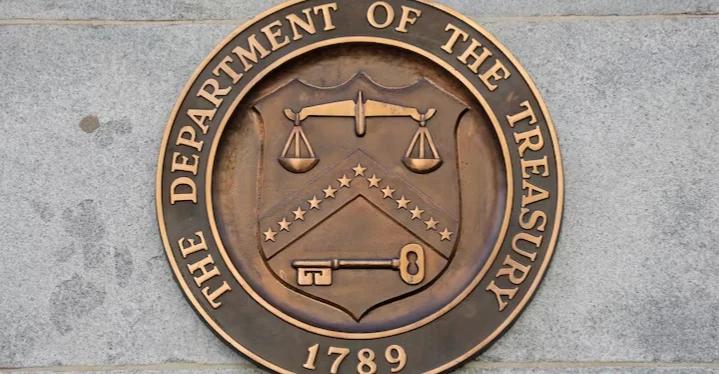
US Treasury sanctioned Shelbit Exchange and Aban Tether for helping Iran move funds outside banking. Sanctions linked to alleged IRGC financing and sanctions evasion via crypto networks.
Reason for sanctions’ timing: Hormuz retaliation vs standalone crypto crackdown.
7 of 10 outlets skipped it: US State Department offers up to $15m via Rewards for Justice.
11outlets compared
Same story, two versions
tap a side to read it in full
WION
“The move comes days after Iran allegedly attacked commercial vessels in the Strait of Hormuz.”Read the original ↗
Crypto News
“The sanctions represent administrative designations rather than criminal convictions.”Read the original ↗
WION ties sanctions to Strait of Hormuz; Crypto News stresses sanctions’ administrative nature.
Sanctions After Strait Attacks
The United States imposed sanctions on Shelbit, Aban Tether, and Siavash Kayvanpour, accusing Iran of using cryptocurrency channels to move money and maintain international financial connections after attacks on commercial vessels in the Strait of Hormuz.
WION said the State Department spokesperson Tommy Pigott described the Iranian regime as laundering billions of dollars through digital asset exchanges, and it reported that the Rewards for Justice programme offered up to $15 million for information disrupting the financial mechanisms of Iran’s Islamic Revolutionary Guard Corps (IRGC).W

Reuters reported that the Shelbit designation followed a July 31 investigation identifying the Dubai-based exchange as the hub of a $4 billion Iranian sanctions evasion scheme, and it said the U.S. also sanctioned Kayvanpour for providing material support to the IRGC and Nobitex.
The Times of India said the U.S. Treasury alleged Shelbit processed millions of dollars in digital assets for the IRGC, Iran’s central bank, and other entities linked to the Iranian state, and it quoted U.S. treasury secretary Scott Bessent saying, "Treasury will hunt down and dismantle the illicit financial networks that keep the regime afloat."
Claims, Denials, and VARA
Reuters said Shelbit’s website had been down for months, but it reported the exchange continued to process money and that the site reactivated the day after the Reuters investigation was published. In the same Reuters account, Shelbit responded with a statement on its reactivated website on August 1, saying, "Shelbit LLC categorically rejects any suggestion that the company knowingly participated in money laundering, terrorist financing, illegal gambling activity, sanctions evasion, or activity on behalf of any sanctioned, military, or governmental organization."
Reuters also described VARA as issuing a notice on July 24 saying, "The exposure identified by VARA extends beyond consumer protection to more egregious cross-border transactions with the propension to impact the integrity of the UAE financial system," after Reuters approached the authority for comment. The Times of India reported that Dubai’s Virtual Assets Regulatory Authority issued a notice on July 24 stating Shelbit violated anti-money laundering and counter-terrorism financing regulations, and it said VARA’s notice described the exposure as impacting the integrity of the UAE financial system.
Financial Pressure and Network Fallout
The U.S. Treasury said IRGC-linked wallets sent more than $1 million in crypto to Shelbit addresses, while Shelbit-linked wallets transferred more than $2 million to wallets linked to the IRGC, and it said Kayvanpour-linked wallets sent over $2 million to Nobitex, according to CoinDesk’s account of the OFAC action.
“"Whether in dollars, rials, or crypto, Treasury will hunt down and dismantle the illicit financial networks that keep the regime afloat."”
JNS.org reported that the Treasury accused the alleged network of using “sprawling corporate networks” and “unlicensed or lightly regulated digital currency exchange platforms,” and it said the Islamic Revolutionary Guard Corps sent more than $1 million to Shelbit via cryptocurrency addresses.
UPI said the move came as retaliation for Iranian attacks on commercial vessels in the Strait of Hormuz this week, and it quoted Treasury Secretary Scott Bessent saying, "Whether in dollars, rials, or crypto, Treasury will hunt down and dismantle the illicit financial networks that keep the regime afloat."
CoinDesk added that the sanctions also targeted a network of foreign exchange houses, shell companies and individuals accused of helping Iran’s shadow banking system move hundreds of millions of dollars, including funds tied to overseas oil sales, as Washington widened its campaign against digital asset networks allegedly funding the IRGC.