USA · updated 57m ago · 2 min read
Trump Administration Prepares Sweeping Sanctions Against International Criminal Court, Reports Say
US to prohibit most ICC transactions after six-to-seven-month grace period Sanctions target entire International Criminal Court, aiming to disrupt finances and day-to-day operations
16 outlets, one story, no spin found.
11 of 12 outlets skipped it: communications services transactions would be exempt.
16outlets compared
Sanctions Loom on ICC
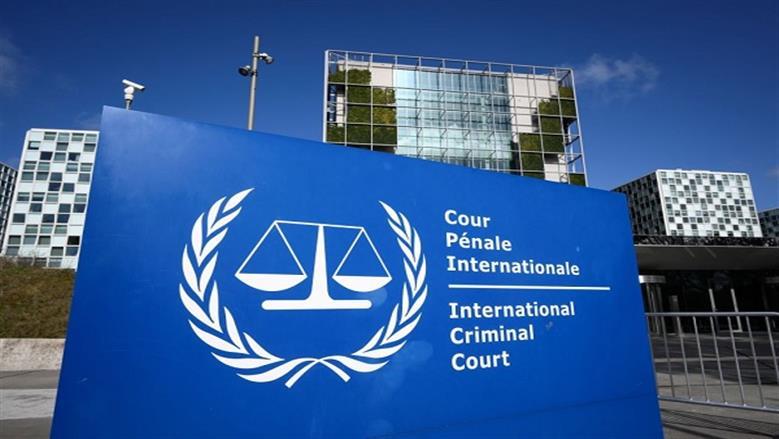
The Trump administration is preparing sweeping sanctions against the International Criminal Court (ICC) that could disrupt the tribunal’s finances and day-to-day operations, with The Wall Street Journal reporting a ban on most transactions with the ICC after a grace period of six to seven months. The proposed measures would escalate Washington’s campaign against the Hague-based court by targeting the institution itself rather than individual judges and prosecutors, and Reuters reported that the administration plans to announce the sanctions soon.
The Trump administration’s plan would generally bar US citizens and companies from providing the ICC with money, goods or services without a licence from the US Treasury, and the ICC president and registrar previously warned that such sanctions could interfere with the court’s ability to buy information technology and insurance services, hire investigators and make routine payments, including salaries for American employees. The ICC was created in 2002 to prosecute individuals accused of genocide, war crimes and crimes against humanity when national authorities are unable or unwilling to do so, and Washington has already sanctioned more than a dozen ICC judges and prosecutors under an executive order signed by President Donald Trump in February 2025.

Pressure Tied to Warrants
The Trump administration is seeking for the ICC to drop the arrest warrants issued against Israeli occupation leaders, as well as a prior investigation into American forces in Afghanistan, according to Al-Jazirah Net. The ICC issued arrest warrants in November 2024 for Israeli Prime Minister Benjamin Netanyahu and former Defence Minister Yoav Gallant over alleged war crimes and crimes against humanity in Gaza, and Israel and the US reject the court’s jurisdiction.
US Secretary of State Marco Rubio announced a campaign in July to further isolate the court and urged other countries to withdraw from it, and the proposed sanctions would add to opposition to the ICC in recent months. Four US-based rights groups sued the Trump administration in August, arguing that existing sanctions obstruct their legal and human rights work, and the United States has never joined the court.

What Sanctions Could Block
The sanctions would generally bar US citizens and companies from providing the ICC with money, goods or services without a licence from the U.S. Treasury’s Office of Foreign Assets Control (OFAC), and banks often take a cautious approach because they rely on access to the American financial system.
The ICC warned that sanctions on the organisation as a whole could affect operations that involve procuring IT services, insurance, hiring investigators and daily financial transactions such as paying dozens of American employees.
The Trump administration’s latest move follows a broader effort to pressure other countries to distance themselves from the ICC, and Chad and Venezuela moved in July to withdraw from the court following Burkina Faso, Mali and Niger.
The proposed sanctions could also be finalized as early as this week during the United Nations General Assembly gathering in New York or soon afterwards, and Reuters said the timing of the announcement remains unclear.