
USA · updated 1h ago · 3 min read
Trump Hosts Xi Jinping At White House As Summit Agenda Covers Iran And Taiwan
Xi Jinping will visit the United States for a state visit with Trump. Key issues include Iran, Taiwan, trade, AI, and rare earths.
12 outlets, one story, no spin found.
12outlets compared
Summit in Washington
U.S. President Donald Trump will host Chinese leader Xi Jinping this week for their second meeting of the year at the White House on Thursday, with Xi set to arrive in Washington on Wednesday for the first time in more than a decade.
China’s Ministry of Foreign Affairs said Xi Jinping will undertake an official visit to the United States from Wednesday to Friday to meet with Trump, and Foreign Ministry spokesperson Guo Jiakun told reporters that the two leaders would exchange views on major global issues.
The summit agenda is expected to address artificial intelligence, economic and trade issues including the current Sino-American trade truce due to expire in November, and the situation in Iran and Taiwan.
U.S. Trade Representative Jamieson Greer said this month that the two countries would make “some announcements on agriculture and non-tariff barriers,” and market participants will watch for signs of an extension to the tariff truce announced after the Trump-Xi summit in South Korea in October.
Boursorama’s Reuters-sourced briefing also framed the meeting as a bid to stabilize a relationship strained by issues ranging from trade to Taiwan and Iran and global concerns about artificial intelligence.
Trade, Boeing, and AI
The Trump-Xi talks are expected to include trade progress ahead of the midterm congressional elections in November, with high-profile purchase deals involving Boeing aircraft and agricultural products.
U.S. Trade Representative Jamieson Greer said on Monday that China was making headway in its commitment to purchase 200 Boeing aircraft but gave no indication of imminent further orders, while Trump had said in May China could potentially raise its Boeing order to as many as 750 aircraft.
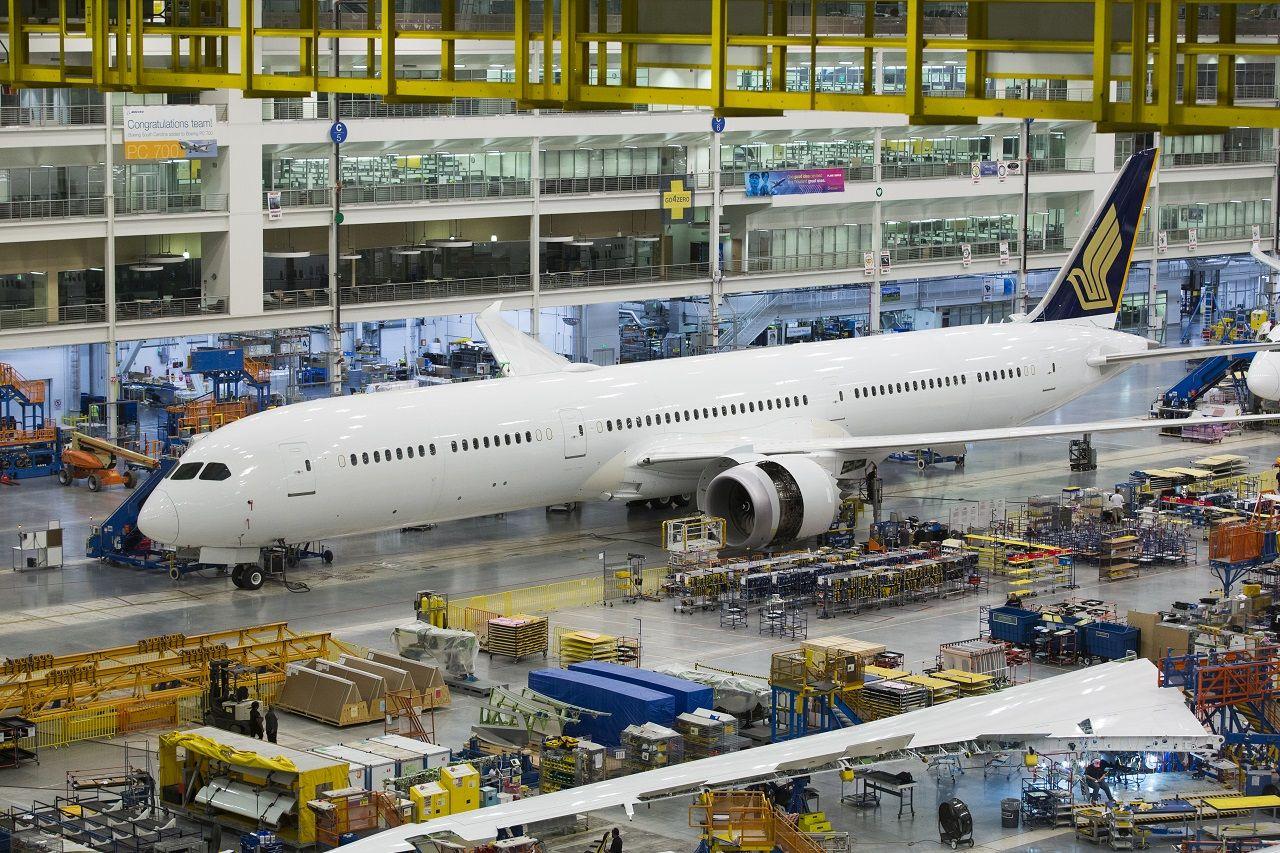
Boeing CEO Kelly Ortberg downplayed expectations for a new order during the talks, saying, “I think orders will rise in the future,” and “They will be announced by the airlines at their own pace, in the way they want.”
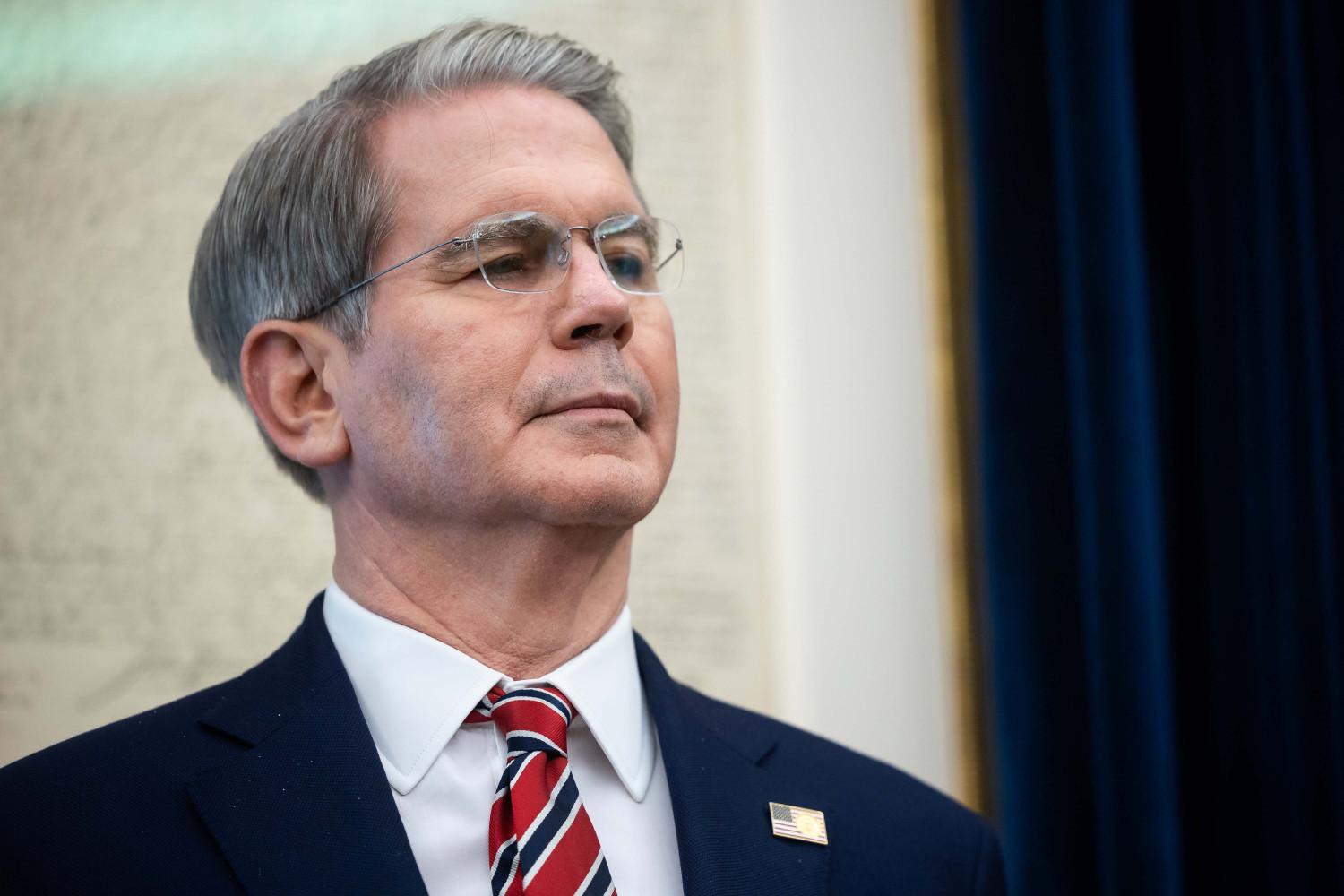
Scott Bessent described a Sunday meeting in New York with Chinese Vice Premier He Lifeng as “very successful,” and he said the discussions addressed issues related to trade and artificial intelligence (AI).
Bessent said the United States proposed a mechanism to notify incidents related to AI that could reach a level of national security, and he argued, “moving from opacity to greater transparency between the world’s two leading AI powers is very important.”
Rare earths and Taiwan
Beijing is pressing Washington to postpone the entry into force of a rule that would prevent thousands of Chinese companies from accessing advanced U.S. technologies, while Washington wants Beijing to facilitate exports of rare earths and other critical minerals essential for high-tech applications. The Reuters-sourced briefing said China controls up to 70% of global rare earth mining, 85% of refining capacity, and about 90% of the production of rare-earth-based alloys and magnets, and it described last year’s rare-earth export restriction as triggering a shockwave across global markets. U.S. allies in Asia are increasingly concerned that Trump might ease Washington’s support for Taiwan, and the Reuters-sourced briefing said the United States remains Taiwan’s most important international supporter and its main arms supplier.
The summit is also expected to address the war in Iran, with the U.S. concerned by China’s support for Iran, whether it involves oil purchases or the supply of satellite images to target American bases in the Middle East. China confirmed the state visit as a bid to strengthen dialogue and cooperation and properly manage differences, while Guo Jiakun said the exchange of visits within six months would be a “major historic event.”