Iran Sets Conditions for Reopening the Strait of Hormuz, Demands U.S. Concessions
Iran demands U.S. concessions, including compensation for damages, before reopening Hormuz. Strait blocked until demands are met; no talks while the U.S. violates the June agreement.
Beat 1 · The verdict
13 outlets, one story, no spin found.
Full story
Conditions for reopening
Iran said it laid down conditions for reopening the Strait of Hormuz, including compensation for damage suffered during the war, while Tehran has effectively restricted passage through the strait since the United States and Israel launched strikes against Iran in late February.
“subject to other conditions and compensation for the violation”
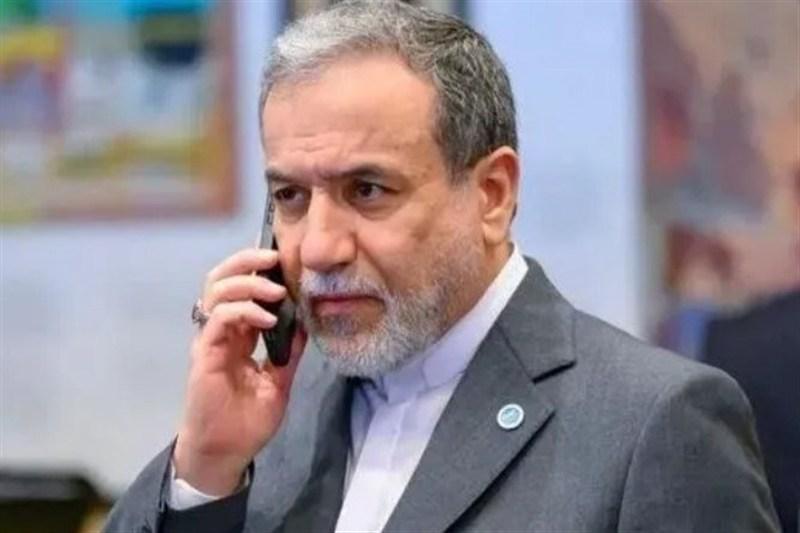
Iranian Foreign Minister Abbas Araghchi said negotiations with Oman concerning transit and the management of the Strait of Hormuz were nearing their final stages, but that an agreement would depend on other conditions including compensation, adding that the reopening was “subject to other conditions and compensation for the violation” of the June agreement.

Iran’s security chief Mohammad Bagher Zolghadr outlined demands Tehran wants addressed before the strait is reopened, including an end to what it described as military aggression against Iran and its allies in Lebanon, Palestine, Yemen and Iraq, and called for the removal of a parallel US naval blockade, the lifting of sanctions, the release of frozen Iranian assets and compensation for wartime damage.
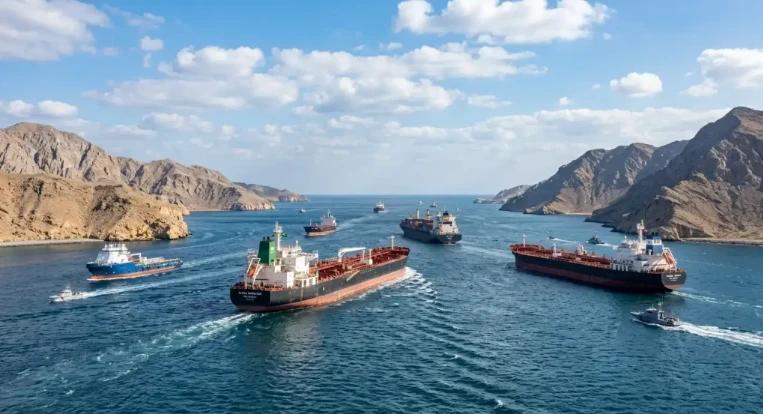
The restrictions have significantly affected maritime traffic through the route, which is critical to the global oil trade, and Iran has sought to impose charges on vessels using the waterway while targeting ships it accuses of trying to avoid its preferred route through Iranian waters.
The United Arab Emirates Foreign Ministry condemned what it described as a “hostile Iranian attack” on an oil tanker operated by Abu Dhabi National Oil Company, saying the tanker was struck by a missile while transiting the Strait of Hormuz, with no casualties reported.
U.S. talks and Iranian demands
The United States acknowledged a difficult economy for Tehran and sources say options to de-escalate the conflict have narrowed, as The Wall Street Journal reported that U.S. President Donald Trump’s options to withdraw from the war against Iran “narrowed.”
Trump told Axios that “we are thinking little about it” and argued that Iran’s situation is in a “very bad” economic state, while Iran’s Foreign Minister Seyed Abbas Araghchi said on Saturday that Iran and Oman are “very close” to an agreement to define new shipping routes through the Strait of Hormuz.

Iran said it is close to striking a final deal with Oman to define new shipping routes, but reiterated that the United States must meet other conditions, including compensation, an end to sanctions and military threats, before reopening the strategic waterway.
Iran’s Supreme National Security Council Secretary Ali Shamkhani said other demands include ending further American threats against Iran, halting attacks on Iran and its allies in Lebanon, the Palestinian territories, Yemen, and Iraq, lifting the U.S. naval blockade in the Gulf, and lifting sanctions on Tehran and releasing frozen Iranian assets.
Reuters reported that an American official told Reuters, on condition of anonymity, that “as soon as the agreement to resume unimpeded commercial shipping is announced, the United States will lift the blockade on Iranian ports.”
Stakes for shipping and energy
Iran’s stance has kept the Strait of Hormuz effectively closed, and the conflict has intensified fears over the potential disruption of energy supplies and the wider impact on international trade if maritime traffic through the strait remains restricted.
“about 20% of the world’s oil and LNG shipments passed through the strait”
Before the conflict, about 20% of the world’s oil and LNG shipments passed through the strait, and Iran effectively closed the strait since the start of the American-Israeli war against it on February 28, helping push up oil prices and inflation.
Oil prices edged up to $84.22 per barrel as optimism about a potential agreement to open the strait waned due to Iran’s insistence that the United States meet its demands, while Brent crude settled in late April at around $126 per barrel, the highest since 2022, amid ongoing shipping disruptions.
The BBC reported that Israeli Prime Minister Benjamin Netanyahu stressed the need to prevent Iran from obtaining a nuclear weapon, while the Islamic Revolutionary Guard Corps confirmed on Sunday that Tehran will not reopen the strategic Hormuz Strait unless the United States accepts all its terms.
In the same reporting, IRGC spokesman Hossein Moghabi said, “Our current strategy is to control this strait until the enemy accepts all our conditions,” and the statements followed the determination by the secretary of Iran’s Supreme National Security Council, Ali Bagheri Kani, of preconditions that the United States must meet before reopening the strait.
Story read · 13 outlets · no spin found · 1 fact unevenly covered
Keep reading
Iran President Pezeshkian Says Mojtaba Khamenei Is Completely Healthy After Meeting
12 sources compared →
Ayatollah Mojtaba Hosseini Khamenei Appoints Six Senior Military Commanders, Including Ali Abdollahi
how 13 outlets framed it →
Mojtaba Khamenei Appoints Ahmad Vahidi IRGC Commander-In-Chief, Orders Offensive Operations
10 sources compared →
Coverage map
West Asian (6)
Western Mainstream (2)
Latin American (1)
How each outlet frames it
Every outlet we compared, the headline it ran, and a link to the original article.
West Asian
Iran ties reopening of the Hormuz Strait to conditions on Washington
09 August, 2026
Iran unveils a list of demands that complicates efforts to open the Hormuz Strait
08 August, 2026
Trump is moving to change Iran war strategy, and Hormuz talks are at a standstill
10 August, 2026
By insisting on the Strait of Hormuz, Iran pushes Trump back toward the memorandum of understanding.
10 August, 2026
Trump is considering ending the war against Iran in exchange for reopening the Hormuz Strait
10 August, 2026
Western Mainstream
Oman and Iran are nearing an agreement on the Hormuz Strait, with Tehran conditioning the fulfillment of its demands before its full reopening
09 August, 2026
Iran ties reopening of the Strait of Hormuz to American concessions on several demands
10 August, 2026
Other
Iran sets conditions for reopening Strait of Hormuz
09 August, 2026
Iran stated that the Strait of Hormuz will remain blocked until the United States accepts “all” of its conditions.
10 August, 2026
Iran Conditions Reopening of Hormuz to Demands from the United States
08 August, 2026
Trump is “semi-negotiating” with Iran over the Strait of Hormuz
10 August, 2026
Latin American
Iran Conditions Reopening the Strait of Hormuz on U.S. Concessions
10 August, 2026
NewsCord Digest
Get every Iran story like this one, in one email
Daily or weekly, only the topics you follow, each with the difference our analysis found across the outlets covering it.
Set up your digestMore on Iran

Iran President Pezeshkian Says Mojtaba Khamenei Is Completely Healthy After Meeting
12 sources compared
Ayatollah Mojtaba Hosseini Khamenei Appoints Six Senior Military Commanders, Including Ali Abdollahi
13 sources compared

Mojtaba Khamenei Appoints Ahmad Vahidi IRGC Commander-In-Chief, Orders Offensive Operations
10 sources compared

Iran Says Oman Shipping Routes Are Final, Strait of Hormuz Reopens Only After U.S. Conditions
11 sources compared