USA07 August, 20263 min read
Study Finds Pumas In Washington’s Olympic Peninsula Reduce Deer-Vehicle Collisions By 76%
This article is an automated aggregation of coverage from news outlets. Our editorials offer in-depth analysis curated by the NewsCord team.
Presence of pumas in Olympic Peninsula correlates with 76% drop in deer-vehicle collisions. Deer alter behavior near roads due to predators, reducing crashes.

Pumas shift deer, cut crashes
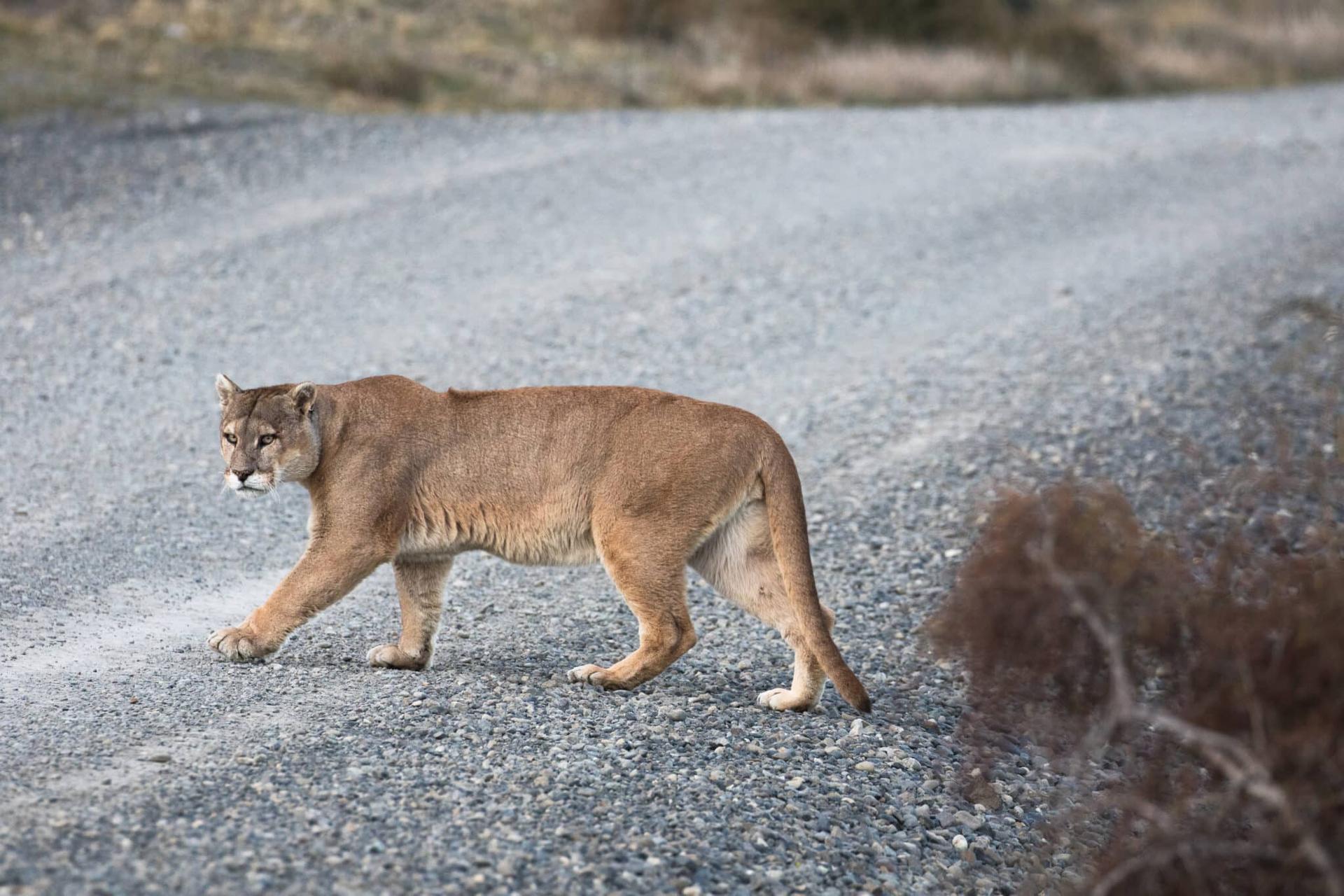
A study published in Current Biology found that mountain lions, also called pumas, in Washington’s Olympic Peninsula changed deer behavior in ways that reduced deer-vehicle collisions. Researchers tracked wildlife across the Olympic Peninsula by comparing collision data with photos from camera traps that revealed the whereabouts of mountain lions. Over a five-year period, deer and elk together accounted for 97% of wildlife-vehicle crashes on the Peninsula, with deer alone responsible for 92%.
The study found that where mountain lions were active, deer were 15 percent less likely to be found near roads, which led to a 67 percent drop in the odds of a traffic accident involving deer. The research also reported a 67% reduction in the likelihood of a deer-vehicle collision and described a 76% reduction in the number of deer-vehicle collisions in areas where pumas were present.
Researchers and quotes
In a press release tied to the Current Biology study, Justin Suraci of Conservation Science Partners in Truckee, Calif., said, “We found that large carnivores can make roadways safer through their effects on prey behaviour and space use.” Suraci added that “Deer alter their use of both space and time where pumas are present, overlapping less with roads and reducing activity at night, when some of the most dangerous collisions occur,” linking the behavior shift to safer driving conditions. The study’s findings described deer shifting activity toward daylight hours where pumas are present, and it reported that deer became more active during the day and less active at night in areas where mountain lions were around.
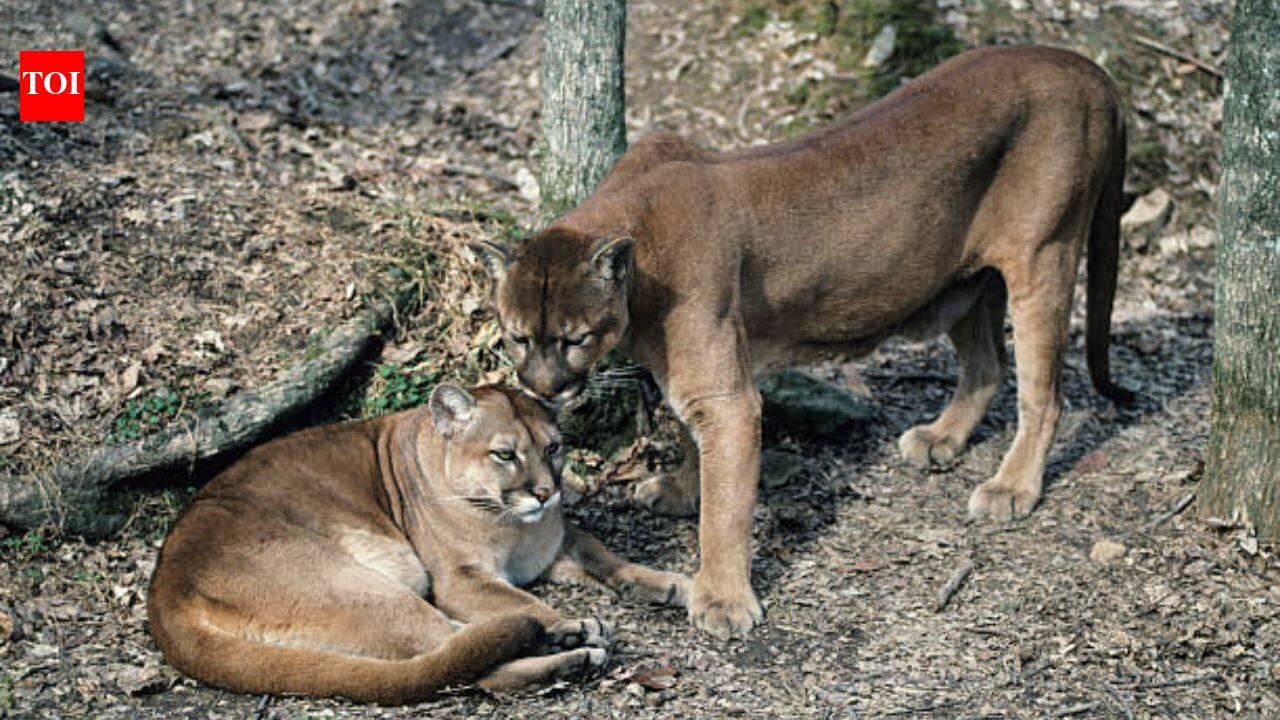
Mark Elbroch of Panthera, a conservation group working to preserve wild cats, said, “When we talk about pumas, we often focus on the risks they pose,” and “But we rarely stop to consider the many ways they benefit us as well.” The research also modeled how crash risk changed as mountain lion presence increased, reporting that the odds of at least one crash over five years rose to a peak of 64% at moderate puma presence before falling to 21% where pumas were most active.
Costs, data, and implications
The study used motion-triggered cameras at 503 spots across the Peninsula, set up by biologists working with tribal nations including the Lower Elwha Klallam Tribe, Makah Tribe, Quinault Indian Nation, and Skokomish Indian Tribe. For additional tracking, researchers strapped GPS collars on 59 mountain lions to see where the cats actually spent their time and how heavily they used different parts of the landscape. For crash data, the team pulled five years of wildlife-vehicle collision records from the Washington State Department of Transportation covering July 2020 through June 2025 and totaling 953 crashes involving hoofed animals.
The study tied puma presence to a public cost by reporting that the crashes left two people dead and more than 80 injured, racking up an estimated $14.7 million in vehicle repairs and health-related expenses. The authors wrote that “Coexistence with humans in a mosaic of unprotected, working, and partially developed landscapes will be crucial to facilitating the ongoing recovery and long-term persistence of large carnivores,” framing what comes next for large carnivore recovery in developed areas.