Africa03 August, 20263 min read
Abiy Ahmed Says Ethiopia’s Five Million Ethiopian Coders Initiative Expands 5G, 4G and Tourism
This article is an automated aggregation of coverage from news outlets. Our editorials offer in-depth analysis curated by the NewsCord team.
Ethiopia pursues a tech-led transformation, expanding digital skills and connectivity to drive growth. Private-sector-led development aims to boost investment, with reforms improving access to finance.
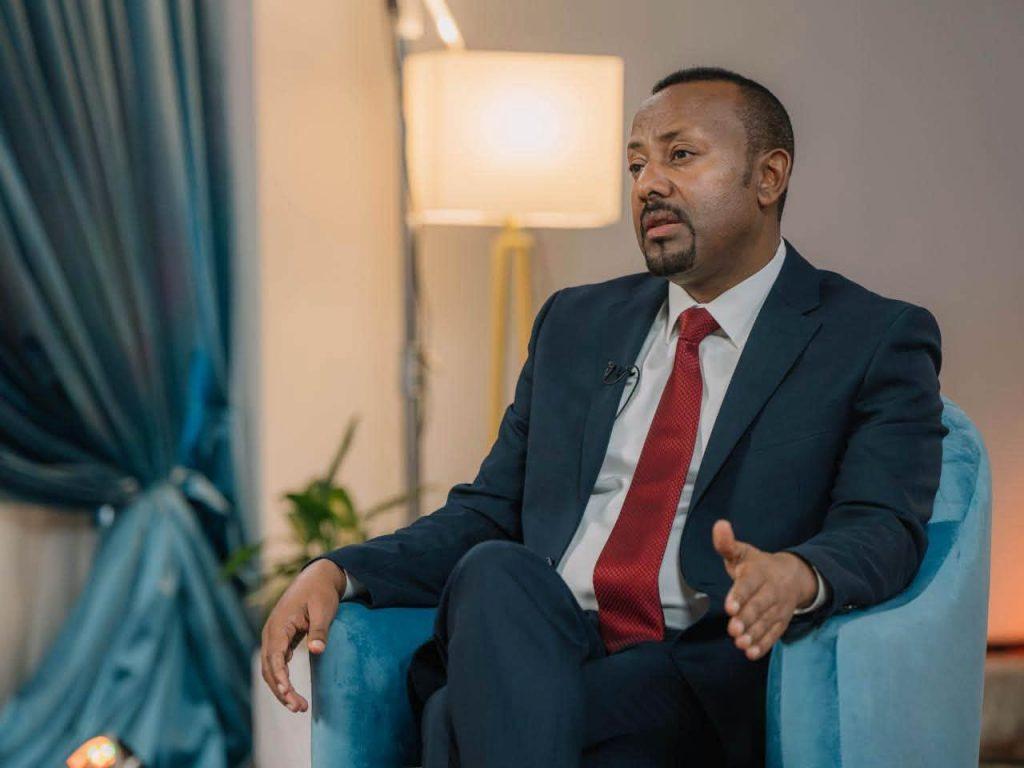
Ethiopia’s digital and tourism push
Ethiopia’s Prime Minister Abiy Ahmed said the country’s technology-driven economy and tourism expansion are reshaping its development trajectory, highlighting the Five Million Ethiopian Coders Initiative during an interview with Amhara Media Corporation (AMECO). Fana Media Corporation S.C reported that through the initiative more than 1.2 million people from the Amhara region have received training, and Abiy Ahmed said five major cities in the Amhara region have gained access to 5G services while about 200 cities have become users of 4G internet connectivity. Abiy Ahmed also pointed to tourism development, citing the Gorgora tourism project and restoration and development efforts at the rock-hewn churches of Lalibela and the historic Fasilides Palace in Gondar.
The same Fana Media Corporation S.C account said tourism facilities around Logo Lake and the Felege Giyon Eco Resort in Bahir Dar have expanded attractions and improved accommodation options for visitors, while gaps in visitor facilities and hospitality services remain important for strengthening the sector. ENA English framed Ethiopia’s development transformation as a trendsetter for Africa’s development transformation through urban development, adoption of digital technologies and openness to multinational investment, with Professor Amos Njuguna of NIERA saying, "As a Kenyan, I admire the Ethiopian way."

Evidence, integration, and investment
Professor Amos Njuguna, Chairperson of the Network of Impact Evaluation Researchers in Africa (NIERA), told ENA English that Ethiopia’s transformation offers lessons for the continent as African countries pursue evidence-based policymaking and closer regional cooperation. ENA English quoted Njuguna saying, "Resource allocation towards solving these problems should follow research findings," and it added that he called for strengthening collaboration among African researchers to establish common frameworks for the continent’s integration agenda. Birr Metrics described Ethiopia as rethinking its approach in a world where President Donald Trump has recast American foreign policy through "America First" and where tariffs and other tools are used as instruments of strategic competition.
In that same Birr Metrics account, Selamawit G/Egziabher (PhD) said, "We can no longer think of development as a simple, straight-line journey," arguing that overlapping disruptions make the economy a connected system where shocks spread. Devdiscourse said the African Development Bank’s expanded engagement with Ethiopia’s private sector reflects a shift toward a private investment-led growth model, and it warned that success depends on continued economic reforms, stronger project preparation, and a more predictable investment environment.

What’s at stake next
Devdiscourse said Ethiopia’s shift away from a development model dominated by public investment and state-owned enterprises aims to attract private capital to sustain growth, create jobs, and improve economic resilience. It also said greater access to loans, equity investments, guarantees, and trade finance could accelerate industrial expansion, increase agricultural value addition, strengthen export-oriented manufacturing, and encourage investment in logistics and infrastructure. Devdiscourse further stated that investors assess regulatory certainty, foreign exchange availability, contract enforcement, taxation policies, infrastructure quality, and financial market efficiency before committing capital.
Birr Metrics reported that the government is targeting economic growth of 10.2 percent in the 2025/26 fiscal year, supported by expected gains in industry, agriculture and exports, while officials said the expansion reflects reforms aimed at increasing production capacity, improving foreign exchange earnings and strengthening private-sector participation. In the same Birr Metrics account, Kebour Ghenna, an economist, said, "The real question is what kind of economic structure is producing these constraints," and he argued Ethiopia’s model remains too reliant on external demand and foreign currency inflows rather than domestic productive capacity.