Iran21 August, 20262 min read
Abutarabifard Says Iran’s Army And IRGC Shifted The Balance Of Power In Iran’s Favor
This article is an automated aggregation of coverage from news outlets. Our editorials offer in-depth analysis curated by the NewsCord team.
Abutarabifard says empowerment of Iran's armed forces shifted the balance of power in Iran's favor. Military power changes reportedly bolster the Axis of Resistance against U.S. and Israeli pressure.
5 outlets told this the same way.
Outlets did split on Iran Reviews US Negotiation Proposals As Pakistan And Qatar Mediate Strait Of Hormuz Dispute →
Tehran sermon on power
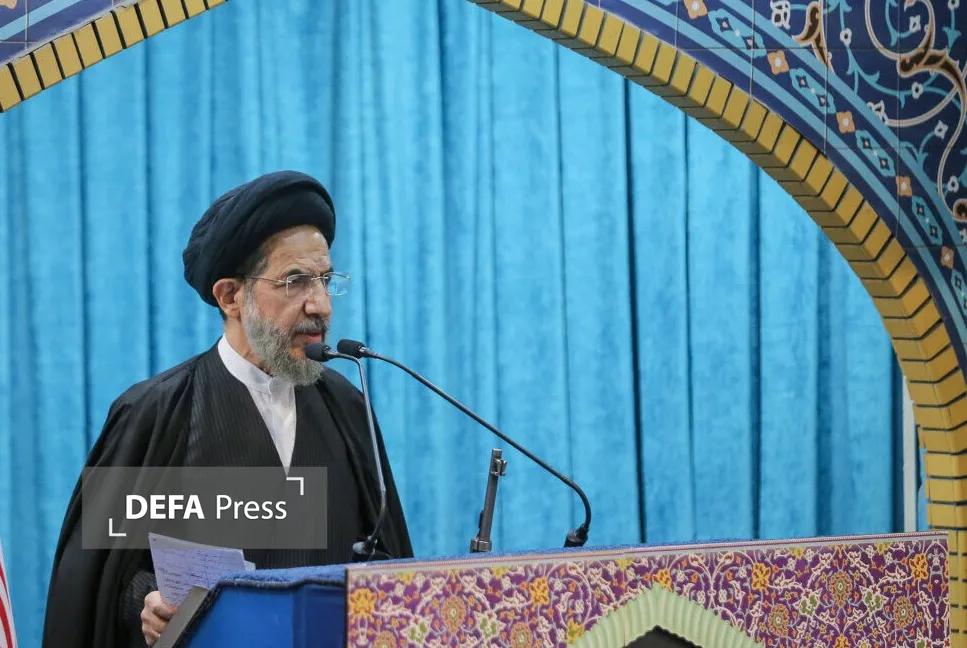
In Tehran, interim Friday Imam Hojjat-ol-Islam Mohammad-Hassan Abutarabifard used a sermon to argue that “the military forces’ power shifted the balance of power in favor of Iran.” Abutarabifard said the “fires of missiles and drones of the Army and IRGC” and the “power of the defense and air defense forces of the Armed Forces managed to extinguish the impressive superiority of modern weapons of the two nuclear powers.”
He also linked Iran’s rise to sanctions and U.S. military aggression, saying “the sanctions and the U.S. military aggression that sought to humiliate, surrender, and dismantle Iran and destroy its infrastructure have turned into a springboard for Iran’s rise.” In the same sermon, he praised national unity, saying “the Iranian nation, despite pain and damage, stood beside the Armed Forces.”
Deterrence, centers of power
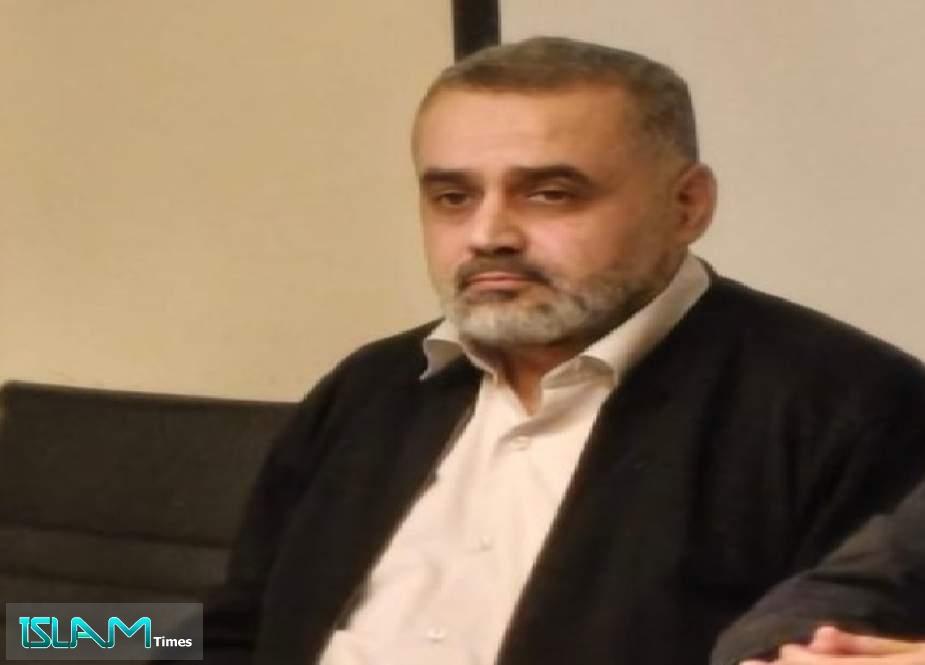
In an interview with Islam Times, Abu Al-Ghazlan argued that Iran’s ability to maintain the cohesion of its institutions and rebuild capabilities showed “the limits of the United States’ and Israel’s ability to transform military superiority into political decisive action.” He said the war “has reshaped deterrence equations in the region” and that the axis of resistance “has not ended, but has begun redistributing its centers of power and roles.”
Abu Al-Ghazlan described U.S. objectives as shifting from “toppling the Iranian regime” to focusing on specific files such as “the nuclear program, missiles, naval capabilities, and the ability to support allies and threaten navigation in the Strait of Hormuz.” He framed the strategic question as whether the war changed Iran’s behavior, arguing that if “the Islamic Republic does not fall” and does not abandon its nuclear and missile program, then “talking about full strategic success would be exaggerated.”
Hezbollah credits Iran’s role
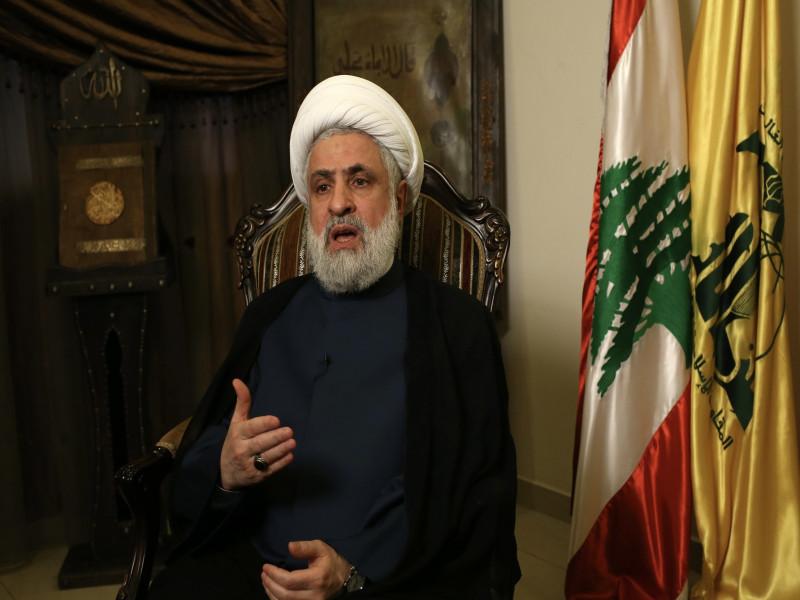
At the opening of the central Ashura council at the shrine of Sayyid Hassan Nasrallah, Sheikh Naim Qassem said the Islamic Resistance “has managed to foil what he described as the Israeli project in Lebanon.” Qassem said the Resistance “destroyed more than 500 Israeli military vehicles and shot down 12 drones,” and he added that “the announced Israeli losses exceeded 1,200 soldiers.”
He argued that the American project toward Iran suffered a setback, calling for taking advantage of the current phase “after the latest agreement, based on what he described as the position of strength Iran enjoys and the axis of resistance.” Qassem also said Israel seeks to weaken Lebanon to impose dominance and that its project aims to end Hezbollah “militarily, politically, culturally, and socially,” while asserting that Hezbollah “does not defend only the land, but Lebanon and its future.”