USAupdated 24m ago3 min read
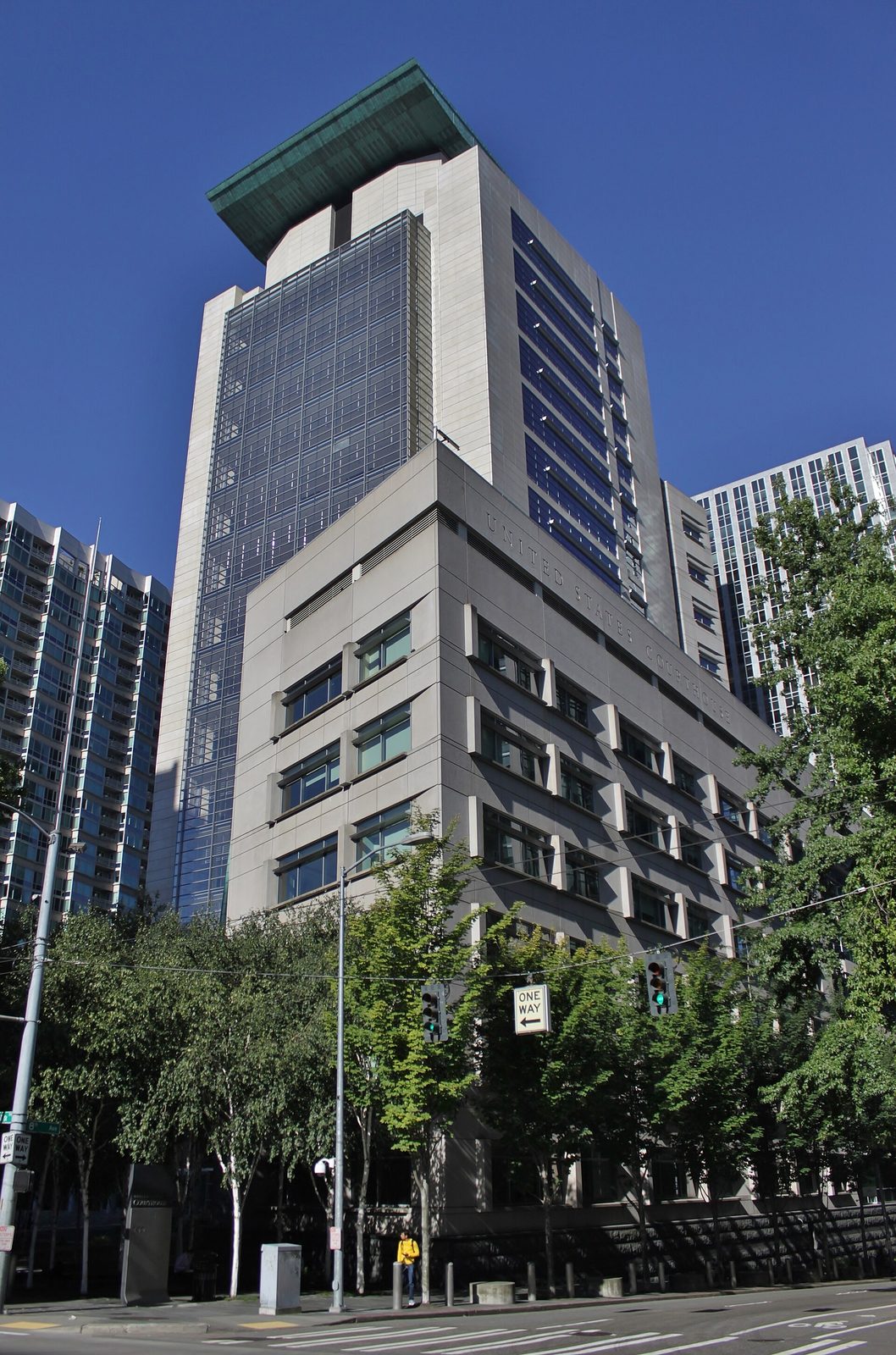
Archive photo · 15 September 2016Acting U.S. Attorney Charles Floyd Says Seattle Lacks Resources for ICE Detention Habeas Cases
“The change in policy captures an admission by the Trump administration”
“Faced with an influx of petitions”
Photo: SounderBruce, CC BY-SA 2.0 · Cropped for layout
This article is an automated aggregation of coverage from news outlets. Our editorials offer in-depth analysis curated by the NewsCord team.
Western District of Washington prosecutors will not oppose many ICE detention petitions due to resources. Thousands of detainees have challenged detention, forcing DOJ to respond in many cases.
Save coverage image
DOJ shifts in Washington
Acting U.S. Attorney Charles Floyd wrote to Chief U.S. District Judge David Estudillo that the U.S. Attorney’s Office in Seattle lacks the resources to keep defending every immigrant detention habeas corpus case, describing “protracted litigation” that “consumes substantial AUSA time.”
Floyd told the court that “The USAO unfortunately does not have the available resources, at this juncture, to continue entering AUSA appearances in every one of the dozens of [habeas petitions] filed each week,” and he said the policy would leave more cases to be decided without government opposition.
Nearly 100,000 immigration-related habeas cases had been filed in federal district courts since January 2025, and ProPublica data showed the Western District of Washington had about 2,000 of those cases as of earlier this month.
The shift also included a letter encouraging the court to “directly” email an ICE detention facility in Tacoma, Washington, when an immigrant housed there is to be released.
The Western District of Washington was “effectively removing itself from arguing the cases in court,” while the Department of Justice also had to follow up in court even after judges ruled for release.
Judges rule when unopposed
Federal district judge Kymberly Evanson wrote in one habeas case that “The Government has full access to the relevant facts concerning Petitioner’s detention, yet it has offered no factual or legal basis to rebut his petition.”
Evanson added that “The Government’s failure to oppose the petition constitutes forfeiture of the arguments it could have made,” as CNN described judges releasing many detained immigrants who file habeas cases.
NOTUS reported that Floyd’s policy would allow courts to “assume” his office would not challenge a detainee if a government lawyer did not appear within seven court days of a scheduling order.
NOTUS said the policy played out in a case involving Baljit Singh, where U.S. District Judge Tiffany M. Cartwright ruled the matter “intentionally unopposed” and ordered Singh be released within 24 hours.
FOX 13 Seattle said Floyd told the court that habeas corpus cases initiate “protracted litigation” with numerous hearings, briefings and motions that consume prosecutors’ resources.
Broader legal and political stakes
The case surge followed a Trump administration policy change in the second term, where detained immigrants would have to file habeas corpus petitions to seek release from ICE detention rather than having immediate resources through the immigration system.
Mark Fleming, director of policy at the National Immigrant Justice Center, said “Because of the Trump administration’s unlawful detention policies, the federal district courts have been inundated with thousands of habeas petitions over the last two years.”
The U.S. Attorney’s Office for the Western District of Washington would let judges rule on “many” detention petitions without government opposition, and it cited Floyd’s letter for the rationale that the surge “severely impacted the government’s ability to respond.”
The U.S. Supreme Court in October agreed to review a Trump administration policy denying bond hearings for certain immigrants, and it said the plaintiffs are immigrants represented by the American Civil Liberties Union (ACLU).
The Supreme Court question of the economic accessibility of legal counsel for immigrant detainees is also before the Supreme Court this year, while it described Floyd as a former immigration judge who advocated for prohibiting immigration courts from granting bond to detainees.