Full story
Aid as fighting escalates
Action Against Hunger says that in Lebanon it has “immediately deployed its emergency response mechanisms and conducted rapid assessments to identify priority needs” as mass displacement generates “significant humanitarian needs across the country, particularly in Beirut and Mount Lebanon.”
“For civilian populations, the ongoing fighting is fueling deep concerns, particularly among families already displaced or refugees, who fear that new violence will further degrade their already precarious living conditions”
The organization reports that “Many collective centers are already operating beyond their capacity,” while some families live “outside formal shelter systems, taking refuge in vehicles or makeshift spaces.”

It says immediate priorities include “shelter, access to basic services, food assistance, and emergency medical care,” and that teams have launched a multisectoral response for displaced people housed in collective centers across nine governorates.
Action Against Hunger adds that its response includes providing drinking water, establishing sanitation services, and distributing essential items, with emergency nutrition care for children under five as well as pregnant and breastfeeding women.
The group also says it is preparing to strengthen emergency services at three additional hospitals in Saida, in Western Beqaa, and in Hermel.
Beirut fears wider strikes
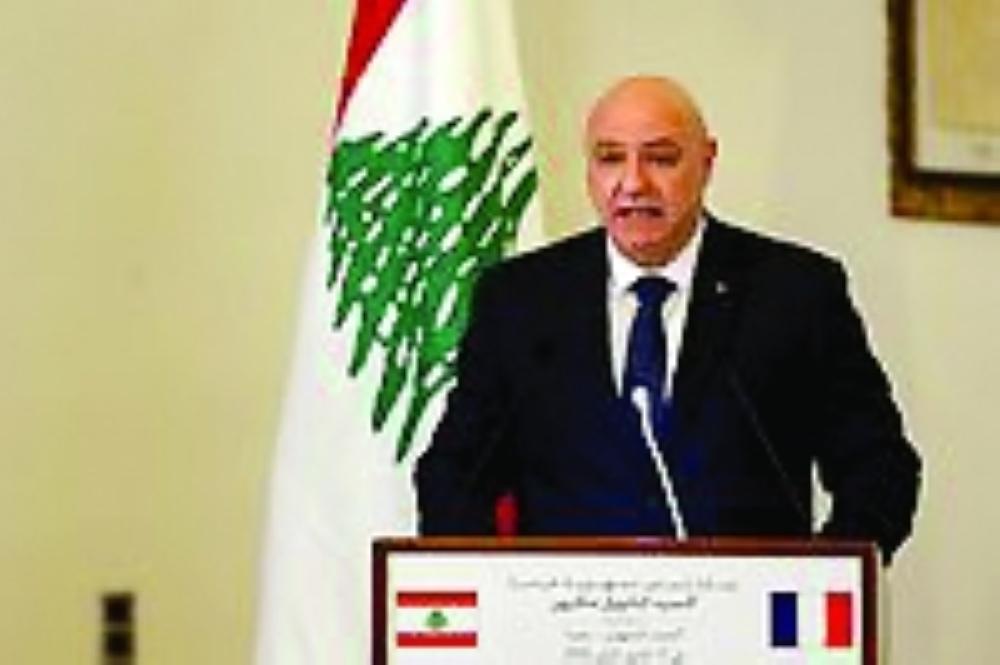
Lebanon’s Foreign Minister Youssef Raggi told several media outlets, including AFP, in Geneva that “There are signals indicating that the Israelis could strike very hard in case of escalation, including potentially strategic infrastructure such as the airport.”
Raggi also said, “We are currently pursuing diplomatic steps to request that, even in retaliation, Lebanese civilian infrastructure not be targeted,” and he added on the margins of a session of the United Nations Human Rights Council, “This war does not concern us.”

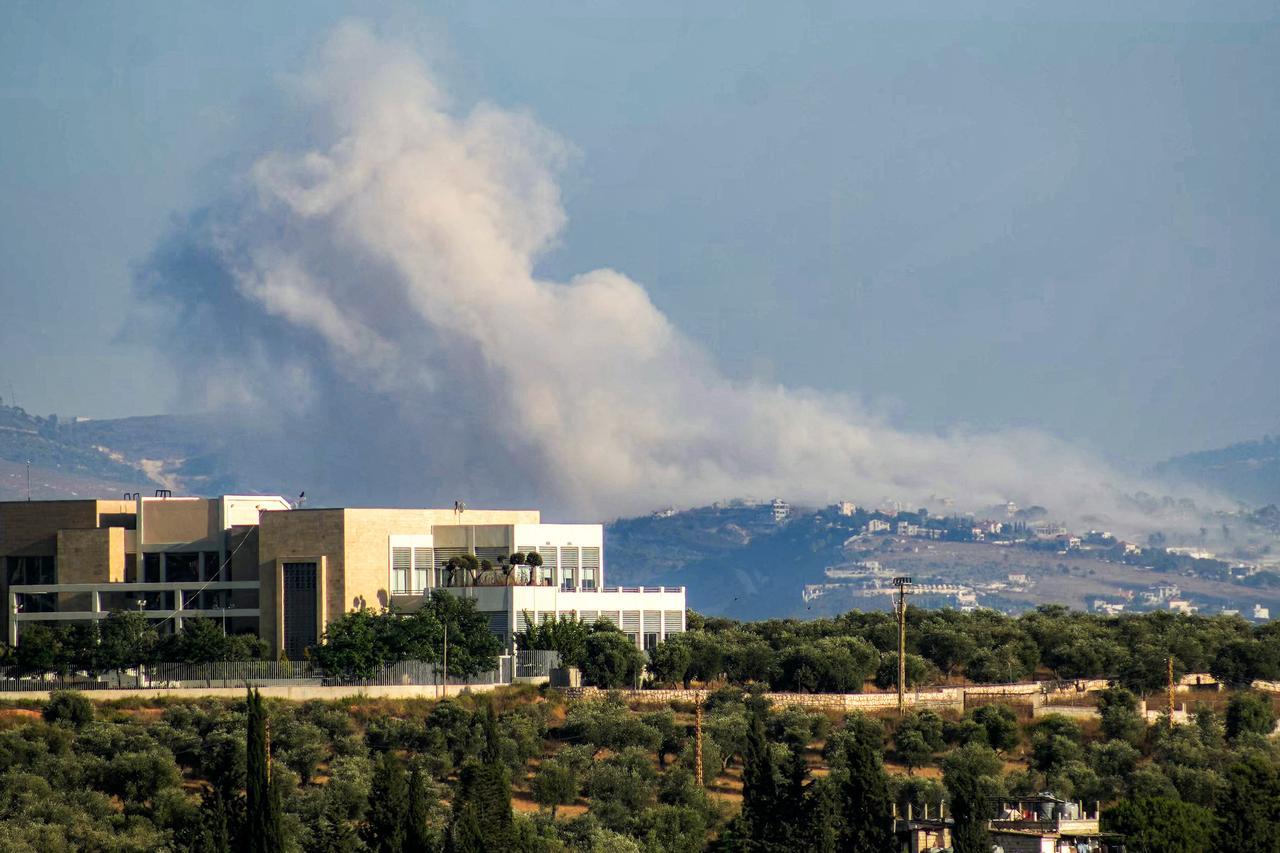
The BFM report says Lebanon’s army accused Israel of targeting a sector of a military position in the south near the border and said it had given the order to retaliate.
It further states that on X, Raggi said he hoped that the pro-Iranian Hezbollah would refrain “from taking part in any new adventure and spare Lebanon further destruction.”
The same report says President Donald Trump “threatens to strike Iran if the current talks fail,” while Tehran warned that any strike by the United States would push it to retaliate “with ferocity.”
Food crisis and displacement risk
Al-Kata'ib says Lebanon faces a food insecurity crisis in which “1.24 million people in Lebanon would be classified, in the period between April and August, as those who will suffer from a "food crisis" extending to the possibility of entering a "food emergency".”
It adds that “more than a quarter of Lebanon's population is threatened with a severe food shortage,” linking the latest war to pressures including “the closure of the Strait of Hormuz and the oil shock.”
The outlet reports that food prices rose by about 5.7 percent over two months from late February to late April, and that the cost of the minimum food basket rose by 6 percent in March alone.
It also says poverty rose more than threefold over the past decade in Lebanon, reaching 44 percent of the population in 2022, and that World Bank figures show food insecurity declined from 24 percent in late 2024 to about 13 percent in early 2026.
Action Against Hunger meanwhile warns that in Lebanon “Mass displacement is generating significant humanitarian needs,” including in Beirut and Mount Lebanon, where collective centers are already operating beyond capacity.