Crypto12 July, 20262 min read
Adam Back and Michael Saylor Oppose BIP-110, Warning It Could Fracture Bitcoin Consensus
This article is an automated aggregation of coverage from news outlets. Our editorials offer in-depth analysis curated by the NewsCord team.
Back and Saylor oppose BIP-110, warn of potential fork and consensus fracture. BIP-110 would permit transaction filtering to curb Ordinals inscriptions.
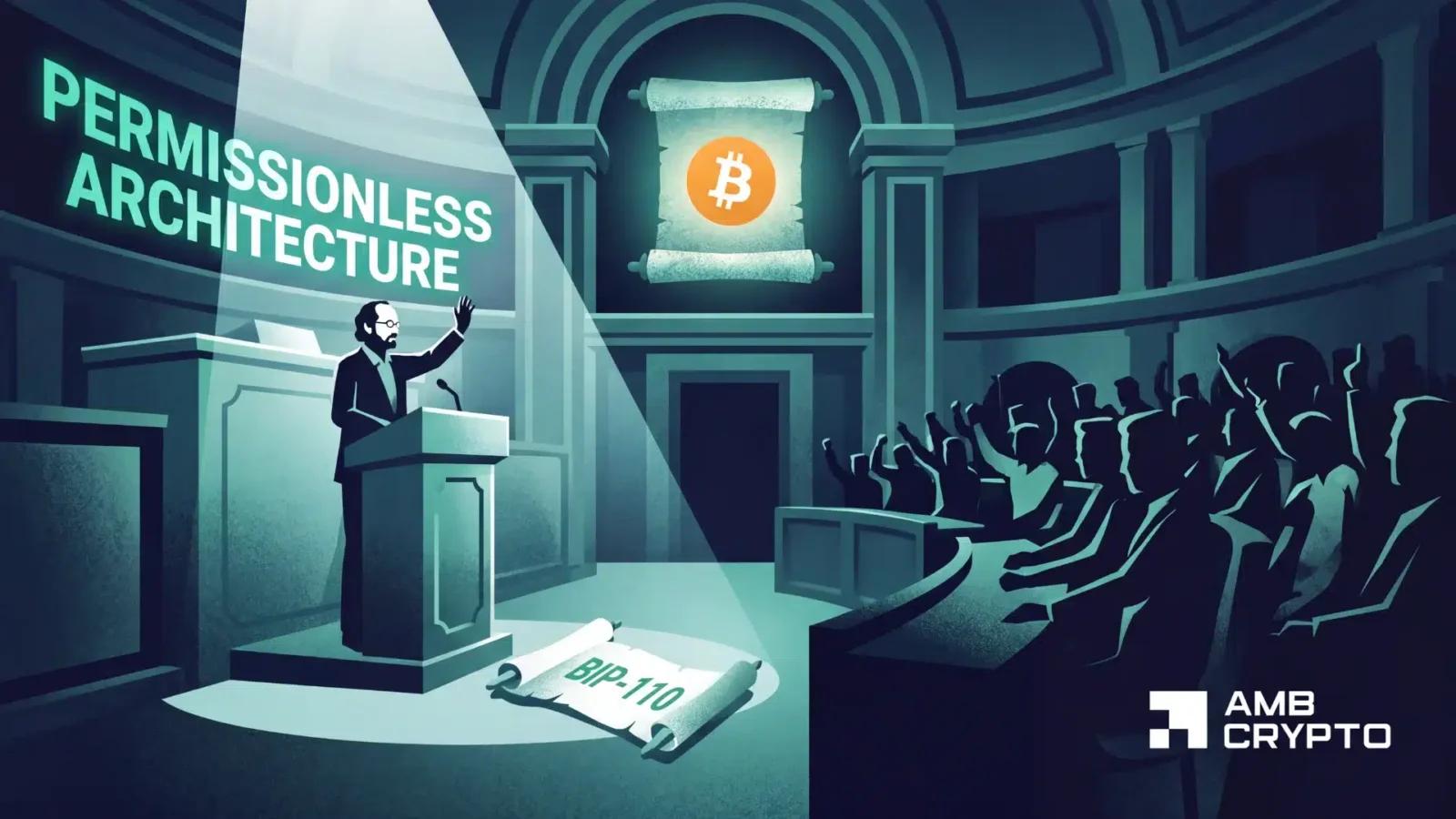
BIP-110 sparks backlash
Bitcoin’s BIP-110 soft fork proposal is back in the news as Blockstream CEO Adam Back and Strategy founder Michael Saylor oppose it, warning it could fracture Bitcoin consensus and trigger a contentious fork. Back said the plan attempts to police transactions that other users choose to send, arguing it conflicts with Bitcoin’s decentralized and permissionless design.
Saylor said the proposal “turns a spam dispute into a consensus change” that would reject some transactions that Bitcoin currently accepts. The dispute centers on BIP-110’s intent to curb inscription, Ordinals and BRC-20 spam, while Back argues Bitcoin already addresses spam through transaction fees, miner incentives, and decentralized consensus rather than restrictive rules.
Numbers, timing, and support
The reporting ties BIP-110’s fate to miner signaling and a specific activation threshold, saying miners can lock it in by signaling support in 1,109 of 2,016 blocks, equal to 55%.
Cointelegraph said that in the last period, period number 475 between block 955,584 and 957,599, only 1% of blocks were in support.
Cointelegraph also reported that Ordinals activity is at near all-time lows, with fewer than 10,000 Ordinals inscribed into the Bitcoin blockchain on a daily basis over the last month, down from more than 400,000 a day at the peak in August 2023.
Back’s opposition is framed as both philosophical and practical, with one report quoting him: “The BIP-110 constitutes a truly deliberate regression. It breaks the user space.”
What’s at stake next
Opponents warn that if BIP-110 proceeds without broad agreement, nodes enforcing it could follow a minority chain while other nodes continue accepting existing transaction rules, forcing exchanges, custodians, and miners to choose sides. Crypto News | Other describes an August planning window for exchanges, wallets, miners, and node operators as they decide which software and rules they will support before the mandatory signaling period.
Back and Saylor also argue that even if the proposal is temporary, it could still undermine Bitcoin’s trustworthiness by rejecting transactions that Bitcoin currently accepts. Supporters like Luke Dashjr continue to back the proposal, with one report quoting him: “It’s too late to cancel BIP110.”