Europe · 07 September, 2026 · 3 min read
AfD Wins Saxony-Anhalt Election With 43.8% as Friedrich Merz Accuses It of Ethnic Cleansing
AfD wins Saxony-Anhalt with about 44%, its best far-right result since WWII. No outright majority; coalition talks with BSW or others expected.
Whether focus is on communal risk or governance breakthrough.
5 of 6 outlets skipped it: israeli officials warned the result could threaten Jewish life in Germany.
335outlets compared
Same story, two versions
tap a side to read it in full
Algemeiner
“The AfD’s historic victory in Saxony-Anhalt has sent shockwaves through the country’s Jewish community”Read the original ↗
AP News
“but it wasn’t immediately clear whether it would be able to fulfill its ambition of forming the country’s first far-right state government since World War II.”Read the original ↗
Algemeiner spotlights threats to Jewish life, while Al Jazeera and AP focus on the political breakthrough and coalition arithmetic.
AfD wins Saxony-Anhalt
The far-right Alternative for Germany (AfD) won the regional election in Saxony-Anhalt, taking 43.8% of the vote and 39 seats out of 83, leaving it three short of the 42-seat absolute majority needed to govern.
“With 43.8% of the votes and 39 seats out of 83, the AfD has won the election in Saxony-Anhalt”
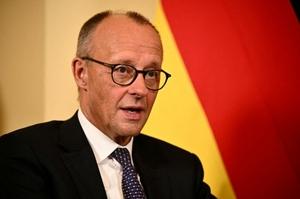
Chancellor Friedrich Merz accused the AfD of promoting a “ethnic cleansing,” and he warned that if foreign workers had to leave, sectors such as “craftsmanship,” “care facilities,” or “restaurants” could no longer operate.
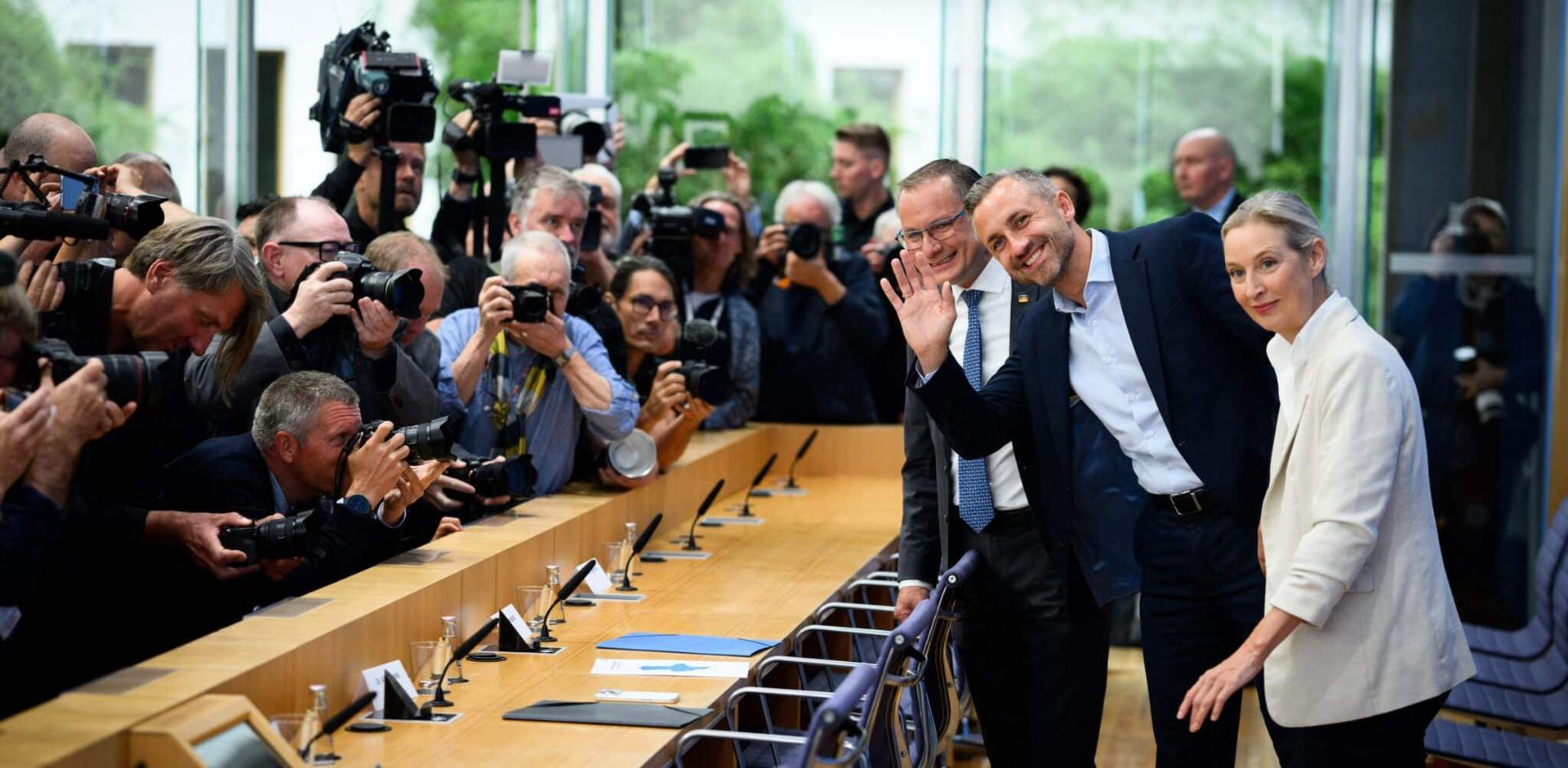
AfD lead candidate Ulrich Siegmund said, “We have made history in this state,” after exit polls projected the party would win as many as 39 seats in the state parliament.
The result also triggered a diplomatic scheduling change, with Berlin postponing a telephone interview planned for the same day between the German head of government and U.S. President Donald Trump.
In Magdeburg, protesters gathered after the vote, while the CDU had governed the state since 2002 and saw its vote share collapse to 18.5% in exit polls cited by the Australian Broadcasting Corporation.
Merz, Trump, and reactions
After the election, Merz sought to minimize its significance in the Bundestag, saying the AfD’s “remigration” rhetoric was “nothing more than the synonym of ethnic cleansing based on origin and skin color.”
The political response also extended across the Atlantic, with Donald Trump praising the AfD’s victory on Truth Social as “a really big night,” and attributing it to voters’ rejection of immigration policies.
German coordinator for transatlantic relations Metin Hakverdi reacted to Trump’s praise by saying, “We, the Germans, decide for ourselves how we manage immigration, as well as for whom we vote.”
In Saxony-Anhalt, AfD co-leader Alice Weidel hailed a “historic” result, while Al Jazeera’s Dominic Kane reported that the key question was whether the AfD’s vote share was enough to control the state.
The election outcome also drew warnings from France, where Finance Minister Roland Lescure told RTL radio that the AfD victory sends a “very, very worrying signal” to Europe.
Europe stakes and next steps
With the AfD projected to secure 39 seats in the 83-seat parliament in Magdeburg, the party fell short of the 42 seats needed for an absolute majority, leaving coalition arithmetic and coalition refusals central to what comes next.
“the AfD has never participated in a governing coalition in Germany’s 16 states”
Al Jazeera reported that the AfD has never participated in a governing coalition in Germany’s 16 states, nor in its federal government, as all other mainstream parties refuse to work with it under the “firewall.”
The international reaction framed the vote as a European challenge, with France’s European Affairs Minister Benjamin Haddad calling it “a very grave moment for Europe” and saying “nationalism and xenophobia will never be the answer.”
In Germany, the result was also described as a blow to Merz’s authority, and incumbent state premier Sven Schulze said, “We’re going to have to live with this result,” while also saying he did not intend to cooperate with the AfD.
Outside Germany, Spain’s far-right Vox leader Santiago Abascal congratulated Alice Weidel and Ulrich Siegmund on X, writing, “Congratulations, Alice Weidel and Ulrich Siegmund, on this spectacular result, which represents great hope for Germany and Europe,” as the election’s implications for Europe’s political direction came into focus.