Syria28 August, 20263 min read
Ahmed Al Sharaa Makes First Visa Payment in Damascus After U.S. Lifts Terror Designation
This article is an automated aggregation of coverage from news outlets. Our editorials offer in-depth analysis curated by the NewsCord team.
President Ahmed al-Sharaa made Damascus' first Visa payment, signaling Syria's reintegration into global finance. Visa and Mastercard processing Syria card transactions after Damascus was removed from terror sponsors list.
5 outlets told this the same way.
Outlets did split on Asad Al-Shaibani Meets Saddam Haftar in Benghazi Over Syrian Consulate And Missing Syrians →
Visa payment in Damascus
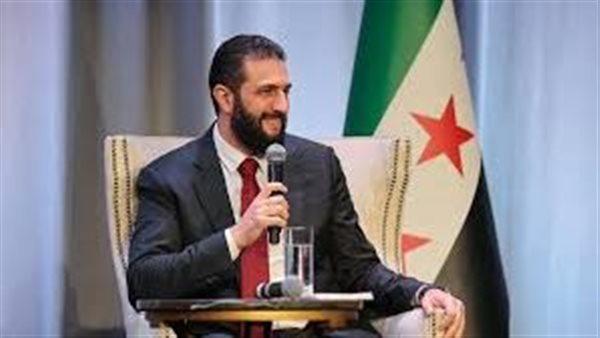
Syrian President Ahmed al Sharaa made his first electronic payment with a Visa card in Damascus, a move Syrian official media presented as a new sign of the country’s return to the global financial system after its removal from the U.S. list of state sponsors of terrorism. The report said Al Sharaa was accompanied by Central Bank governor Safwat Raslan during the Visa payment, with official coverage showing both seated at what appeared to be a restaurant while paying by card. The same coverage described Raslan completing the first Mastercard payment transaction after technical procedures to reconnect the Syrian payments system to the global network were finished.
The U.S. decision to remove Syria from the terrorism list was described as a “decision historical” by Al Sharaa, and the article tied the step to a broader easing of sanctions after Bashar al Asad was toppled in December 2024. The article also said Washington informed about the elimination of Hayat Tahrir al Sham (HTS) as a “organización terrorista global,” whose ex-leader is Al Sharaa.
Coffee transaction and partners
A separate report said the return of banks to Syria was made official this Thursday in Damascus after the lifting of international financial sanctions imposed by the United States, and it described Al Sharaa’s symbolic Visa card purchase of a coffee in the capital. That account said the governor of the Central Bank of Syria, Mohammed Safwat Raslan, described the event as a historic step for economic recovery, and it said the international processors Visa and Mastercard had restored operating connections on Syrian soil. It further stated that the first international card operations in Syria in more than fifteen years were announced this week, and it named QNB Syria as the processor for Mastercard’s first transaction.
The same report said Visa worked with the Lebanese Fransabank and the Paymera company to launch the service, while also describing that the rollout would be gradual and not all cards would work across the country. In the same narrative, a Syrian official social media account commented wryly while sharing the video: “Will you pay cash or with a credit card, Your Excellency?”

U.S. removal and next steps
Haaretz reported that Visa and Mastercard carried out their first international card transactions in Syria on Wednesday, framing the move as a major step in reconnecting the country with global payment networks days after Washington removed it from its state sponsors of terrorism list. The same Reuters-based framing in Haaretz tied the timing directly to the U.S. action, while the broader coverage in other sources described the removal as announced after a period of legal review and as part of Syria’s reintegration into global finance. The Infobae report said the U.S. decision was announced by the secretary of State, Marco Rubio, and it connected the change to the restoration of financial operations after almost fifteen years of isolation due to sanctions.
The other accounts described practical implications for payments and banking services, including the ability to process cross-border transactions and payments with debit and credit cards after decades of financial isolation. Together, the sources depict a shift in Syria’s financial posture that begins with card payments and is presented as enabling further normalization of banking services and international transactions.