Tourism11 January, 20262 min read
Airlines Cancel Flights, Strand Thousands of Tourists in Lapland as Arctic Blast Plunges Temperatures to -37°C
This article is an automated aggregation of coverage from news outlets. Our editorials offer in-depth analysis curated by the NewsCord team.
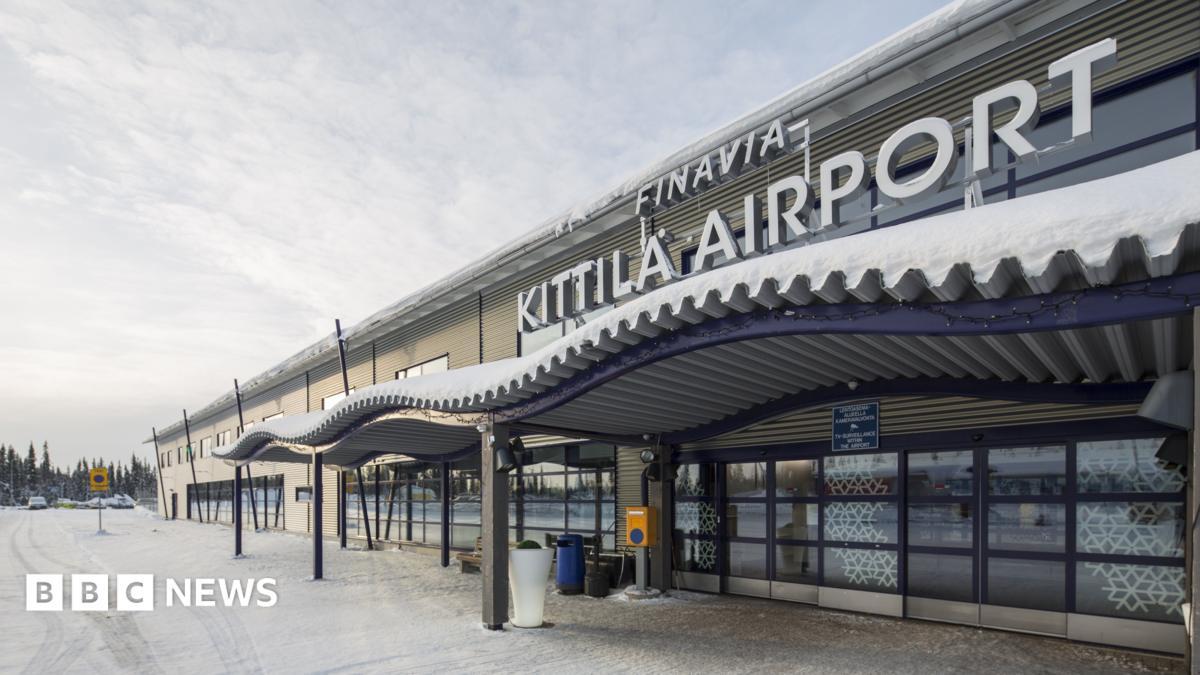
Kittilä Airport cancelled all departures, grounding flights to London, Bristol, Manchester, Paris and Amsterdam Temperatures at Kittilä reached about −37°C, preventing aircraft de‑icing and ground operations

7 outlets told this the same way.
Outlets did split on Houthis Strike Riyadh’s King Khalid International Airport, Injuring Terminal 3 and 4 →
Lapland flight cancellations
An Arctic blast has plunged parts of Finnish Lapland into extreme cold, grounding flights and leaving thousands of tourists stranded after departures from Kittilä airport were cancelled. Multiple outlets report that flights to London, Bristol, Manchester, Paris and Amsterdam were affected when departures were called off on Sunday 11 January.
“Departures from Kittilä Airport were cancelled on Sunday 11 January, affecting thousands bound for cities including London, Bristol, Manchester, Paris and Amsterdam.”
Many of the stranded visitors were bound for nearby ski resorts and Northern Lights trips. Sources consistently describe the scale of disruption as affecting thousands of travellers and forcing cancellations at Kittilä and at least one flight at Rovaniemi.
Kittilä extreme cold readings
Temperatures at and around Kittilä were reported in a narrow band of extreme cold, with most outlets citing measurements around −35°C to −37°C. Meteorologists forecast lows close to −39°C or even approaching −40°C. The BBC reports temperatures “around −35°C” with forecasts for “lows near −39°C.”
Southend Echo and AP News provide slightly colder reported readings of −37°C and forecasts “nearly −40°C” or “approach −40°C.” Tabloids also give sharp headline numbers, saying temperatures have “hit about −35°C” and are “expected to drop to around −39°C.”
Cold weather airport disruptions
Extreme cold has hampered routine ground operations, notably de-icing, refuelling and maintenance. The BBC warns equipment can be affected when it freezes. AP News and the Southend Echo report that de-icing and other ground tasks have become difficult or more complicated because of the cold.
“Extreme cold hampers de-icing and can freeze ground maintenance and refuelling equipment, preventing normal operations.”
Those constraints are presented as the proximate cause of cancelled departures. Tabloid snippets focus more on passenger impact and do not explain the technical reasons as thoroughly as mainstream outlets.
Kittilä as winter gateway
Kittilä’s role as a gateway for winter tourism is described differently across news sources. Daily Express states that Kittilä mainly serves nearby ski resorts and Northern Lights tourists and notes Rovaniemi as the usual gateway for visitors to 'Santa’s' Lapland.
Southend Echo describes Kittilä as being in sparsely populated Finnish Lapland and situates the cold within several days of unusually severe conditions affecting wide areas. AP News frames the event as part of an unusually severe cold snap across northern, central and eastern Europe and reports that Finns regard this season as harsher than usual.

Cold-related travel disruptions
The immediate and ongoing consequence is continued disruption. Several outlets warn disruptions may continue because meteorological forecasts called for further temperature drops. The first planned post-cancellation flight had already been called off.
“Departures from Kittilä Airport were cancelled on Sunday 11 January, affecting thousands bound for cities including London, Bristol, Manchester, Paris and Amsterdam.”
The Daily Express warns disruptions may continue. The BBC notes that the first planned flight has already been called off. AP and the Southend Echo report that the cold affected wide areas and complicated recovery of normal operations.

Across the coverage, there is agreement that extreme temperatures and their operational effects are the proximate cause of cancellations. Sources differ in emphasis about who is foregrounded — British tourists, general tourists, or regional impact — and in the level of technical detail they provide.