Syria23 July, 20263 min read
Alouk Water Station Resumes Operations, Restoring Drinking Water To Over 500,000 In Hasakah
This article is an automated aggregation of coverage from news outlets. Our editorials offer in-depth analysis curated by the NewsCord team.
Alouk water station resumed operations after about seven years offline. Official reopening attended by Energy Minister Mohammad al-Bashir and Hasakah Governor Nour al-Din Ahmad.
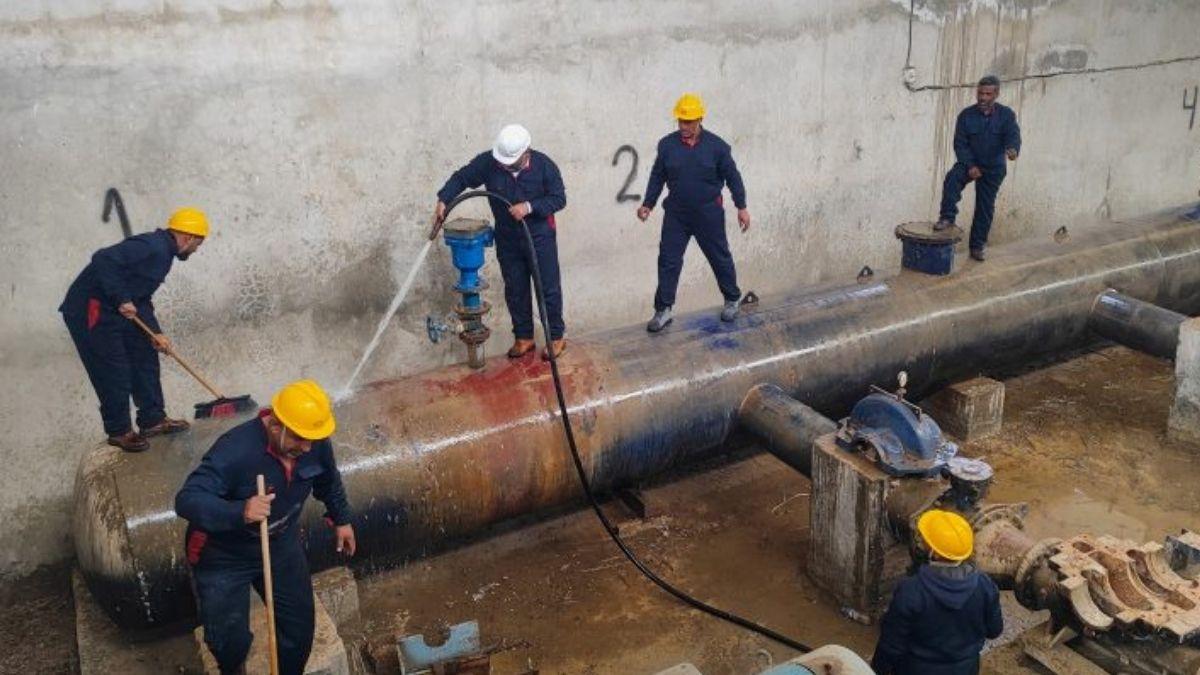
Alouk station restarts
Syria’s Alouk water station in the country’s northeast resumed operations on Wednesday after nearly seven years of disruption, restoring drinking water supplies to more than 500,000 people in Hasakah province, the Ministry of Energy said. Energy Minister Mohammad al-Bashir and Hasakah Governor Nour al-Din Ahmad attended the official reopening, where water pumping to the distribution network began. SANA said the station is the main source of drinking water for Hasakah city, Tal Tamr, western rural Hasakah and parts of the surrounding countryside, with the station operating at an initial capacity of more than 50% and 19 of its 34 wells and six of its 12 horizontal pumps currently in service.
SANA added that maintenance and rehabilitation work will continue through the end of the year to restore the station to full operating capacity, including repairing secondary pumping networks and infrastructure at the Aziziyah pumping station in Hasakah. Residents welcomed the return of running water after years of relying on privately supplied water tankers, which they said were expensive and often failed to provide adequately treated drinking water.

Pilot pumping reveals faults
After the pilot pumping operation from the Alouk station toward the city of Hasakah, عنب بلدي reported wide technical challenges in the water network, with field tests uncovering fractures and faults in main and branch lines that could delay regular water distribution. The Water and Sewerage Authority confirmed it was working to address the faults and establish a distribution program that adapts to the network’s reality, while residents called for urgent repairs and a fair pumping schedule that compensates for years of prolonged outages. عنب بلدي said the Hasakeh Governorate's General Company for Water began pilot pumping on Wednesday, July 22, following the station's inauguration by Energy Minister Mohammed Al-Bashir accompanied by a government delegation.
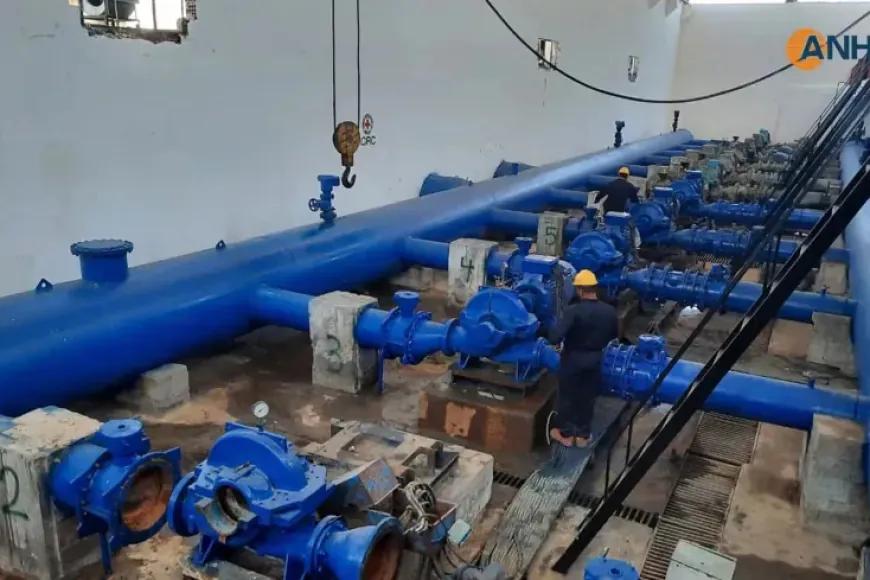
The outlet reported that city residents circulated photos and video recordings documenting faults and water leaks at several points, calling for speeding up repairs and holding those responsible to account. Farhan Al-Awis, director of the Water and Sewerage Authority for Hasakah Governorate, said the station relies on 34 wells in the village of Alouk, 19 of which are currently in operation, and that the Authority is carrying out maintenance on all pumps through the end of this year.
Rehabilitation and next steps
The resumption of Alouk’s pumping is described by Al-Jazeera Net as the Ministry of Energy’s actual start of operation to supply the region with drinking water after a seven-year shutdown, with water reaching more than 500,000 people in the governorate gradually. Al-Jazeera Net quoted Farhan Al-Awis as saying the work included rehabilitating the submerged pumping units in the wells and horizontal pumps, and repairing leaks and encroachments on the main feed line until water reaches the Al-Hamah station, in cooperation with the Syrian Arab Red Crescent and the International Red Cross. SANA said Energy Minister al-Bashir officially launched the station’s trial operations earlier on Wednesday, saying it had resumed production at more than half of its design capacity with remaining rehabilitation work to be completed in stages until the facility reaches full output.
Al-Jazeera Net added that the Ministry of Energy, in a Facebook post, indicated it had succeeded in cooperation with the International Committee of the Red Cross in rehabilitating the section responsible for current operation, while it expected to continue cooperation with UNICEF to rehabilitate the remaining portion to reach full production capacity. The stakes are immediate for Hasakah’s residents, since SANA said the station’s return ends reliance on privately supplied water tankers, while Al-Jazeera Net framed the restart as ending the suffering of about half a million citizens in the city of Hasakeh and its western countryside, Tel Tamr district and the surrounding rural areas.