Iran03 April, 20261 min read
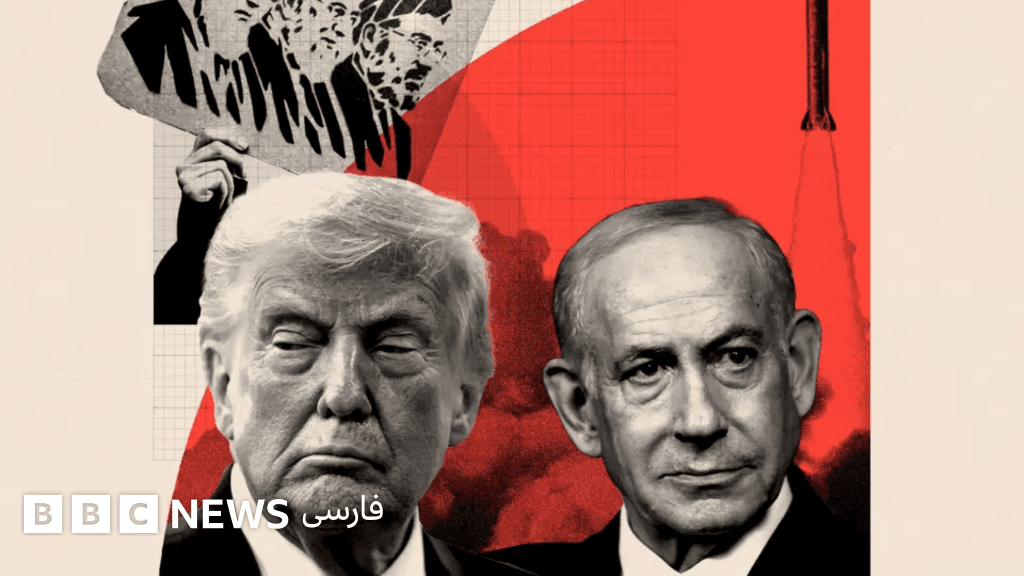
American Public Turns Against Iran War as Poll Shows 56% View Strikes as Israel's Interest
Trump centralized leadership in the Iran war. Critics say the war strategy is failing.

Public Opinion Shifts
American public opinion showed clear signs of shifting against the Biden administration's approach. A Middle East Institute poll found 56% believed the strikes were more in Israel's interest than America's. Among Republican voters, 43% said the war decreased their willingness to support the party led by Trump.
The poll revealed a significant generational divide on support for Israel. Speaker McCarthy convened a GOP caucus to defend Trump's war decision.

Congressional Dynamics
The poll captured the broader political turbulence in Washington. Democratic lawmakers escalated pressure on Trump. Speaker McCarthy convened a closed GOP caucus to defend Trump's decision.
The White House signaled a pivot toward increasing Israel's role in shaping Iran policy. The gulf between public sentiment and media coverage was stark.
Economic and Energy Consequences
The war's economic consequences were rippling worldwide. Oil prices surged after Iran effectively closed the Strait of Hormuz.
Texas had learned energy security is inseparable from energy diversity. Wind power supplied roughly a third of ERCOT grid electricity at certain times of year.
Religious and Ethical Tensions
The war ignited a theological debate about just war and morality. Archbishop Broglio questioned the legitimacy of America's war in Iran under Catholic teaching. He aligned himself with Pope Leo XIV, who had been urging for negotiation.