Iran24 August, 20263 min read
Scott Bessent Announces Operation Economic Outcast Sanctions Campaign Against Iran And Enablers
Scott Bessent unveiled Operation Economic Outcast, a sweeping sanctions campaign against Iran and its enablers. The plan aims to sever Iran's global revenue sources, including oil, by pressuring international actors.

15 outlets told this the same way.
The New York Times was read line by line by the Watchdog: 3.3. See the score →
Economic D-Day Sanctions
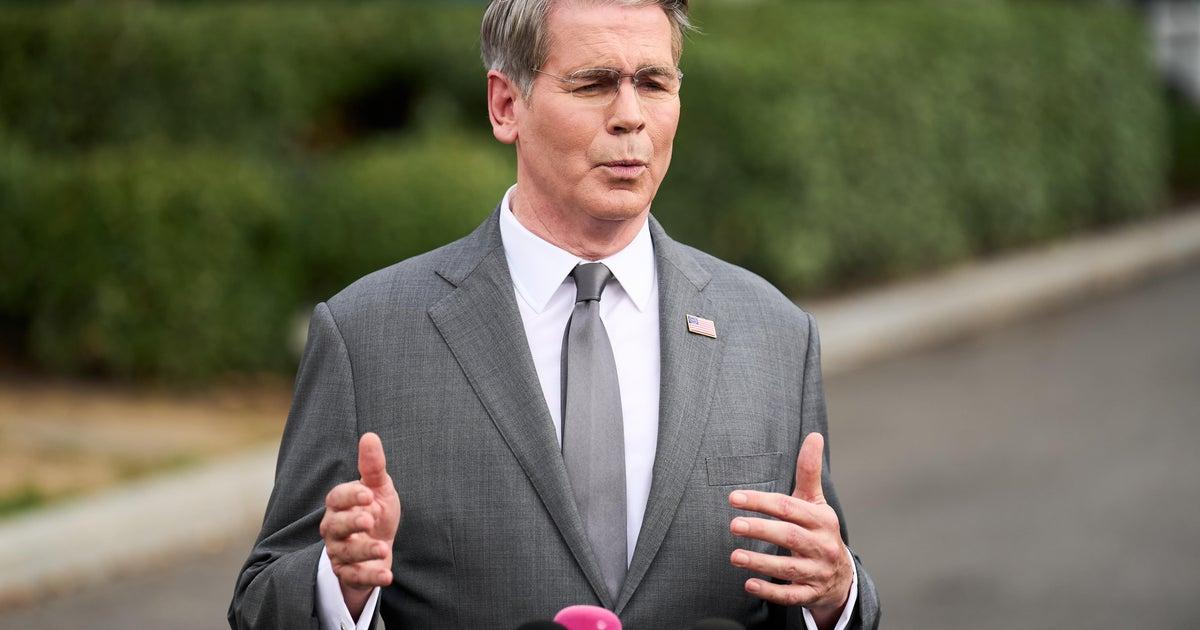
Treasury Secretary Scott Bessent on Monday announced Operation Economic Outcast, a campaign described as an “economic onslaught” against the Islamic Republic of Iran and its enablers, aimed at severing Iran’s “financial connections around the globe.” Bessent said the U.S. would expand secondary sanctions categories and introduce new sanctions across sectors including digital assets, gold, aviation, technology and shipping, while warning that any entity that facilitates money laundering on behalf of Iran “will be removed from the U.S. dollar system.” The plan also includes threatening secondary sanctions on countries and companies that keep doing business with Tehran, with Bessent saying the U.S. is making “specific requests to cease their interactions” with Iran.
Bessent framed the effort as “economic D-Day,” and said the campaign “will not end until this regime stands alone,” as the war with Iran approaches its sixth month. In parallel, Al Jazeera reported that the U.S. said it would target all of Iran’s sources of revenue, including oil, as part of the objective to prevent other countries and companies from doing business with Tehran.

No One Exempt, Timelines
Bessent told reporters that “no one is above the reach of U.S. sanctions” when asked whether Chinese banks that finance Iranian oil imports would be among those hit, and he added that if they facilitate transactions that turn Iranian oil into money “they will be targeted.” NPR reported that the administration said it was giving countries time to change their ways before major action, with Bessent saying “We are giving everyone the opportunity to remedy bad behavior.” NPR also said the Treasury Department described Monday’s sanctions as targeting “a network of brokers, companies, and shadow fleet vessels” operating across the United Arab Emirates, Hong Kong, China, Singapore, Switzerland, Europe, and other regions to transport Iranian oil and channel revenue to the Islamic Revolutionary Guard Corps-Qods Force and other regime elements.
CNN reported that Iran’s President Masoud Pezeshkian said, according to state media, “We are apologetic that these problems exist,” and he described the government seeking to steer inflation and “people’s livelihoods, people’s jobs, people’s future, and people’s lives towards dignity and pride.” CNN further quoted a Tehran resident, Nima, saying that “important things needed we can’t even get, like certain medications,” as the sanctions pressure tightened alongside disruption through the Strait of Hormuz.
Retaliation and What’s at Risk
Iran’s security chief Mohsen Rezaei said on state TV over the weekend that Iran would retaliate in a “seismic manner” to Trump’s latest attempt at economic warfare, and he warned Gulf states that countries partnering in the restrictions would be considered an enemy and a target for Iran. Rezaei told Al Jazeera that Iran would retaliate by further targeting oil tankers transiting the Persian Gulf, warning that “not even a single drop of oil will leave the region.” Al Jazeera reported that Iran’s Foreign Minister Abbas Araghchi dismissed U.S. pressure, stressing that economic sanctions against Iran are nothing new, saying “They cannot think of any other solution in confronting the great Iranian people, so they repeatedly put forward the same old plans.”
The same Al Jazeera report said the U.S. campaign did not target any major international economic institution for dealing with Iran, while also saying the U.S. imposed fresh sanctions on 60 entities, vessels and individuals across the world. In parallel, CBS News reported that Bessent said the economic pressure campaign “will not end until this regime stands alone,” and CNN said the measures come as the Trump administration seeks to increase pressure amid deadlocked talks to end the six-month war.