Business · updated 1h ago · 3 min read
American, United, and Southwest Cut Flights as Jet Fuel Prices Rise
American, United, and Southwest will cut cheaper, less-profitable flights as jet fuel rises. Jet fuel prices spike; carriers warn fourth-quarter capacity may shrink further.
How widely the cuts are expected to affect networks.
9 of 11 outlets skipped it: jet fuel crack spread volatility pressures costs beyond crude oil headlines.
13outlets compared
Same story, two versions
tap a side to read it in full
Fortune
“Southwest’s flight schedule adjustments were “very minimal” and do not affect “large scale exits of routes or airports.”Read the original ↗
ConsumerAffairs
“Fewer flights could mean higher fares, fewer nonstop choices, and less flexibility when flights are canceled or delayed.”Read the original ↗
One downplays the scale while another foregrounds consumer disruption risk.
Fuel spike reshapes schedules
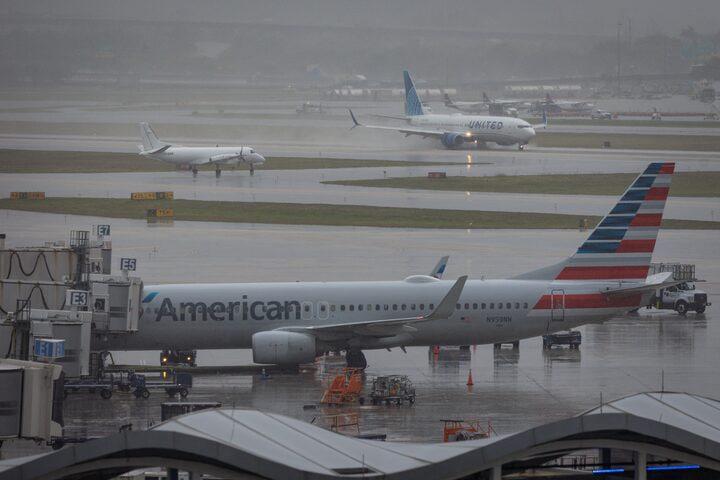
American Airlines, United Airlines, and Southwest Airlines are trimming flight schedules as jet fuel prices rise, with executives saying elevated fuel costs are forcing them to take another look at their capacity plans.
“American said the latest fuel-price increase alone could add about $1 billion to its fourth-quarter costs.”
ConsumerAffairs reported that American said the latest fuel-price increase alone could add about $1 billion to its fourth-quarter costs, and it quoted American CEO Robert Isom saying sustained high fuel prices would require adjustments to future capacity plans.C

Fortune said jet fuel climbs to $4.71 per gallon, more than double the cost a year ago and near a 20-year high, as the airlines rethink their least-profitable routes.F
Fortune also quoted American Airlines CFO Devon May saying, “You’re just going to want to pull a little capacity out when we see a rise in fuel like we’re seeing right now,” and it said the fuel spike added $1 billion to projected fourth-quarter expenses.F
In the same period, FlightGlobal said Southwest warned it may cut capacity if fuel prices remain high through the fall season, as the carriers reevaluate Q4 capacity plans.
Executives cite profitability
At Morgan Stanley’s annual Laguna Conference, Southwest CFO Tom Doxey told investors that “If fuel is higher-for-longer, I think that’s a natural response… that you trim some of that capacity off,” as CNN reported airlines expect to eliminate cheaper, less profitable flights from their schedules in the final months of the year.
CNN said United CFO Michael Leskinen told the conference that airlines aren’t seeing signs that demand is weakening, even with higher fares and fees, and it quoted Leskinen saying, “There are some routes that were on the lower end (of profitability), they get pushed into not profitable when fuel spikes like this,”.
Fortune reported that United CFO Mike Leskinen said some routes make more money than others and that “There’s some marginal routes that don’t make sense in a higher fuel environment, so we cut them,”.F
Fortune added that Leskinen said 35% of United’s fourth-quarter tickets were already booked, limiting the ability to retroactively hike prices, while he said there’s room to pass on higher fuel costs to consumers eventually.F
Fox Business reported that United CFO Michael Leskinen said some flights planned for December will no longer operate because of higher fuel prices, and it quoted him: “If fuel remains high, we’ll make some adjustments into the first quarter and beyond into 2027.”
What it means for travelers
ConsumerAffairs said fewer flights could mean higher fares, fewer nonstop choices, and less flexibility when flights are canceled or delayed, and it warned that the cuts are arriving as travelers begin making holiday plans.C
“Fewer flights could mean higher fares, fewer nonstop choices, and less flexibility when flights are canceled or delayed.”
CNN reported that the Consumer Price Index showed airfares about 25% higher year over year for June through August, and it said the cheap fares are going away as airlines cut the cheaper, less popular flights.
Fortune said the airlines aren’t necessarily eliminating entire destinations, but can reduce the number of daily flights, use different aircraft, or temporarily suspend routes where revenue isn’t high enough to justify the increased cost.F
ConsumerAffairs said the biggest effect for travelers could be ticket prices, and it described how cutting capacity removes seats from the market, making it easier for carriers to maintain higher prices rather than discount tickets to fill airplanes.C
Skift said ultra-low-cost carriers are hit particularly hard because they can’t raise fares as much to offset costs, and it quoted Jonathon Freye, the executive director of trade group Association of Value Airlines, saying, “There's clearly a sort of concern about the affordability of transportation, and I think for a lot of our customers and the big carriers, too,” as the fuel spike drives more capacity cuts and higher airfares.