Tourism10 September, 20263 min read
Angela Rayner To Give England Mayors Power To Impose Uncapped Tourist Tax On Overnight Stays
This article is an automated aggregation of coverage from news outlets. Our editorials offer in-depth analysis curated by the NewsCord team.
English mayors can impose an uncapped overnight visitor levy on accommodation. Levy charged as a percentage of accommodation cost, with no national upper limit.
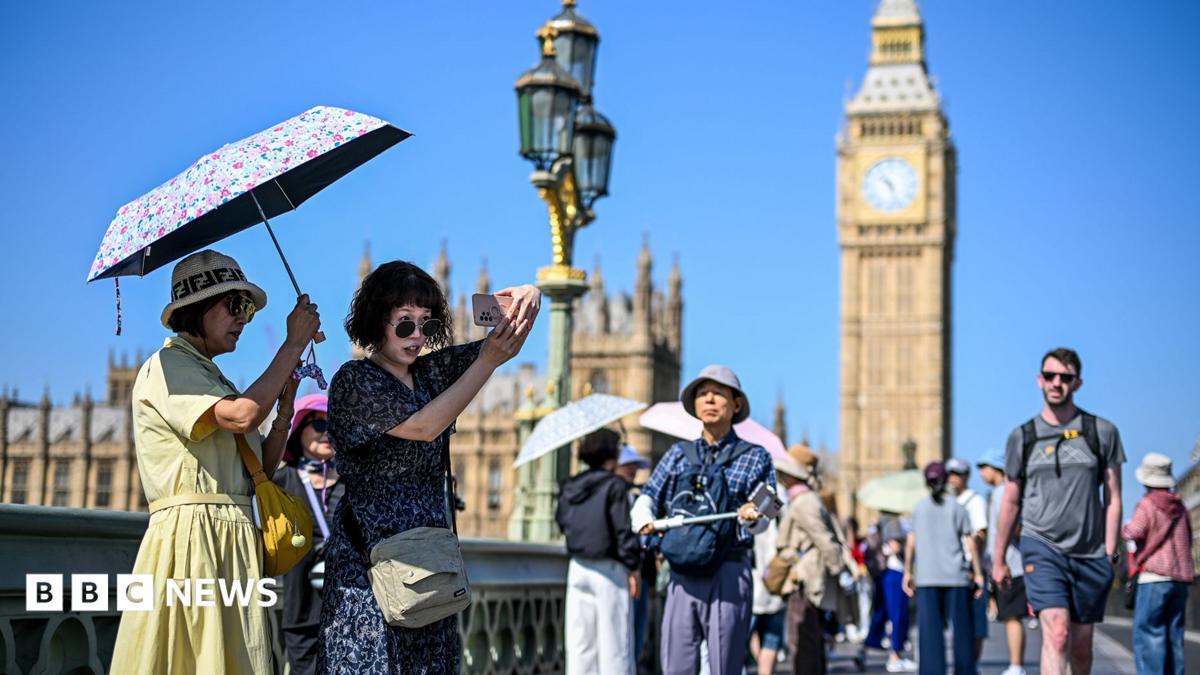
9 outlets told this the same way.
Outlets did split on Houthis Strike Riyadh’s King Khalid International Airport, Injuring Terminal 3 and 4 →
The Telegraph was read line by line by the Watchdog: 1.5. See the score →
Uncapped overnight visitor levy
England’s government plans to give mayors and other local leaders the power to impose an overnight visitor levy on tourists, charged as a percentage of the cost of accommodation with no national upper limit. The levy would apply to visitors staying in hotels, holiday lets and bed and breakfasts, and the Government expects mayors to be able to impose it by the end of the Parliament. Housing, Communities and Local Government Secretary Angela Rayner is due to give more details at a meeting with mayors at No 10 North later today, with the policy first announced under Sir Keir Starmer.
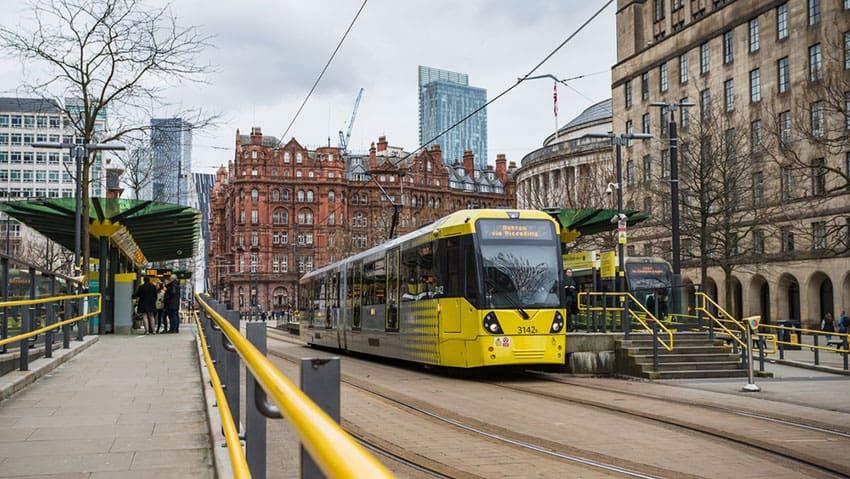
Prime Minister Andy Burnham reiterated his commitment to the policy in July as part of his wider devolution agenda, and ministers say the percentage charge is intended to protect budget holidays. In Manchester, a City Visitor Charge of £1 per room per night was introduced in April 2023, and modelling by Central London Forward estimated a 3 per cent charge could raise more than £350m a year across London.
Hospitality warns of jobs
Hospitality leaders have warned that the uncapped structure could raise the cost of holidays and put jobs at risk, with UKHospitality chief executive Allen Simpson telling BBC Radio 4’s Today programme that a tourism tax “already having damaging effects”. Simpson argued that “What we’re talking about here is an open-ended power for mayors to set tourism taxes at any level they want,” contrasting it with capped taxes in places like Paris, Rome and Berlin. Butlin’s chief executive Jon Hendry Pickup said the levy would hit hardest those who can least afford a holiday, arguing that treating every destination and hospitality business the same would leave resorts to shoulder the burden.
The BBC reported that ministers believe mayors are unlikely to make it too expensive with budget holidays protected by the fact it is not a flat fee. The BBC also said that under the plans local leaders would decide how the revenue raised should be reinvested, while a government source said “it will be up to local leaders and local voters” in England “to decide what is right for their area”.
What’s at stake next
The debate in England is expected to focus on whether the new local taxation can generate investment in tourism and public infrastructure without undermining demand, as the hospitality industry argues the levy could make domestic tourism more expensive. The Guardian said the overnight visitor levy could raise “hundreds of millions of pounds for mayors” but is likely to be seen as a blow for the hospitality industry, which it said was squeezed by tax rises and extra employment costs. In response to the proposals, UKHospitality has urged a “holiday bonus” instead of a holiday tax, and the trade body previously warned that a tourism tax introduced in Edinburgh in July was “already having damaging effects”.
The BBC said the Overnight Visitor Levy was outlined in the King’s Speech in May but has not been brought forward in Parliament yet, and it said mayors and leaders of Foundation Strategic Authorities would need to clarify by March 2028 how they would spend the new revenue. The BBC also noted that two cities in England already run voluntary schemes, including Manchester’s £1 per room, per night City Visitor Charge and a £2 nightly charge in Liverpool, while regional mayors do not currently have the power to bring such fees in themselves.