Climateupdated 1h ago2 min read
Archive photo · 28 February 2024Antarctic Sea Ice Decline Since 2016 Reverses Antarctic Intermediate Water Salinity Trend
2 Western Mainstream1 Asian1 Other1 Western AlternativePhoto: NASA's Scientific Visualization Studio - Trent L. Schindler, Walt Meier, Grace Weikert, Ian Jones, Laurence Schuler / US, Public domain · Cropped for layout
This article is an automated aggregation of coverage from news outlets. Our editorials offer in-depth analysis curated by the NewsCord team.
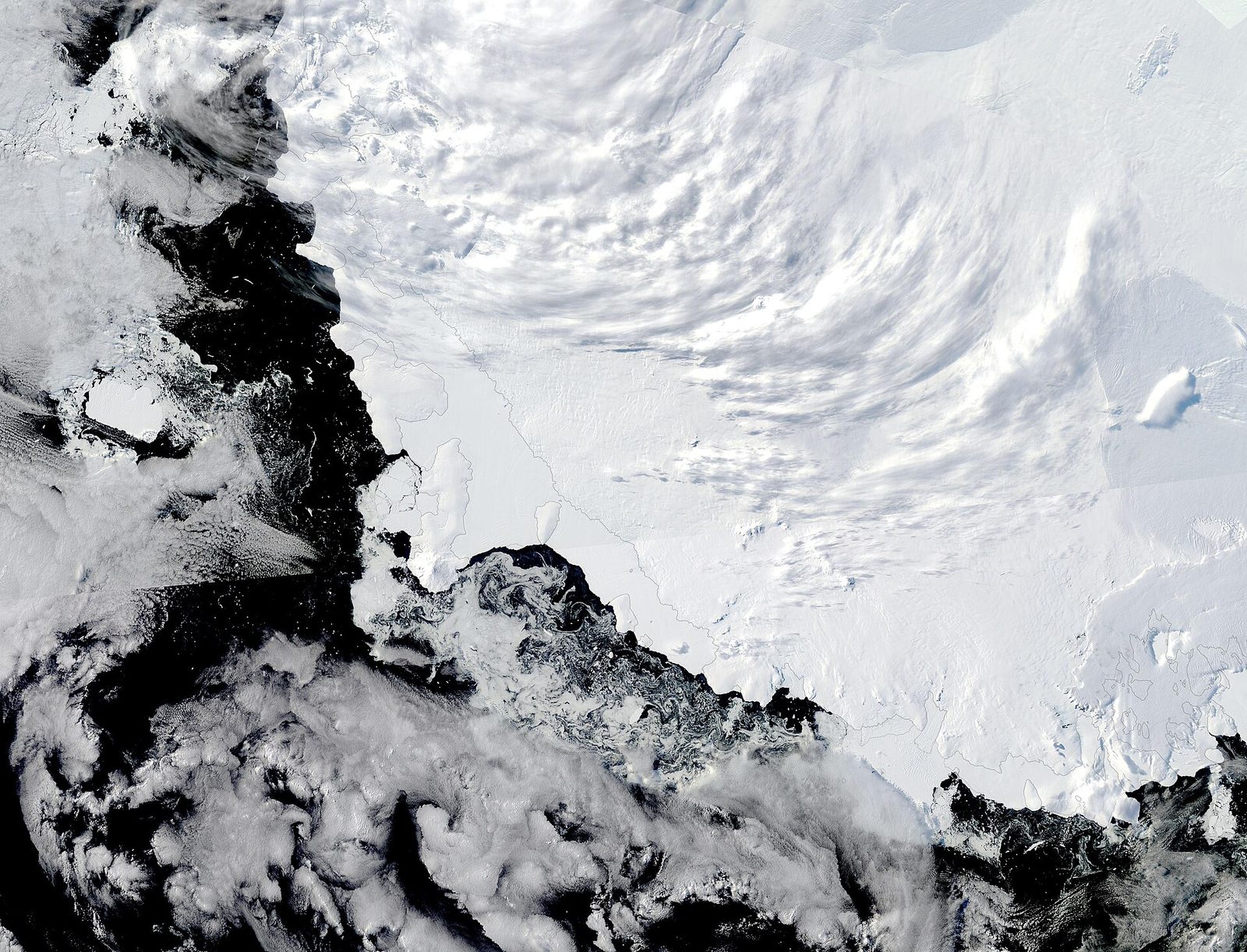
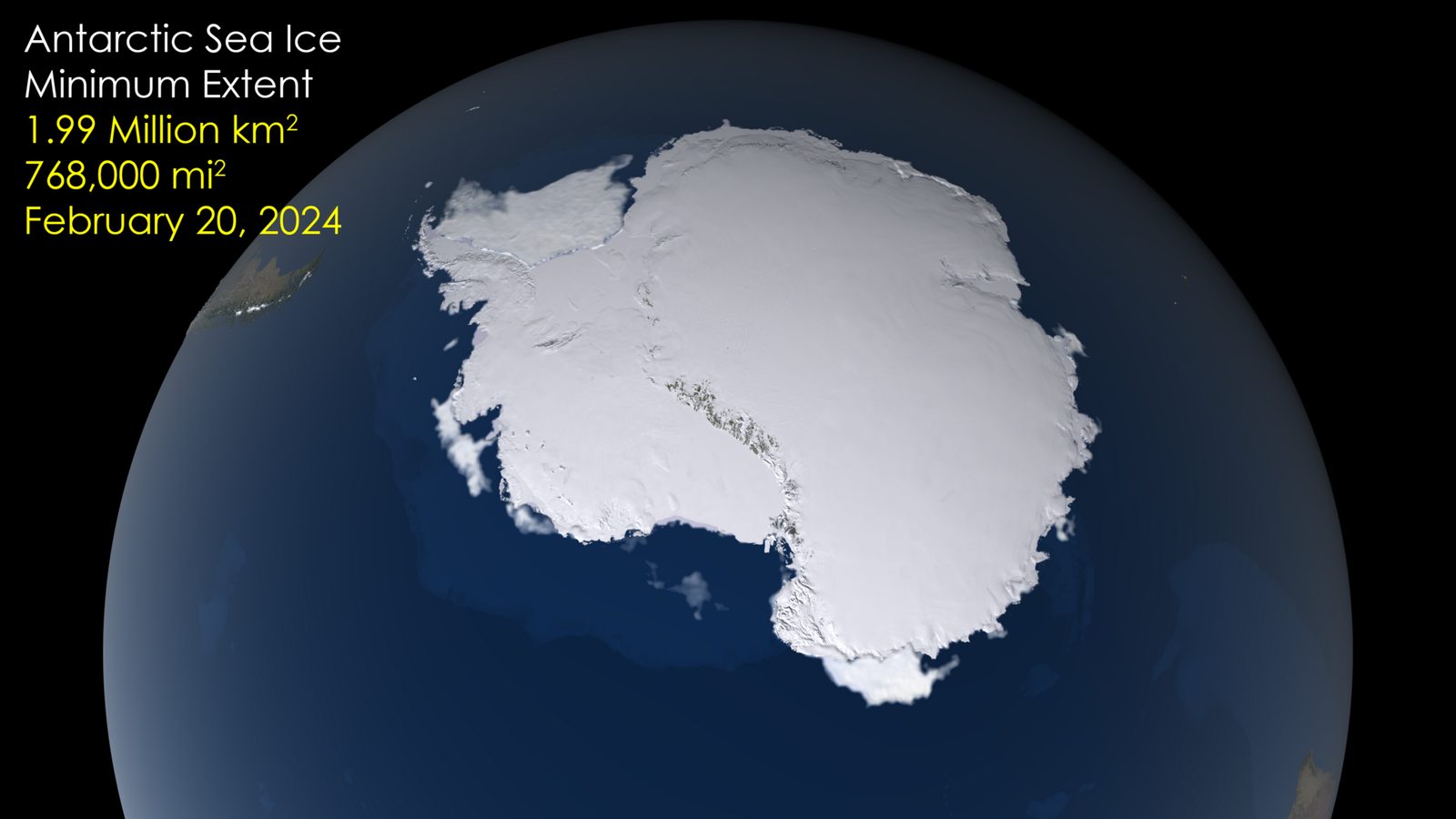
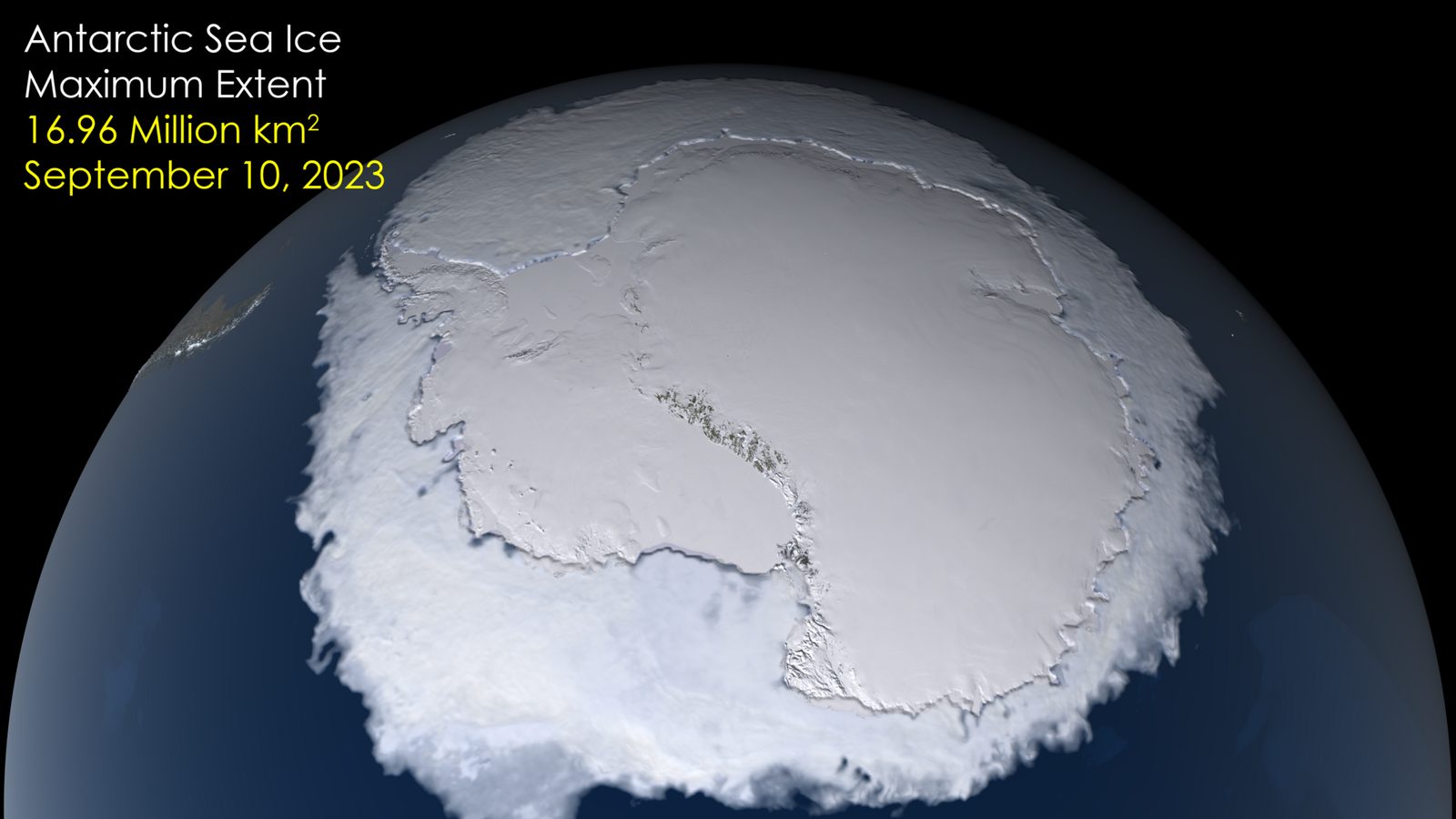
Since 2016, Antarctic sea ice loss coincides with salinity rise in Southern Ocean depths. The salinity shift reverses decades of freshening and affects global ocean circulation.
5 outlets told this the same way.
Outlets did split on Putin Opens Gas Exporting Countries Forum Summit in Moscow, Qatar Emir Backs Energy Security →
Sea ice flips ocean layer
Scientists said the rapid decline of Antarctic sea ice since 2016 has triggered a dramatic shift in Antarctic Intermediate Water, reversing decades of freshening with a sharp salinity increase in a vast layer of the Southern Ocean. Researchers documented the salinity increase in a layer extending from 2,300 to 4,000 feet deep and encircling Antarctica, and they said the shift reverses a decades-long trend of freshening water.
Bishakhdatta Gayen said the study combined six independent datasets to track changes in the Southern Ocean from 2004 to 2024, using Argo floats that measure water properties such as density and salinity. Gayen said the changes to the density, thickness and salinity of the layer influence how heat moves between the surface of the ocean and deeper waters, which “could affect how the ocean stores and redistributes heat,” and he added that more monitoring is needed because impacts are potentially “knocking on your door within five years.”
Bengaluru team warns of
Bishakhdatta Gayen told Deccan Herald that “This water was super-stable for decades, but the trends reversed since 2016,” turning Antarctic Intermediate Water saltier, denser, and deeper. Gayen said the water mass they studied is known as Antarctic Intermediate Water at a depth of 700-1200 mt, and he said it spreads northward into the Atlantic, Indian and Pacific oceans carrying properties it acquires near Antarctica into the tropical oceans.
The researchers analyzed over 20 years of ocean and satellite data, with all three records showing freshening through 2015 followed by saltier, denser and deeper Antarctic Intermediate Water from 2016 onwards. Gayen said the consequences are unknown and that “We need to watch the trend closely at leats for the next 10 years,” while the study appeared in Nature Climate Change.
Heat and carbon storage
The Southern Ocean is the key juncture for all the world’s oceans, and Michael Meredith of the British Antarctic Survey said, “It’s the major site where old waters are reprocessed into new, so this could have global consequences.” The Southern Ocean plays a “massive role” in drawing down human carbon dioxide emissions, which moderates the rate of climate change where people live, and Meredith said, “Anything that disrupts key ocean cycles demands our attention.”
“It’s the major site where old waters are reprocessed into new, so this could have global consequences.”
The AAIW helps store carbon, supply oxygen and drive global ocean currents, and the team found the AAIW’s long-term trends in salinity and density reversed from 2016 to 2024. Bishakhdatta Gayen said, “If the altered AAIW changes the way surface water is carried down into deeper layers, it could affect how much carbon the ocean locks away,” while Kaushik Mishra said the ocean absorbs over 90% of all heat released into the environment by human activities.