Climateupdated 1h ago3 min read
Archive photo · 13 January 2023Dodzi Komla Kokoroko Launches Forum To Build Africa’s Circular Economy Position Ahead Of COP31
“collective progress remains clearly insufficient, that global transitions are very uneven”
“These talks will also be happening in the context of incredibly fraught geopolitics”
Photo: Akouete, CC BY-SA 4.0 · Cropped for layout
This article is an automated aggregation of coverage from news outlets. Our editorials offer in-depth analysis curated by the NewsCord team.
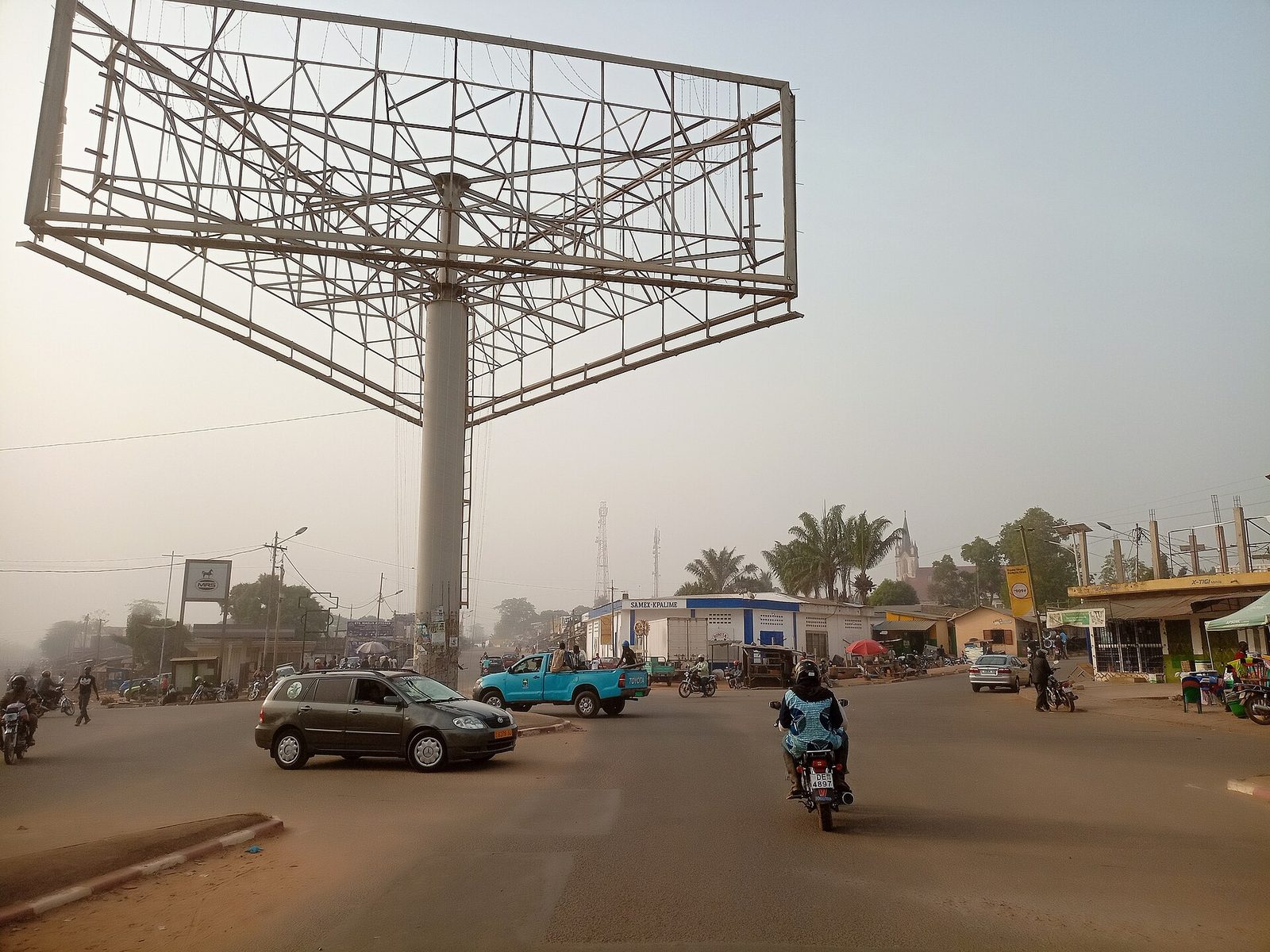
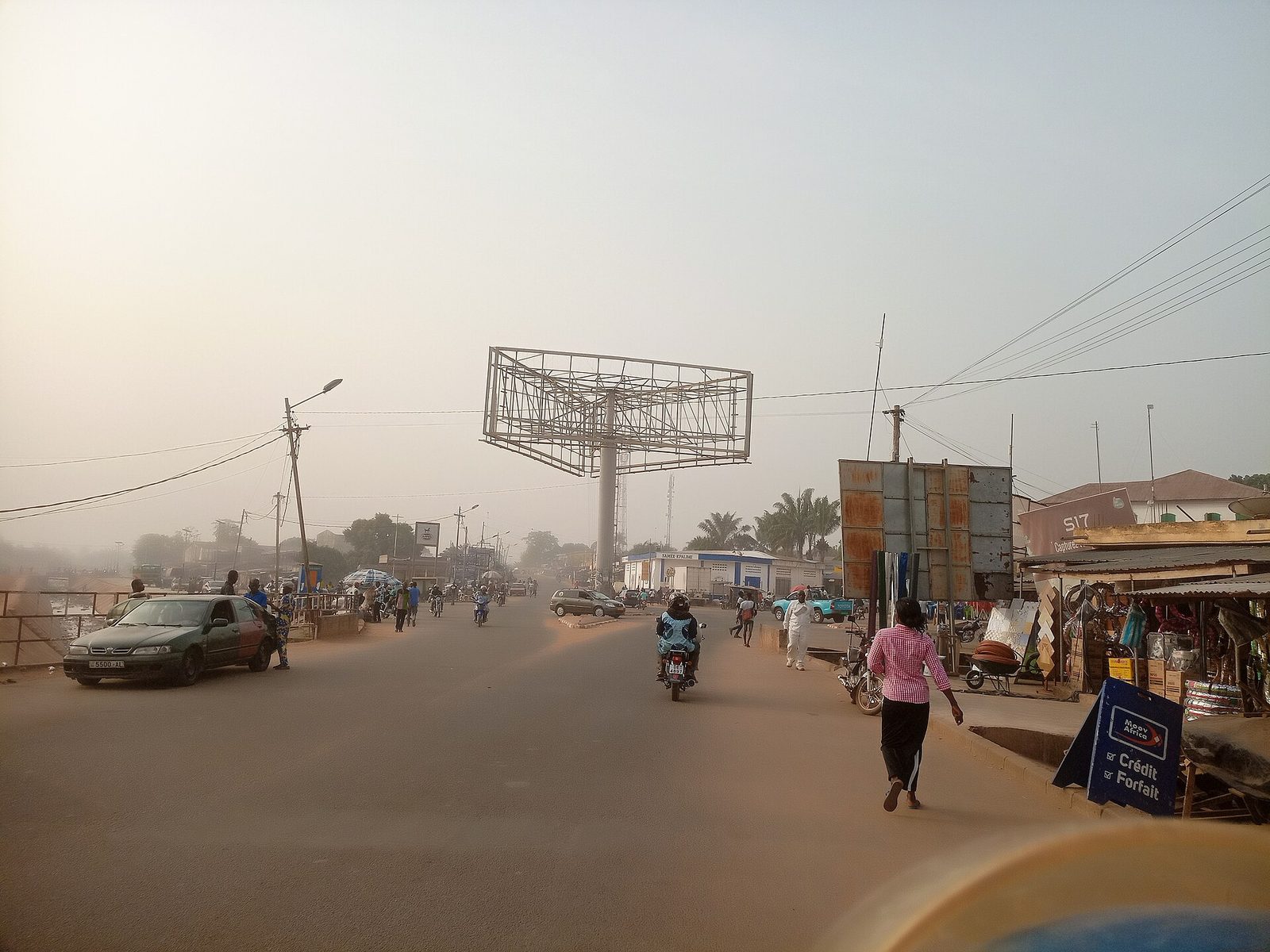
Kpalimé launched Forum Territoires d'Afrique Zéro Déchet as Africa Chapter leader. Forum aims to build a common African position on waste management via circular economy.
Circular economy drives COP31
On October 26, 2026 in Kpalimé, Togolese Minister of Environment and Forest Resources Dodzi Komla Kokoroko launched the Forum “Territoires d'Afrique Zéro Déchet” to build a common African position on waste management grounded in a circular economy ahead of COP31 scheduled in November in Antalya, Türkiye. The Forum brought together more than 300 participants, including local elected officials, parliamentarians, traditional leaders, academics, financiers, businesses, civil society organizations, diplomats, and youth representatives, to share experiences in sustainable waste management and generate solutions for cities where waste is reduced, reused, or recycled. Nana Dr Antwi-Boasiako Amoah, chair of the African Group of Negotiators on Climate Change (AGN), called for COP31 to be a conference of implementation and credibility, rather than a new cycle of broken promises.
The Economic Commission for Africa (ECA) positioned COP31 preparation as a guiding thread of the fourteenth Conference on Climate Change and Development in Africa (CCDA-XIV), and the CCDA-XIV conclusions recommended that the African Union, the ECA, the African Development Bank, and their partners develop a continental roadmap for the circular economy by the horizon of COP31 and COP32. The CCDA-XIV conclusions also called to strengthen the African Circular Economy Alliance and the Africa Circular Economy Facility to translate political leadership into bankable investment opportunities.
Adaptation finance agenda fight
Ghana, which is chairing the African Group of Negotiators (AGN) this year, sent a letter to UN climate chief Simon Stiell requesting three additional agenda items at COP31, including tripling adaptation finance, trade and climate change, and the financing arrangements of the Green Climate Fund. AGN chair Antwi-Boasiako Amoah wrote in the letter that “a dedicated item is needed”, pointing to worrying trends in adaptation finance, and he added that the mid-year climate talks in Bonn had “made clear” that countries could not agree how or where to take the goal forward. Raju Pandit Chhetri, lead climate finance negotiator for the least-developed countries (LDCs), told Climate Home News it would be difficult to secure an agenda item on adaptation finance alone, but he called it “a homeless issue” that needs to be discussed somewhere within the formal talks at COP31.
The Climate Home News account said governments agreed at last year’s COP30 on a new target to “at least triple” finance for climate adaptation in developing countries by 2035, but it said the last-minute deal left out key details including the baseline year for tripling and who should pay. Mattias Söderberg, global climate lead for the Danish development NGO DanChurchAid, said tripling adaptation finance is not just “catchy wording”, and he added that the AGN’s proposal will “for sure” spark a debate and “may lead to an agenda fight”.
COP31 outcomes under pressure
UN Climate Change reported that three reports published by UN Climate Change show overall progress remains substantially insufficient ahead of COP31 in Antalya, Türkiye from 9-20 November. UN Climate Change Executive Secretary Simon Stiell said the reports are “another reminder of the difficult headwinds of this moment,” while also saying nations are “standing firm and pushing ahead.” The UNFCCC reporting said the NDC Synthesis Report recorded 127 new NDCs between 1 January 2024 and 31 August 2026, representing 154 Parties to the Paris Agreement, and it said those NDCs cover around 70 per cent of global greenhouse gas emissions.
The UN Climate Change reports warned that current pledges are expected to reduce global emissions by around 6 per cent by 2035 below 2019 levels, and with full implementation of all current pledges, 2035 emissions could be reduced by around 9.0 per cent. The Equation framed COP31 as a test for outcomes as the world faces overshoot of 1.5°C, quoting that “global greenhouse gas (GHG) emissions would have to be reduced by 18 per cent by 2030, 45 per cent by 2035 and 69 per cent by 2040, all relative to 2025 levels,” while also quoting that current commitments would only cut emissions “by 5-8 per cent by 2030 and 11-15 per cent by 2035” relative to 2025 levels.