Technology and Science14 May, 20262 min read
Apple Sues OpenAI Over Trade Secret Theft, Citing Former Employees in Hardware Plans
This article is an automated aggregation of coverage from news outlets. Our editorials offer in-depth analysis curated by the NewsCord team.
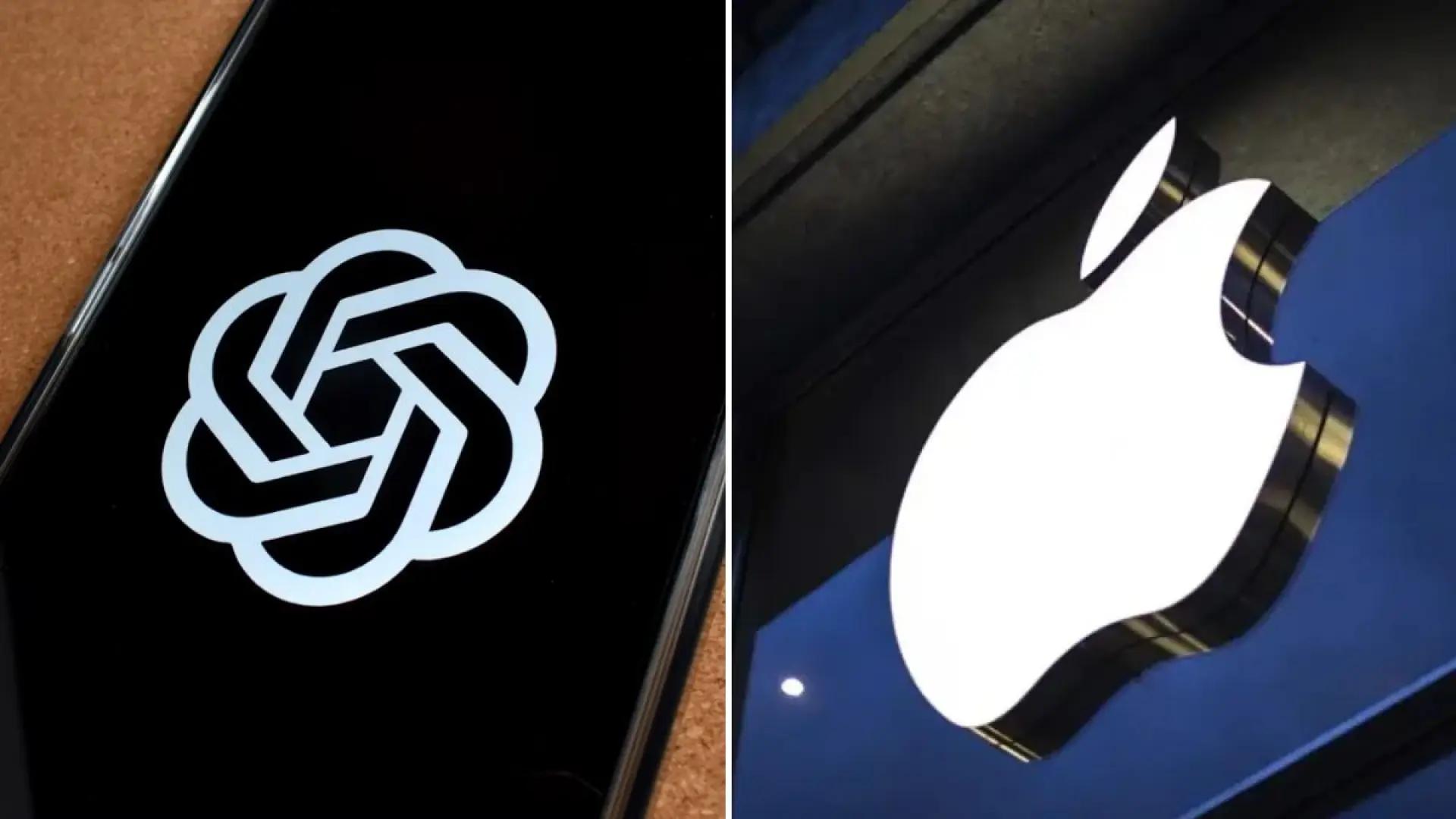
Apple sues OpenAI alleging trade secret theft and misuse of Apple employees. OpenAI reportedly preparing legal action against Apple over Siri integration.
Apple sues over trade secrets
Apple filed a trade secrets lawsuit against OpenAI on Friday, July 10, accusing the creator of ChatGPT of stealing its commercial secrets to build an emerging hardware division. In the complaint, Apple says it has “significant evidence” that “individuals employed by OpenAI se sont emparés de manière frauduleuse d’informations secrètes et confidentielles d’Apple,” including information about products, processes and technologies not yet public.
Apple also asked its lawyers to send legal letters to OpenAI employees who previously worked for Apple, and the request included requiring meetings in person. The dispute centers on allegations that two former Apple employees helped OpenAI accelerate its consumer hardware plans, with Apple arguing that OpenAI’s device activity rests on “l’appropriation illégale de secrets industriels.”
Named employees and legal letters
The lawsuit names Tang Yew Tan, described as a veteran who accumulated 24 years at Apple and became vice president of product design for the iPhone and the Apple Watch, and it also names Chang Liu, an electrical engineer who spent eight years on sensitive iPhone projects. Apple’s case includes claims about how Liu allegedly kept access after leaving Apple, and it also describes how Apple says Tan used internal project code names in interviews to “sonsacar information” about products not yet announced.
L’Express says Apple’s lawyers sent personal legal letters to dozens of OpenAI employees who had previously worked for Apple, and it reports that about forty former Apple employees out of around 400 received letters to preserve documents and communications. In TechCrunch’s Equity podcast, Sean O’Kane said the lawsuit could “cause some delays in what OpenAI is working on,” while Kirsten Korosec framed the case as a trade secret complaint that “has some pretty wild allegations” filed by Apple.

Hardware plans and IPO stakes
The legal fight is playing out as OpenAI prepares for a hardware push and a possible IPO, with TechCrunch’s panel discussing whether the outcome could affect OpenAI’s plans to get into hardware starting with a mobile smart speaker. Cadena 3 Argentina reports that the podcast panelists discussed whether the lawsuit could hinder development of a hardware device OpenAI plans to launch, rumored to be a mobile smart speaker, and it quotes Sean O’Kane saying the case could delay what OpenAI is working on.
“He said, 'Even setting aside whether the court grants any form of injunctive relief, this could delay what OpenAI is working on'.”
L’Express adds that the conflict comes as ChatGPT maker teams up with the former chief designer of the smartphone giant to develop its own devices, describing a palm-sized portable gadget with a microphone and cameras. Across the coverage, the stakes are tied to timing: Capital.fr notes that the lawsuit could create “un problème juridique majeur pour OpenAI” as the startup prepares for its “introduction en Bourse très attendue,” and TechCrunch’s discussion links the uncertainty to questions about whether OpenAI will settle or endure a trial.