Iranupdated 45m ago2 min read
Araghchi Says United States and Israel’s Aggression Created Strait of Hormuz Insecurity
This article is an automated aggregation of coverage from news outlets. Our editorials offer in-depth analysis curated by the NewsCord team.
Insecurity of the Strait of Hormuz caused by US and Israeli aggression since Feb 28, 2026. Iran will not surrender sovereign rights under pressure, remains ready for dialogue with guarantees.
Tehran Times was read line by line by the Watchdog: 2.6. See the score →
Hormuz, blame, and dialogue
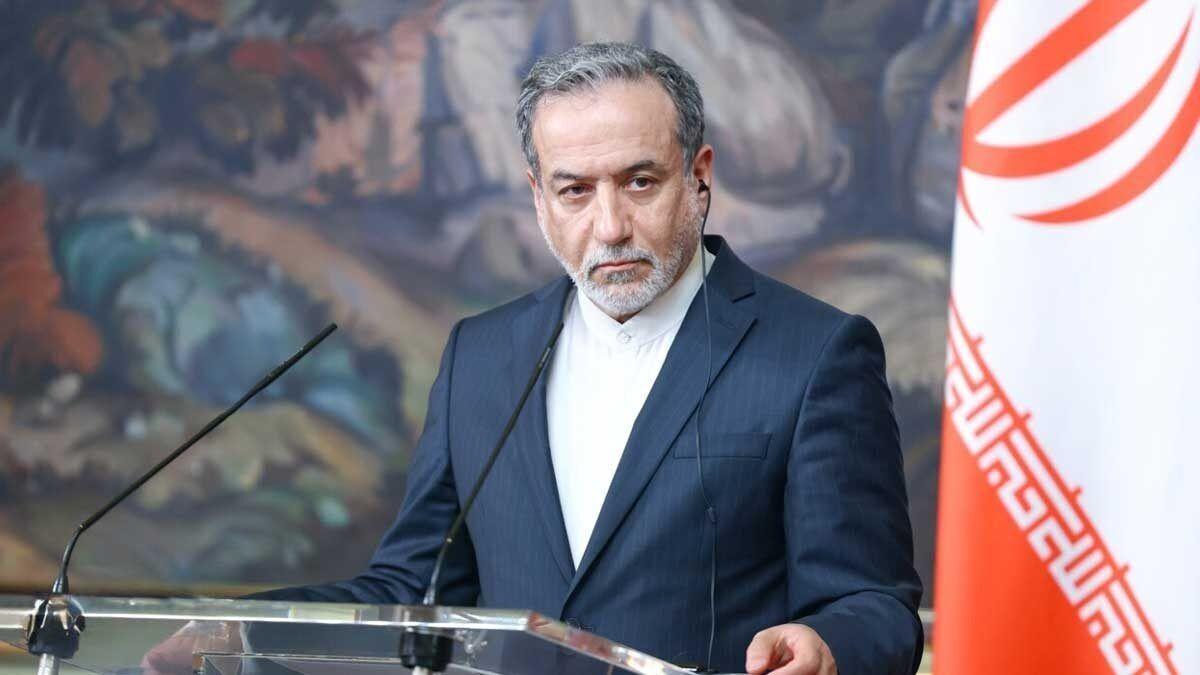
Iranian Foreign Minister Seyyed Abbas Araghchi told the 52nd Council of Foreign Ministers of the Organisation of Islamic Cooperation in Baghdad that insecurity in the Strait of Hormuz is a direct result of the aggressive actions of the United States and the Zionist regime, which began on Feb. 28, 2026.
Araghchi said the Strait was open until 28 February 2026, and he linked the insecurity and disruption of maritime navigation since then to the blockade and coercive measures imposed by the United States.
Araghchi also said Iran remained committed to safe and secure navigation in the Strait of Hormuz, a waterway vital to the energy and trade of many of the member states.
Araghchi argued that diplomacy was in fact working, and he pointed to an Islamabad MoU signed on 17 June and technical discussions with the Sultanate of Oman to implement it.
Araghchi said maritime traffic recovered to approximately 60 percent of its pre-war level within two weeks, before subsequent unilateral US measures blocked implementation.
Araghchi rejects coercion
Araghchi told the OIC council that Iran did not accept coercion, threats, or intimidation, and he said any dialogue must be grounded in mutual respect and backed by credible guarantees. Araghchi said the United States chose the opposite path: aggression, threats, assassination and economic warfare, and he framed that as a disregard for international law and the UN Charter. Araghchi said the United States and the Israeli regime assassinated Iran's Supreme Leader and other senior political and military officials, calling it a grave violation of international law.
Araghchi said Iran would not surrender sovereign rights under pressure, and he reiterated that Iran remains ready for dialogue based on mutual respect and credible guarantees. Araghchi said, “This issue will not be resolved on the battlefield,” and he added, “Peace cannot be built through threats of annihilation.”

Netanyahu and regional pressure
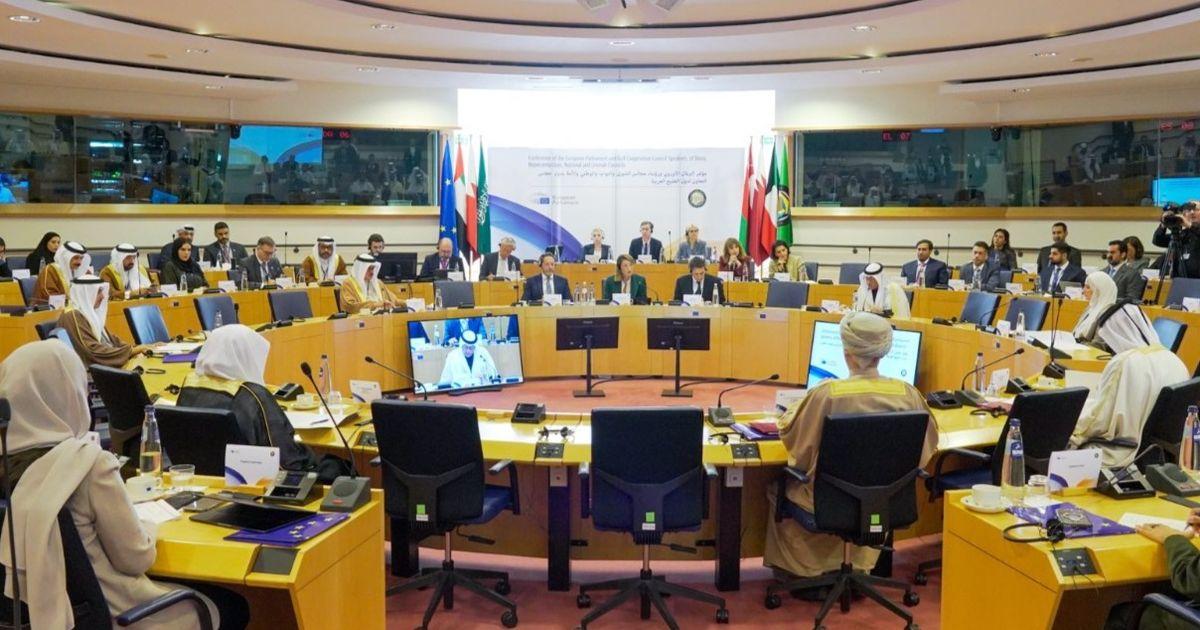
Benjamin Netanyahu said Israel, under his leadership, has managed to neutralize the immediate threat of the destruction of this country, but he said the Islamic Republic will strive to revive this threat as long as it is in power. Netanyahu said, “We have done 90 percent of the work,” and he warned that if opponents do not rid themselves of the regime in Iran, it “will come back again.” In Brussels, the final communique of a conference of the heads of legislative councils in the European Parliament and the Gulf Cooperation Council condemned “the ongoing Iranian rocket and drone attacks against GCC member states.”
“‘We have done 90 percent of the work, but you know, it’s like cancer.”
The communique said the participants “strongly condemned” those attacks and called for Iran and its proxies to stop them “immediately and unconditionally.” The communique also urged Iran and its proxies to respect freedom of navigation and the right of transit passage through the Strait of Hormuz and the Bab al-Mandeb.