Full story
Aid workers killed in Sudan
In Sudan, aid workers face escalating danger in conflict zones, with Radio Dabanga describing killings, injuries, abductions and unlawful detention alongside restrictions and obstacles that limit movement.
“Idris Ibrahim Sidi was killed after the vehicle carrying him came under attack by armed looters near the Chadian border”
Radio Dabanga reported that Sudanese volunteer Idris Ibrahim Sidi was killed after the vehicle carrying him came under attack by armed looters near the Chadian border, and it said the Local Malha Emergency Rooms Coordination Council posted that the incident “had deeply shaken the local community.”
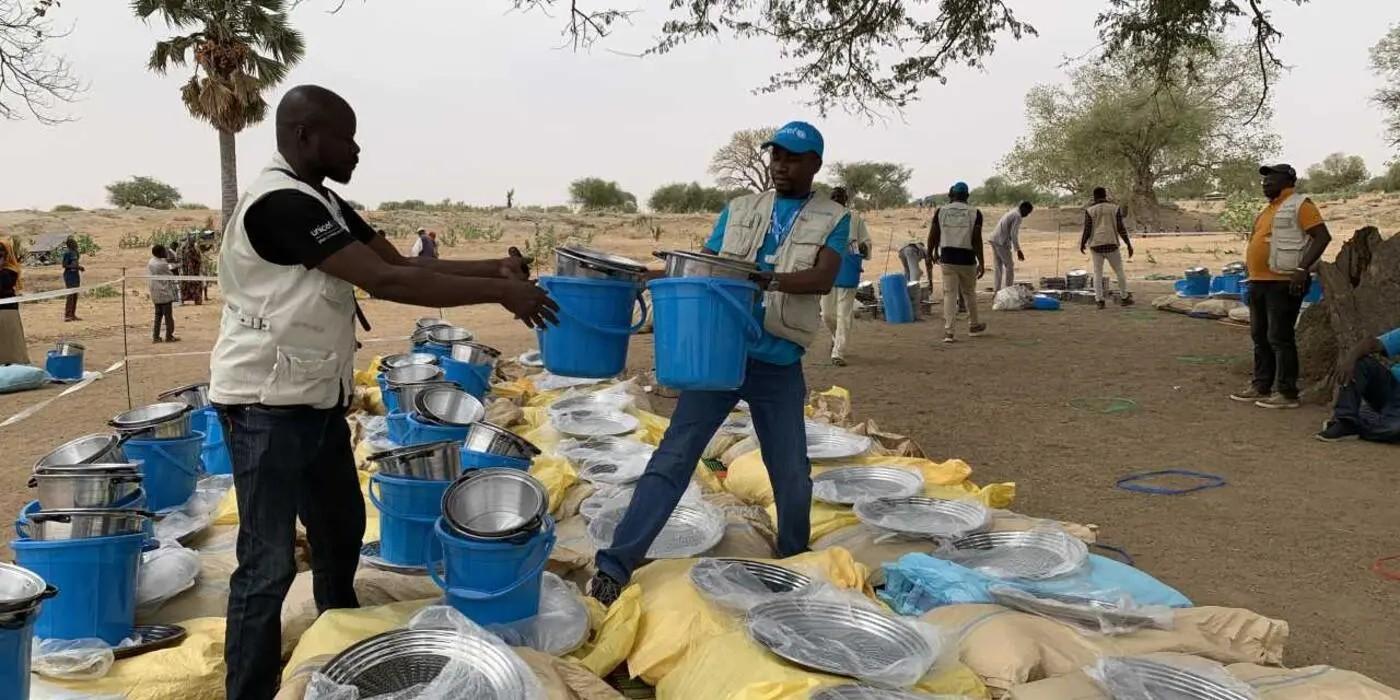
The United Nations humanitarian coordinator in South Sudan said at least 36 humanitarian workers and contractors have been killed in South Sudan since January, surpassing the 31 killed in all of 2025, as violence persists in a country described as one of the most dangerous for aid workers.
The UN coordinator, Ramanathan Balakrishnan, said in a statement marking World Humanitarian Day that “Every killing must be investigated, and those responsible held accountable.”
Drones and violations
Radio Dabanga said the UN warned that the rapid spread of low-cost, easily modified armed drones has increased risks for civilians and aid workers, with the UN attributing “about 80 per cent of civilian deaths in Sudan during the first four months of 2026” to drones.
The same Radio Dabanga report said the UN called on civilians to be respected and protected under international humanitarian law, including humanitarian and medical workers, and it said parties to armed conflicts must allow and facilitate humanitarian access.

Radio Dabanga also quoted Dr Salah El Amin, who told Radio Dabanga that “On this World Humanitarian Day, we have every right to be proud, and to hold our heads high,” while celebrating young men and women who have taken on humanitarian work since the outbreak of the war on 15 April 2023.
El Amin said the parties to the fighting have committed daily violations of international humanitarian law and breaching rules relating to the protection of civilians and civilian infrastructure, pointing to attacks including the shelling of a hospital in El Daein and the destruction of the Ardamata bridge.
What comes next
Radio Dabanga said El Amin argued that what was urgently needed was the signing of a humanitarian truce under a clear agreement and with international oversight from humanitarian organisations and countries concerned about Sudan.
“What was urgently needed, he said, was the signing of a humanitarian truce under a clear agreement”
He said, given delays by the warring parties, they should agree on temporary truces that respected international humanitarian law and protected civilians, while also accusing the parties of using civilian sites as military barracks including schools and hospitals.
In the same report, Radio Dabanga described how youth initiatives and local civil society organisations responded since the outbreak of war on 15 April 2023 by forming resistance, emergency and service committees and organising communal kitchens, known as takayas, as a form of humanitarian action.
Radio Dabanga added that the UN World Food Programme marked World Humanitarian Day by saying, “We honour Sudanese humanitarian workers who have stayed in their homeland for their people throughout the past three years of conflict.”