Asia27 October, 20252 min read
ASEAN Leaders Reject Coercion, Call for Dialogue Amid US-China Power Struggle
This article is an automated aggregation of coverage from news outlets. Our editorials offer in-depth analysis curated by the NewsCord team.
ASEAN leaders emphasize dialogue and collaboration over coercion amid US-China tensions US President Trump attended ASEAN Summit and signed Thailand-Cambodia ceasefire agreement

5 outlets told this the same way.
ASEAN-India Summit Highlights
At the Kuala Lumpur gatherings—the 22nd ASEAN-India Summit held alongside the 47th ASEAN Summit—leaders foregrounded cooperation and practical problem-solving. India’s Prime Minister Narendra Modi, addressing virtually, emphasized the strong and growing Comprehensive Strategic Partnership and framed ASEAN as a key pillar of India’s Act East Policy. He aligned with themes of inclusivity, sustainability, and joint work on digital inclusion, food security, and resilient supply chains amid global uncertainties.
“The 22nd ASEAN-India Summit, held alongside the 47th ASEAN Summit in Kuala Lumpur, saw Indian Prime Minister Narendra Modi virtually address the gathering, emphasizing the strong and growing Comprehensive Strategic Partnership between India and ASEAN.”
Regional integration also advanced with Timor-Leste officially introduced as a new member, underscoring a broader push toward dialogue-driven economic integration rather than fragmentation. While the sources do not quote ASEAN leaders explicitly saying they reject coercion, the stated summit themes and cooperative commitments point toward a preference for dialogue-centric approaches to regional challenges.
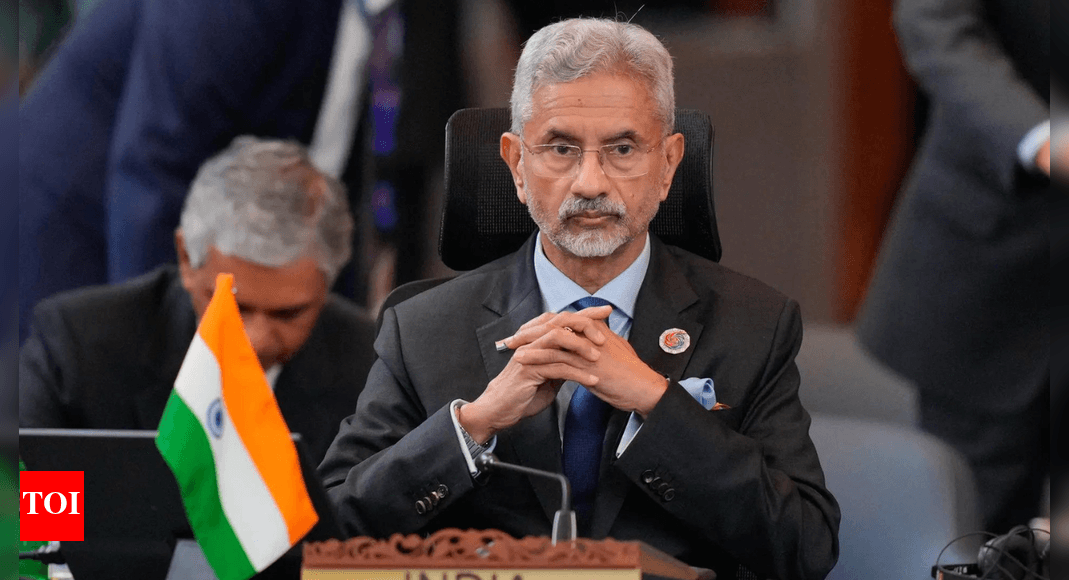
US Role in ASEAN Peace Summit
External power dynamics shaped the optics of the summit. ABC reports that the summit was overshadowed by the arrival of US President Donald Trump. Trump helped broker a peace agreement between Thailand and Cambodia.
He warned that continued fighting could risk their trade relations with the US. Trump promised more transactions if peace held. The Times of India also reports a high-profile breakthrough at the summit.
It describes the event as witnessing a historic peace agreement mediated by former US President Donald Trump. Thai and Cambodian leaders expressed deep gratitude for the agreement.
Trump called the agreement a significant achievement that potentially saved millions of lives. Together, these accounts show ASEAN proceedings occurring alongside assertive US engagement portrayed as leverage-heavy and headline-grabbing.
Ceasefire Credit Dispute
Who deserves credit for the Thailand–Cambodia ceasefire extension becomes a point of divergence. ABC reports that analysts noted Malaysian Prime Minister Anwar Ibrahim played a crucial role in the agreement. The deal was an extension of a ceasefire initially reached in July, which tempers one-man narratives.
“While Trump claimed credit for accelerating the ceasefire, analysts noted that Malaysian Prime Minister Anwar Ibrahim played a crucial role in finalizing the agreement, which was an extension of a ceasefire initially reached in July.”
Times of India portrays it as a historic peace agreement credited to Trump. The report features leaders' deep gratitude and Trump's claim of potentially saving millions of lives.
This contrast shows competing narratives—shared regional facilitation versus singular external leadership. The summit was otherwise themed around cooperative, inclusive problem-solving.
ASEAN's Role in US-China Dynamics
Set against the US–China power struggle backdrop, the sources suggest ASEAN’s preference for cooperative dialogue but also reveal how pressure tactics can shape outcomes. The summit’s agenda stressed inclusivity, sustainability, and collaboration on regional staples such as digital inclusion, food security, and resilient supply chains—signals of dialogue-first problem-solving. ABC underscores the complex influence of external powers like the US and quotes Trump’s threat that fighting could jeopardize US trade relations.
Al Jazeera notes that enforcing agreements via more punitive tariffs highlights that, in some contexts, economic tools with coercive effects are part of the policy toolbox. None of the sources directly quote ASEAN leaders as saying they reject coercion, so any such interpretation must remain cautious and grounded in the stated cooperative themes and the simultaneous presence of external leverage.