Asia26 October, 20252 min read
Kurdish PKK Withdraws All Fighters From Turkey to Iraq, Ending Four-Decade Armed Insurgency
This article is an automated aggregation of coverage from news outlets. Our editorials offer in-depth analysis curated by the NewsCord team.
PKK has withdrawn all its fighters from Turkey to northern Iraq’s Medya Defense Areas. The withdrawal marks the formal end of the PKK’s four-decade armed insurgency against Turkey.

11 outlets told this the same way.
Outlets did split on Avalanche Strikes Himlung Himal Base Camp In Nepal, At Least 10 Missing →
PKK Withdrawal and Peace Shift
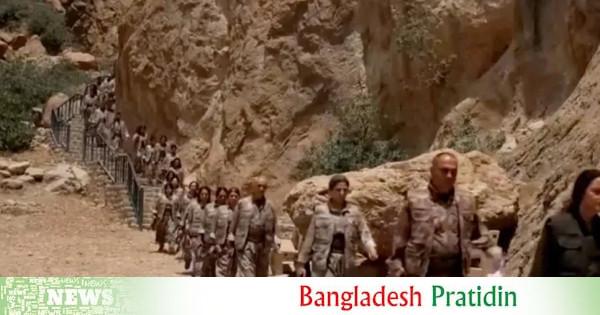
The Kurdistan Workers’ Party (PKK) announced it has withdrawn all fighters from Turkey to northern Iraq. This move is framed as the formal end of a four-decade armed campaign and a pivot to democratic politics. Sources detail the relocation to the Medya Defense/Defence Areas in Iraq’s Kurdistan Region, including Mount Qandil.
“The Kurdistan Workers’ Party (PKK) announced it has withdrawn all its forces from Turkey to northern Iraq, marking a significant milestone in the peace process with Ankara and signaling the formal end of its four-decade armed campaign.”
The move is linked to PKK leader Abdullah Öcalan’s call for disarmament and renunciation of armed struggle earlier this year. Several outlets also connect the withdrawal to symbolic disarmament gestures made in July.
While all agree the shift is a major turn in the peace process, they differ on casualty counts and how they describe the PKK. These differences reflect varying editorial tones and regional perspectives.
Withdrawal and Disarmament Process
Fighters are moving to the Medya Defense Areas in northern Iraq, including the group’s longtime base around Mount Qandil. Leaders say the goal is to prevent clashes or provocations, measures that are also being mirrored along the border. Multiple sources note that the withdrawal was approved by imprisoned leader Abdullah Öcalan.
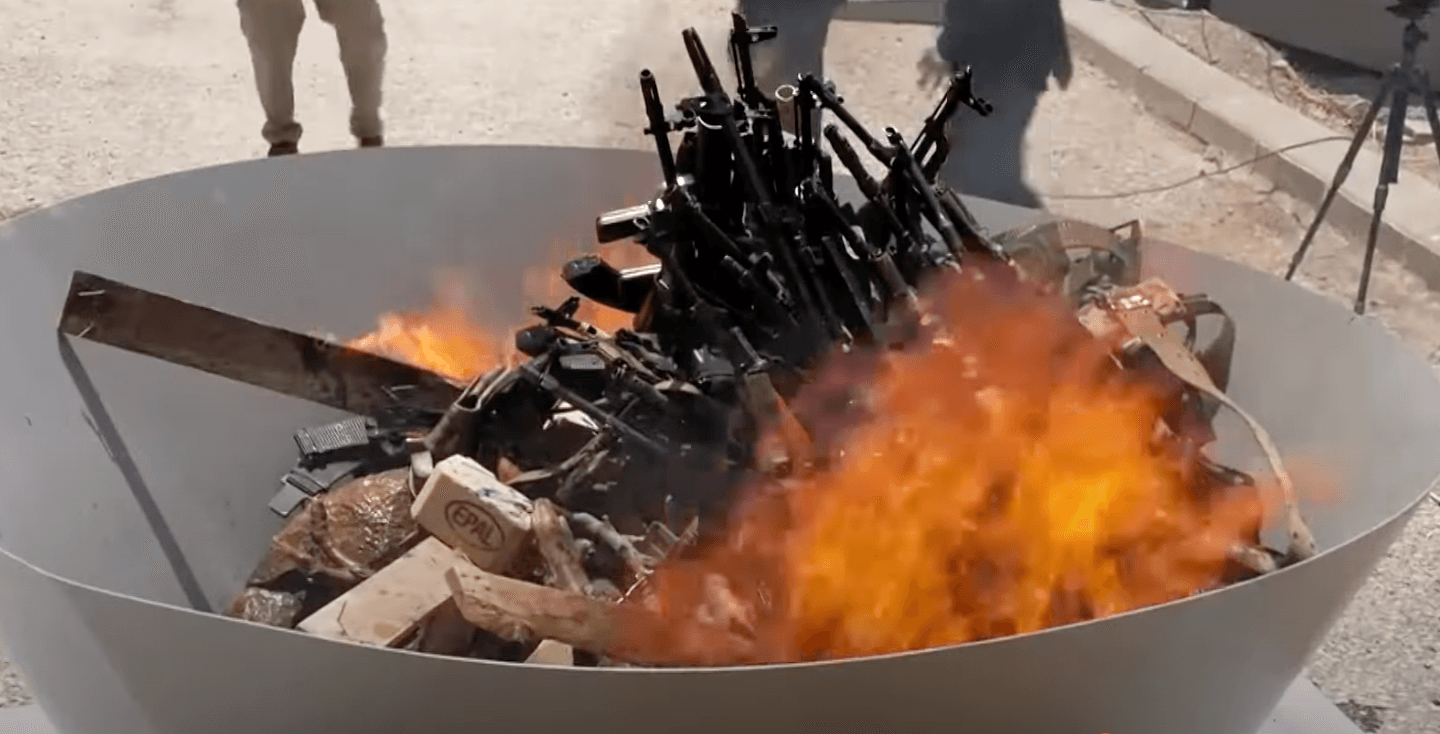
This move comes after a formal renunciation of armed struggle in May. It also followed symbolic disarmament gestures in July, described variously as a weapons-burning ceremony, a symbolic surrender of weapons, or a weapons destruction ceremony. Some outlets add on-the-ground detail by naming Sabri Ok as a representative articulating the purpose of the drawdown.

Kurdish Political Transition in Turkey
Politically, the PKK frames this as a transition from armed rebellion to democratic participation. They urge Ankara to enact legal and political reforms that would integrate Kurdish militants into civilian politics. Reports note Turkish governmental responses ranging from welcoming the move as progress toward a 'terror-free' future to forming parliamentary bodies tasked with facilitating reforms.
“The PKK is transitioning from armed rebellion to democratic politics, urging Turkey to implement necessary legal and political reforms to support Kurdish rights and democratic integration.”
Some coverage highlights an imminent meeting between President Erdogan and Kurdish legislators engaged in talks with Öcalan, underscoring the top-level political stakes of the process. Separate reports say the process was encouraged by what one outlet describes as an 'olive branch' extended to Öcalan.
Perspectives on PKK Ceasefire
The broader context and risk outlook are portrayed differently across sources. Al Jazeera situates the PKK move within wider regional dynamics, noting increased Turkey–Syria military cooperation as part of a shift toward peace and stability. Western Alternative and local outlets focus more narrowly on the cease in hostilities and domestic political tracks.
Some sources describe the step as historic and even irreversible. Others warn of possible sabotage to the process despite official optimism.

PKK History and Developments
The PKK was founded in the late 1970s, with some sources specifying 1978 as the year of establishment. It launched an insurgency in 1984 that has resulted in tens of thousands of deaths, with estimates ranging from over 40,000 to around 50,000. Several outlets recall previous unsuccessful peace efforts, most recently in 2015.
“Founded in 1978, the PKK initially sought Kurdish independence but later focused on cultural and political autonomy within Turkey.”
Despite the current breakthrough, many governments continue to designate the PKK as a terrorist organization. The move to relocate and disarm is widely seen as a transition from armed conflict to political engagement. However, the exact historical framing and terminology used to describe the group vary across different sources.