Iran15 April, 20261 min read
ASEAN Urges US And Iran To Resume Talks And Restore Strait Of Hormuz Passage
This article is an automated aggregation of coverage from news outlets. Our editorials offer in-depth analysis curated by the NewsCord team.
ASEAN urged US and Iran to continue negotiations toward a permanent end of conflict. Restore safe, unimpeded transit for ships, seafarers, and aircraft through Hormuz.
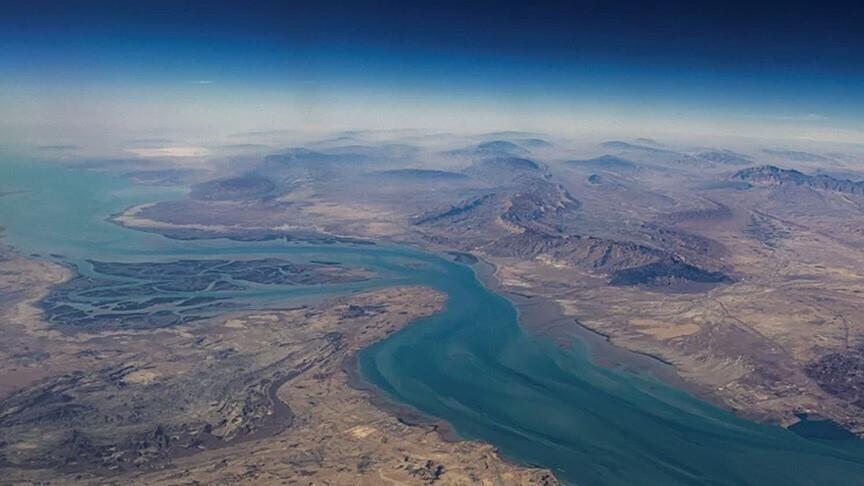
ASEAN's Call for Peace
ASEAN issued an urgent plea for the US and Iran to continue peace negotiations and restore safe passage through the Strait of Hormuz. The 11-nation bloc reminded the obligations of all states to resolve their differences through peaceful means. ASEAN called for the full and effective implementation of the ceasefire.
The appeal came as the US Navy moved to blockade the Strait of Hormuz. France and the UK announced plans to convene talks on a peaceful multinational mission. Australia and Britain stated they would not participate in the US blockade.
Global Economic Shock
The US blockade triggered a sharp spike in global oil prices. Brent crude soared 8.61% to $103.40 per barrel. WTI crude climbed 9.38% to $105.63.
The closure sent shockwaves through global markets. Indian equity benchmarks tumbled more than 2%. The blockade came despite a two-week ceasefire.
Maritime and Diplomatic Fallout
The blockade halted most shipping through the Strait of Hormuz. Iran's Revolutionary Guard said the strait remained under Iran's full control. The blockade came after marathon US-Iran ceasefire talks ended without an agreement.
Iranian parliament speaker addressed Trump: If you fight, we will fight. The war has killed thousands and shaken global markets.
ASEAN's Economic Vulnerability
The Hormuz crisis exposed deeper vulnerabilities for Southeast Asia. Indonesia consumes 1.5 million barrels per day but produces fewer than 700,000. A quarter of its crude imports transit through Hormuz.
The forced return to coal underscores the tension between energy transition goals and fossil fuel realities. ASEAN has issued no substantive statement beyond the call for safe passage.