Lebanon16 September, 20263 min read
Assaad Bechara Warns Lebanon Cannot Restore State Authority Until Hezbollah Weapons Are Removed
This article is an automated aggregation of coverage from news outlets. Our editorials offer in-depth analysis curated by the NewsCord team.
Negotiations with Israel are stalled, delaying decisions on state authority over weapons. Lebanon seeks to restore state control over weapons, amid disarmament talks with Israel.
7 outlets told this the same way.
State authority vs weapons
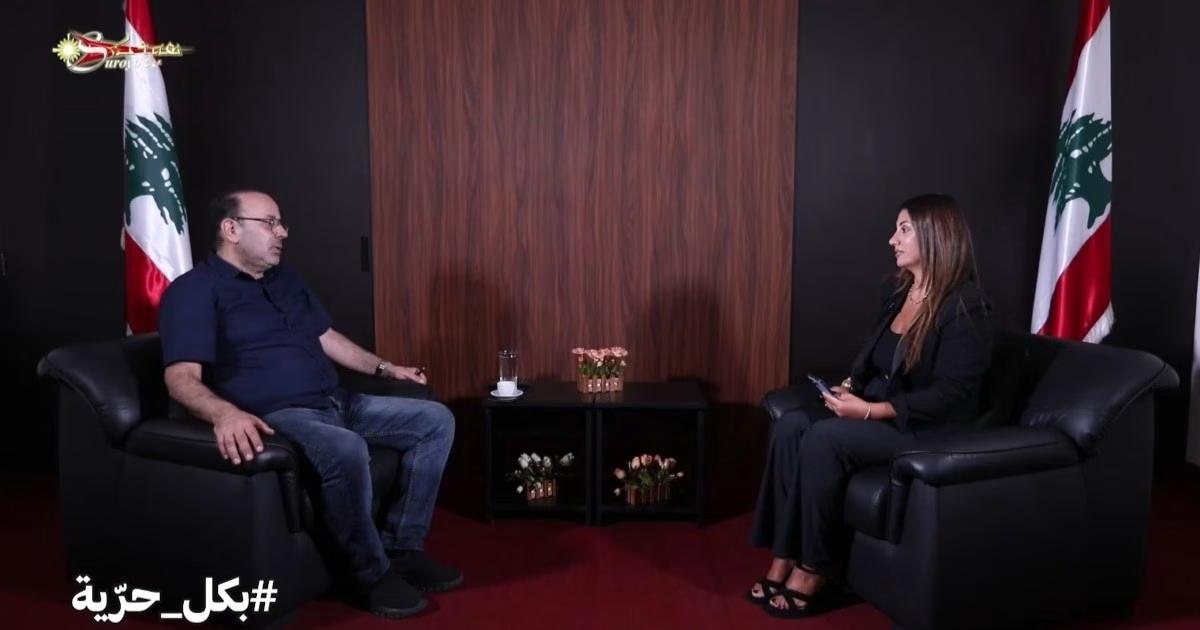
Lebanon is entering a sensitive political and security phase as negotiations with Israel intersect with an internal debate over the state’s authority over weapons and decisions of war and peace, with parts of southern Lebanon still under Israeli control and Israeli strikes continuing despite a ceasefire agreement. Journalist and political writer Assaad Bechara said Lebanon could not fully enter a new political phase until weapons outside state control were eliminated and the state alone exercised authority over decisions of war and peace. Bechara argued that progress would remain limited as long as Hezbollah retains military capabilities outside state institutions and prevents the full implementation of government decisions on the ground.
“The next round of US-mediated Lebanese-Israeli talks, initially scheduled for September, has been postponed to October.”
He said the next round of US-mediated Lebanese-Israeli talks, initially scheduled for September, has been postponed to October, while President Joseph Aoun told a visit to Nabatieh on 12 September that there were no new negotiations at present. The same source described the US-mediated framework as connecting an Israeli withdrawal with measures concerning Hezbollah’s disarmament, making weapons a central element of the negotiations.

Aoun seeks step-by-step
Lebanese President Joseph Aoun told AFP that Beirut wants to negotiate a security agreement with Israel after its withdrawal from southern Lebanon, while insisting that Hezbollah’s weapons must be brought under state control without triggering a confrontation. Aoun said, “We cannot jump directly to a peace agreement,” and framed the approach as step-by-step, with a security agreement focused on ending the state of hostility and securing the border. He also called for the creation of a temporary international force to prevent a security vacuum in southern Lebanon after UNIFIL’s mandate ends at the end of the year, adding, “What matters is that there is no vacuum.”
In parallel, TRT World reported that Aoun reiterated Lebanon is determined to disarm Hezbollah “peacefully,” saying, “The objective is not a confrontation,” and “We are determined to resolve this issue peacefully.” The Arab Weekly reported that Israel accused Lebanese Army Commander General Rodolphe Haykal of direct coordination and cooperation with Hezbollah, deepening a dispute over the US-backed plan to disarm the group in southern Lebanon.
Diplomacy, deployments, and risk
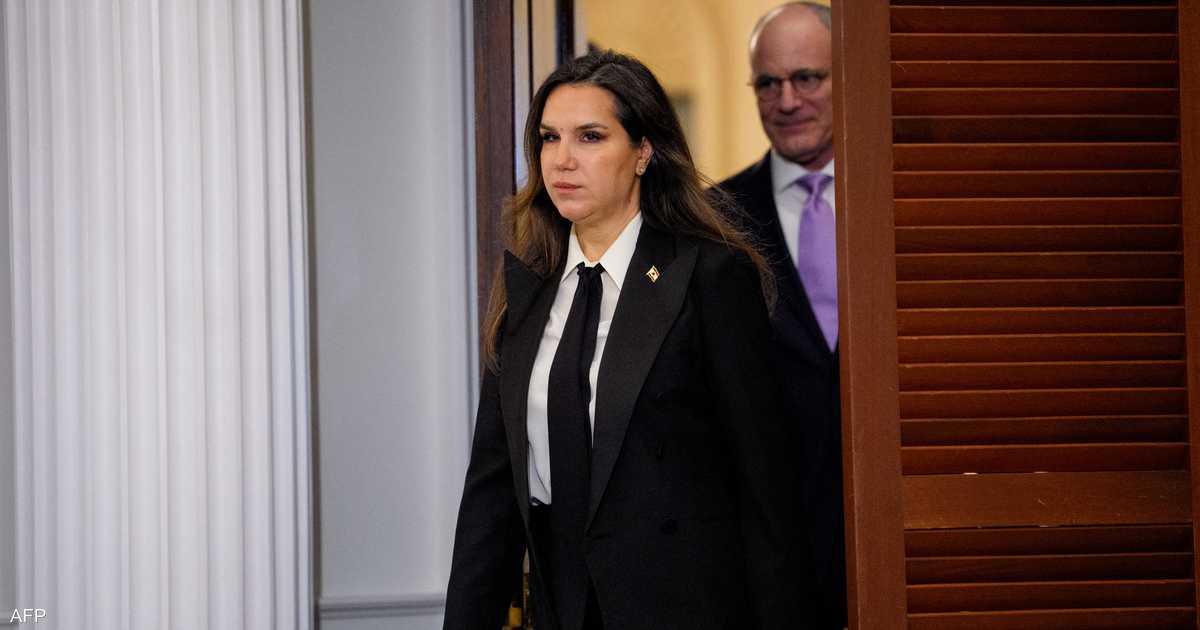
As the US-mediated track remained stalled, ambassadors met in Washington while the next round of talks was postponed until October, with Reuters noting that talks between Lebanese ambassador Nadine Moussou and her Israeli counterpart Yihiel Lifter were held at the U.S. State Department headquarters in Washington.
The Arab News described a meeting between Lebanese and Israeli ambassadors in Washington without issuing any statement, while a U.S. State Department spokesperson told The Arab News that “the United States remains committed to the trilateral framework which is the only way to achieve peace and stability.”
Naharnet reported that Lebanese Ambassador to the U.S. Nada Hamadeh Moawad and Israeli Ambassador to the U.S. Yechiel Leiter held a meeting overnight in the presence of U.S. State Department Counselor Daniel Holler, and that the U.S. Embassy said U.S. Ambassador to Lebanon Michel Issa visited southern Lebanon to assess conditions in the pilot zones.
The U.S. Embassy in Beirut said it “remains committed to supporting the Government of Lebanon and the Lebanese Armed Forces in strengthening state authority, protecting civilians, providing services, and creating conditions that help bring about lasting peace and stability,” while Issa said, “I deeply sympathize with residents who have endured displacement and uncertainty.”
Against that backdrop, The Arab Weekly said Israel’s allegations raised the stakes for Beirut as Israel portrayed the army’s deployment, checkpoints and weapons seizures as insufficient, while Lebanese officials maintained that the military was carrying out assigned duties under difficult conditions.