Tourism31 October, 20252 min read
Barcelona’s Sagrada Familia Becomes World’s Tallest Church After Workers Install Cross Segment
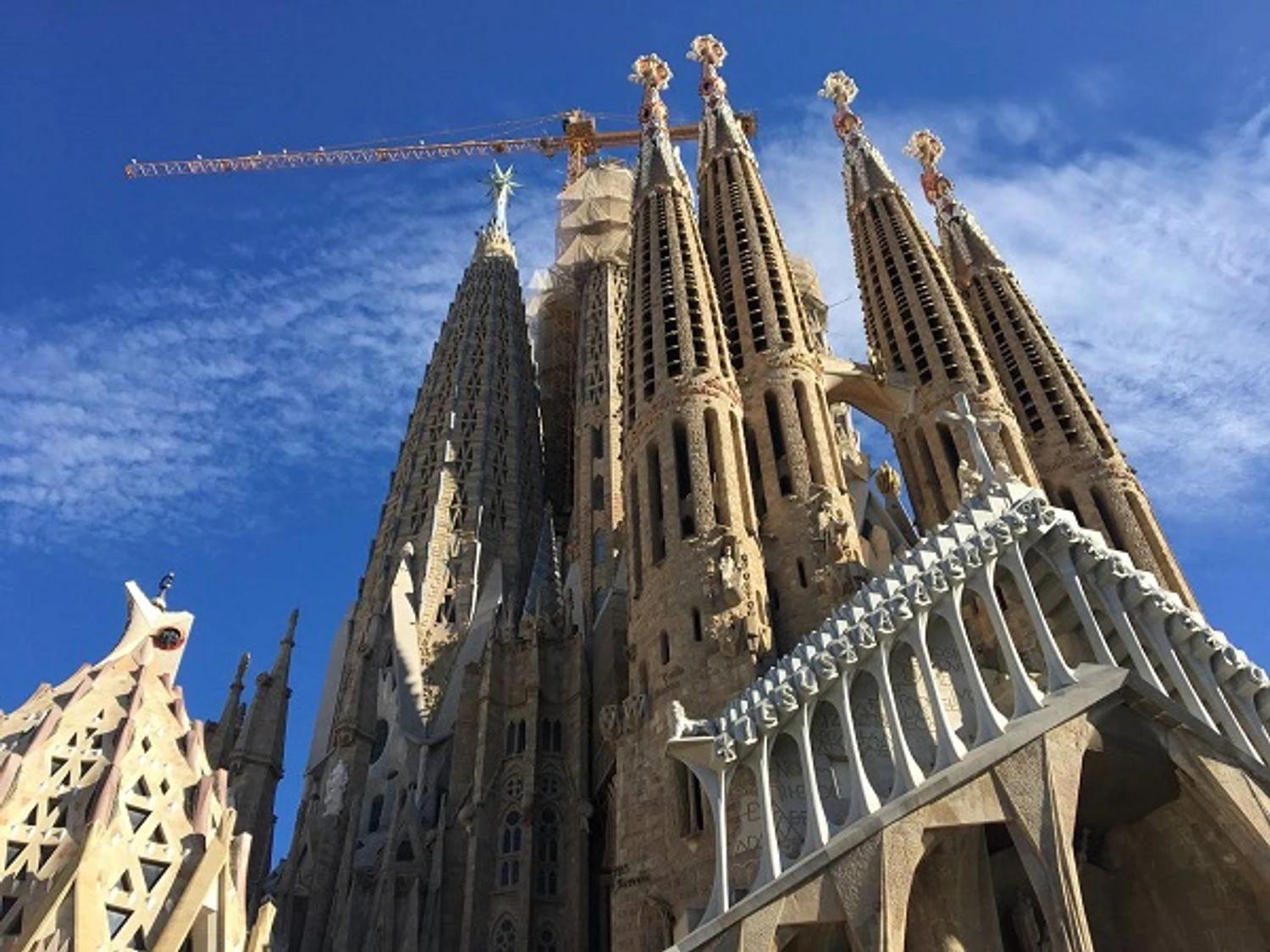
Installation of the first cross segment on the central tower raised height to 162.91 meters Sagrada Familia surpassed Germany’s Ulm Minster, previously tallest church at 161.53 meters
11 outlets told this the same way.
Sagrada Família Tower Update
Barcelona’s Sagrada Família is now the world’s tallest church after workers installed the first section of the cross atop the central Tower of Jesus Christ. This installation lifted the structure to 162.91 meters, overtaking Germany’s Ulm Minster. Reports specify that the newly placed piece is the lower arm of the cross and mark this as the start of the tower’s final construction phase.
“The Sagrada Familia basilica in Barcelona has become the world’s tallest church after a cross segment was installed on its Tower of Jesus Christ, raising its height to 162.91 metres—surpassing the previous record held by the Ulm Minster in Germany by 1.41 metres.”
Outlets note slightly different end-goal figures for the finished tower, ranging from 172 to 172.5 meters once the full cross is added. Some sources also provide precise comparative measurements against Ulm Minster and the exact date of this milestone.
Details of Basilica Cross Installation
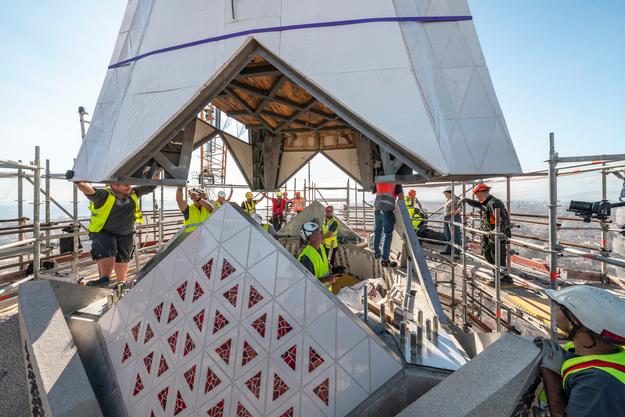
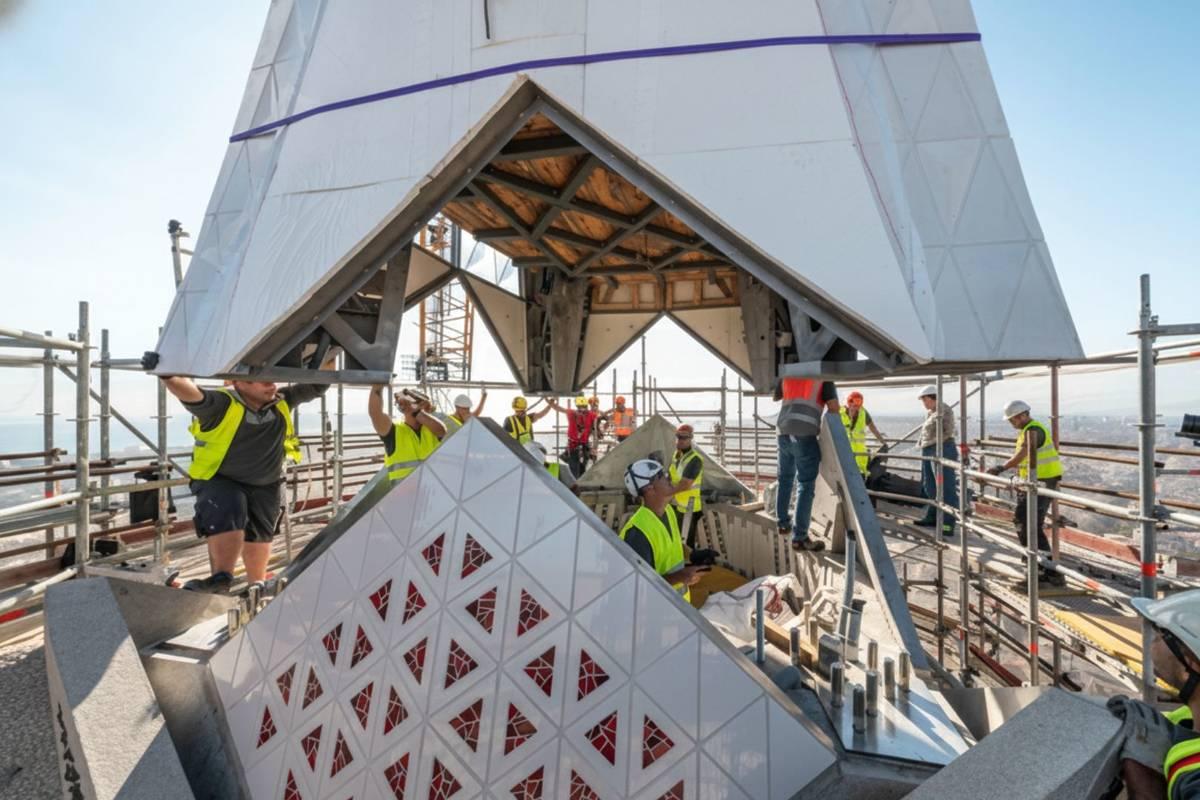
Technical details from several outlets emphasize what was installed and what comes next. The newly placed lower arm of the cross is 7.25 meters long and weighs about 24 metric tons, delivered in four parts. The completed cross is set to measure 17 meters tall by 13.5 meters wide with a steel structure clad in white glazed ceramic and glass.
Once finished, the cross will be accessible to the public for panoramic views. The first lift of this section was executed by crane above the basilica’s main body.
History of Sagrada Família Construction
The milestone caps nearly a century and a half of construction shaped by setbacks and renewed momentum. Construction began in 1882 and proceeded slowly. Gaudí died in 1926 with only one tower completed.
“The basilica's construction began in 1882, and Antoni Gaudí, its architect, did not expect it to be completed during his lifetime; only one tower was finished when he died.”
Sources point to losses during the Spanish Civil War and even Covid-19-related delays as factors. Building has accelerated in recent decades due to tourism-backed funding.
Funding and Visitors Overview
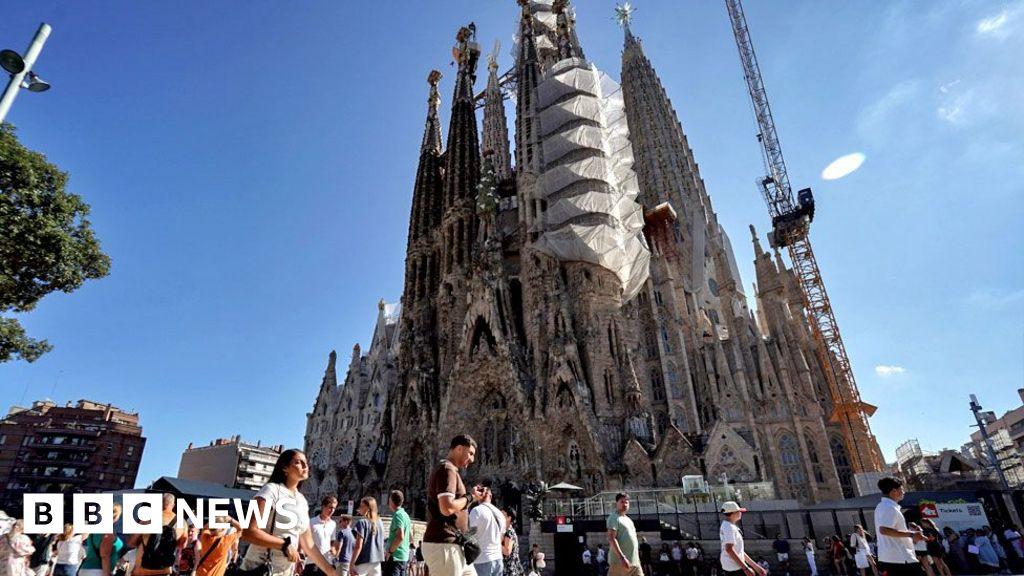
Tourism finances the ongoing work on the basilica. Last year, there were about 4.9 million visitors, with 15% coming from the United States. Ticket revenues are central to sustaining construction on façades and interiors.
This income is complemented by donations and private contributions. This funding model supports the current momentum toward completion. However, finishing the basilica will still take several more years.
Completion and Commemoration Timelines
Timelines for final completion and centenary commemorations vary across reports. Western mainstream outlets like DW and Euronews say the site is expected to be finished within about a decade.
“Church officials expect full completion of the site within the next decade.”
The Star states the entire project aims to be completed by 2026 to coincide with the 100th anniversary of Gaudí’s death. Multiple outlets also note commemorative events for the centenary—some specifying 2026, others phrasing it as “next year.”

Media Coverage on Sagrada Família
Media coverage styles diverge notably. WION (Western Alternative) mentions the Sagrada Família record in a multi-topic roundup that also includes political stories and crime news. Brussels Signal (Other) provides deep technical detail about the cross’s dimensions, materials, and future public access.
Euronews (Western Mainstream) foregrounds tourism’s role in accelerating construction. Українські Національні Новини (Western Mainstream) similarly ties progress to ticket revenues while adding unrelated local-interest context about Paris’s Seine River reopening for swimming.