
Business · 04 August, 2026 · 3 min read
Base Power Raises $1 Billion Series D, Launches Austin-Made Base Core Home Battery
Base Power raises $1 billion in Series D at a $13 billion valuation. Launches Base Core, a U.S.-made home battery produced in Austin.
Who Base Power’s founder (Michael Dell) is and whether he participates.
8 of 10 outlets skipped it: base Core is approved and certified under UL and IEEE standards.
10outlets compared
Same story, two versions
tap a side to read it in full
The Independent
“Michael Dell, who recently made headlines for donating $6 billion to President Donald Trump’s “Trump Accounts,” is not a backer.”Read the original ↗
The Independent spotlights Michael Dell’s Trump donation; TechCrunch focuses on non-participation.
$1B Series D for Base
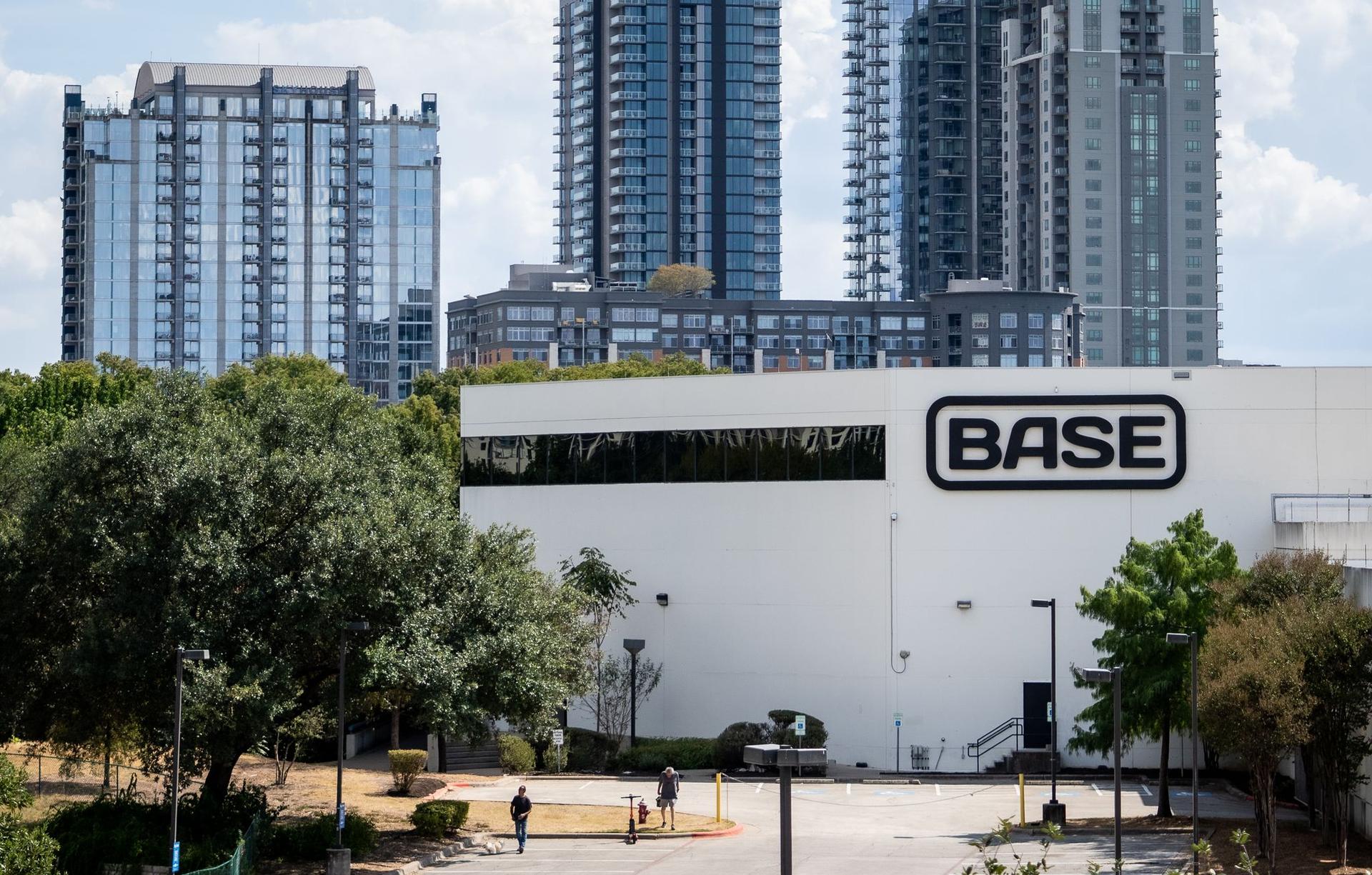
Energy startup Base Power said it raised $1 billion in Series D financing at a $13 billion post-money valuation and began producing its Base Core home battery at its Austin, Texas manufacturing facility. Mercom Capital Group reported that Base Power has raised over $2.5 billion in capital to date and said the new funding will go toward bringing Base Core to more homes, expanding nationally, and recruiting employees. The company said Base Core is available in two configurations, offering either 39.2 kWh or 78.4 kWh of energy storage for residential customers in Texas and Illinois.
Reuters said production of the new home-battery system has begun at Base Power's Austin facility, which is manufacturing thousands of units per month, and that the system can be installed in under an hour, withstand extreme weather, and provide extended outage protection. The Austin American-Statesman added that Base Power, founded in 2023 and led by Zach Dell, announced the launch of Base Core designed to support the power grid, with the new batteries in production at its manufacturing site in Austin.
Backers, specs, and deployment
Mercomindia said the Series D round was led by Ribbit, Addition, Valor Equity Partners, and JPMorganChase’s Strategic Investment Group, with Altimeter, D1 Capital Partners, Sands Capital, Coatue, Layer Global, and Energy Impact Partners also participating. In a statement carried by pv magazine USA, CEO Zach Dell said, “We brought together the best hardware and software engineers in the world to build Core – a battery designed to protect American homes while supporting the grid,” and the company said it installs in under an hour. pv magazine USA reported that Base Core is designed to withstand extreme temperatures of -22° F to 122° F (-30° C to 50° C) and that Base estimates the 39.2 kWh battery can provide a home with 36 hours of backup power in an outage.
TechCrunch said Base Power is installing about 100 batteries per day and hopes to double that by the end of the year, while also describing the company’s subscription approach in deregulated markets. TReuters said Base Power has entered into partnerships with utilities including El Paso Electric, Austin Energy and CoServ, which together represent over 200 megawatts of capacity, and that the company has deployed more than 500 megawatt-hours of battery capacity across its fleet.

Grid reliability and next moves
The Independent said Base Power plans to build and install tens of thousands of batteries in residential backyards as AI data centers increase demand for power grids, and it described the company as a retail power provider that can feed energy to the grid during high demand or provide backup power during outages. TReuters framed the timing around surging electricity demand, saying U.S. electricity demand — which hit record levels in 2025 — is set to rise further and that expanding AI use is spurring the need for energy storage to help stabilize the grid. The Austin American-Statesman reported that Base Power became available to Austin Energy customers last month after receiving more than $4 million in incentives from the city, and said the contract could provide Austin Energy access to as much as 40 megawatts of distributed battery capacity.
Mercom Capital Group said Antora Energy raised $550 million in an oversubscribed Series C co-led by G2 Venture Partners and Eclipse, while Zenobē acquired Bavaria-based battery energy storage developer sdp energie and said the acquisition is expected to gain access to a 1.75 GW pipeline across six sites in Germany. The Guardian’s coverage of European supply-chain scrutiny was not part of Base Power’s story, but it did underscore how battery and energy projects are being evaluated through oversight mechanisms, while Base Power’s own next step is scaling Base Core production at its Austin facility and expanding beyond its two current state markets.