Africa17 April, 20266 min read
Bellarmine Mugabe Pleads Guilty To Pointing A Firearm In Johannesburg
This article is an automated aggregation of coverage from news outlets. Our editorials offer in-depth analysis curated by the NewsCord team.
Bellarmine Mugabe pleaded guilty to pointing a firearm and illegal residency in South Africa. Arrest followed February shooting at his Johannesburg home.
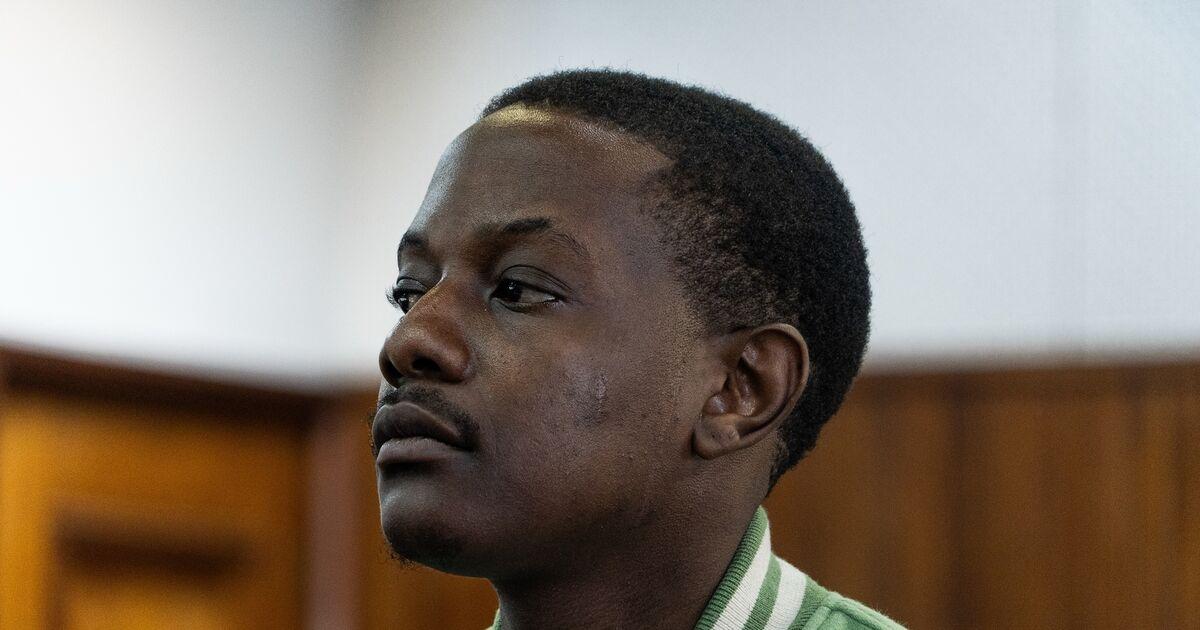
Guilty pleas in Alexandra
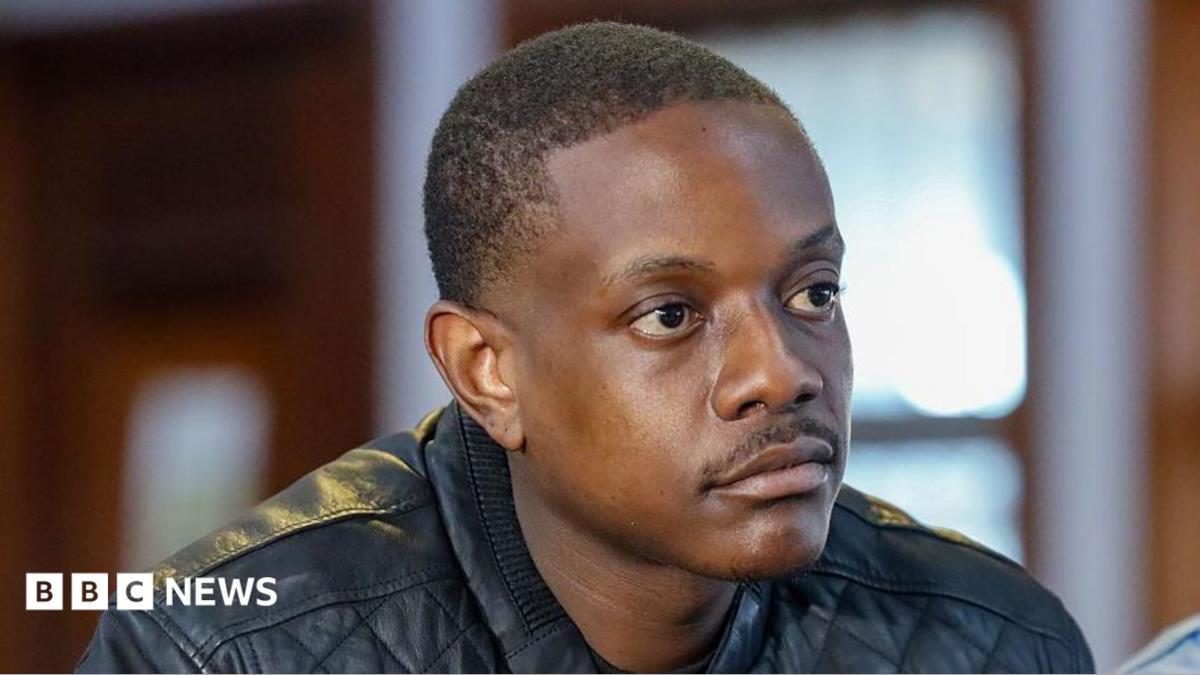
Bellarmine Mugabe, the youngest son of Zimbabwe’s late former leader Robert Mugabe, pleaded guilty in South Africa to pointing a firearm and illegally being in the country, after he was arrested in February following the shooting of a 23-year-old man at his home in Johannesburg. The BBC reported that Bellarmine Mugabe entered guilty pleas to two charges after he was held in custody alongside co-accused Tobias Matonhodze, and appeared at the court in Alexandra on Friday. The BBC said Mugabe, who was also previously charged with attempted murder, spoke only to confirm that he understood the charges and to enter his pleas.
Capital FM similarly reported that the 28-year-old was “held in custody alongside co-accused Tobias Matonhodze” and that he appeared at the court in Alexandra on Friday. Johannesburg Sunday World added that the case was heard at the Alexandra Regional Court after “several postponements,” and that Mugabe entered guilty pleas to charges including pointing a firearm and violating South Africa’s immigration laws.
The different outlets also described the same underlying incident: police were called to Mugabe’s home in the upmarket Johannesburg suburb of Hyde Park, and the victim was taken to hospital in a critical condition after he was shot. The BBC said the shooting followed a row between the three men inside the property and that the victim was shot twice in the back outside as he tried to flee, while the firearm had not been found by authorities.
What prosecutors said happened
Prosecutors and court reporting tied the guilty pleas to a specific sequence of events around Robert Mugabe’s son’s Johannesburg home, with details about the shooting and the missing weapon. The BBC said both men were arrested on 19 February after police were called to Mugabe’s home in the upmarket Johannesburg suburb of Hyde Park, and it described the victim as “believed to be a security guard,” taken to hospital in a critical condition after he was shot. The BBC also reported that prosecutors told the court the shooting followed a row between the three men inside the property, and that the victim was shot twice in the back outside as he tried to flee.
It added that authorities conducted a search of the home and “have yet to find the gun,” while the case faced delays including postponements of bail proceedings. Johannesburg Sunday World described the victim as a 23-year-old gardener who was shot and later admitted to hospital, and it said the matter was postponed to April 24 to ascertain whether the victim, “now known as Sipho Mahlangu,” was compensated and to get details on where the firearm that was used is.
Blueprint Newspapers and Vanguard both framed the guilty plea as involving a separate incident in which Bellarmine Mugabe denied shooting and badly wounding his gardener after an altercation, while still pleading guilty to being in South Africa illegally and pointing a gun. Across the reporting, Matonhodze’s plea was central: the BBC said he pleaded guilty to attempted murder, defeating the ends of justice, illegal immigration and possession of ammunition, and it noted that after Matonhodze admitted it was him, the charges of attempted murder against Mugabe were dropped.
Defense arguments and mitigation
Court reporting emphasized that the guilty pleas did not end the legal process, and it highlighted the defense’s position on sentencing and responsibility. The BBC said sentencing proceedings were postponed to 24 April, and it described that the case had faced several delays and that Bellarmine Mugabe’s bail hearing was postponed twice. Johannesburg Sunday World reported that Mugabe’s legal representative, Adv Laurence Hodes, presented arguments in mitigation of sentence and told the court that his client is willing to pay a fine and is seeking a non-custodial sentence.
It added that Hodes told the court that Mugabe is prepared to cover the costs of his own deportation to Zimbabwe, and it described the defense request for suspended sentences for both accused as a “sufficient warning.” Blueprint Newspapers quoted Mugabe’s counsel Sinenhlanhla Mnguni saying: “We had initially engaged with the state with the intention of finalising a plea and sentencing agreement but those discussions collapsed at the last minute.”
Blueprint also recorded Mnguni dismissing suggestions that Matonhodze was taking the fall for Mugabe, calling the claims “very ludicrous.” The BBC also included a key prosecutorial explanation for the change in charges: it said after Matonhodze admitted it was him, “the charges of attempted murder against Mugabe were dropped.”
Different outlets, different emphases
While all the outlets describe the same guilty pleas and the same court appearance in Alexandra, they differ in what they foreground—particularly around the shooting allegation, the identity of the victim, and the status of the weapon. The BBC focused on the legal mechanics of the case, saying it wasn’t initially clear who had fired the gun and that after Matonhodze admitted it was him, “the charges of attempted murder against Mugabe were dropped.” Capital FM largely mirrored the BBC’s core facts, stating that Bellarmine Mugabe pleaded guilty to pointing a firearm and illegally being in South Africa and that he was held in custody alongside Tobias Matonhodze.
Johannesburg Sunday World, however, emphasized mitigation and the defense’s sentencing posture, reporting that Adv Laurence Hodes presented arguments in mitigation and sought a non-custodial sentence while also requesting suspended sentences for both accused. Blueprint Newspapers and Vanguard both included a more detailed narrative of Bellarmine Mugabe’s denial, saying he “denied shooting and badly wounding his gardener after an altercation,” even as he pleaded guilty to pointing a gun and being in South Africa illegally.
The outlets also differed in how they described the firearm’s status: the BBC said authorities “have yet to find the gun,” while Blueprint and Vanguard said the firearm “has not been recovered since the two were arrested on February 19.” Finally, the reporting diverged on the procedural framing of the next step: the BBC said sentencing was postponed to 24 April, while Johannesburg Sunday World said the matter was postponed to April 24 to ascertain whether the victim was compensated and to get details on where the firearm was used.
Prior brushes with the law
The guilty pleas in Alexandra also sit within a broader pattern of legal trouble described by the BBC, which recounted arrests involving Bellarmine Mugabe in Zimbabwe. The BBC said this was “not the first time Mugabe has had a brush with the law,” and it reported that in 2024 he was arrested for allegedly assaulting a police officer in the Zimbabwean border town of Beitbridge. The BBC said he was given bail but that a warrant for his arrest was later issued after he failed to appear in court, citing Zimbabwe’s state-run Herald newspaper.
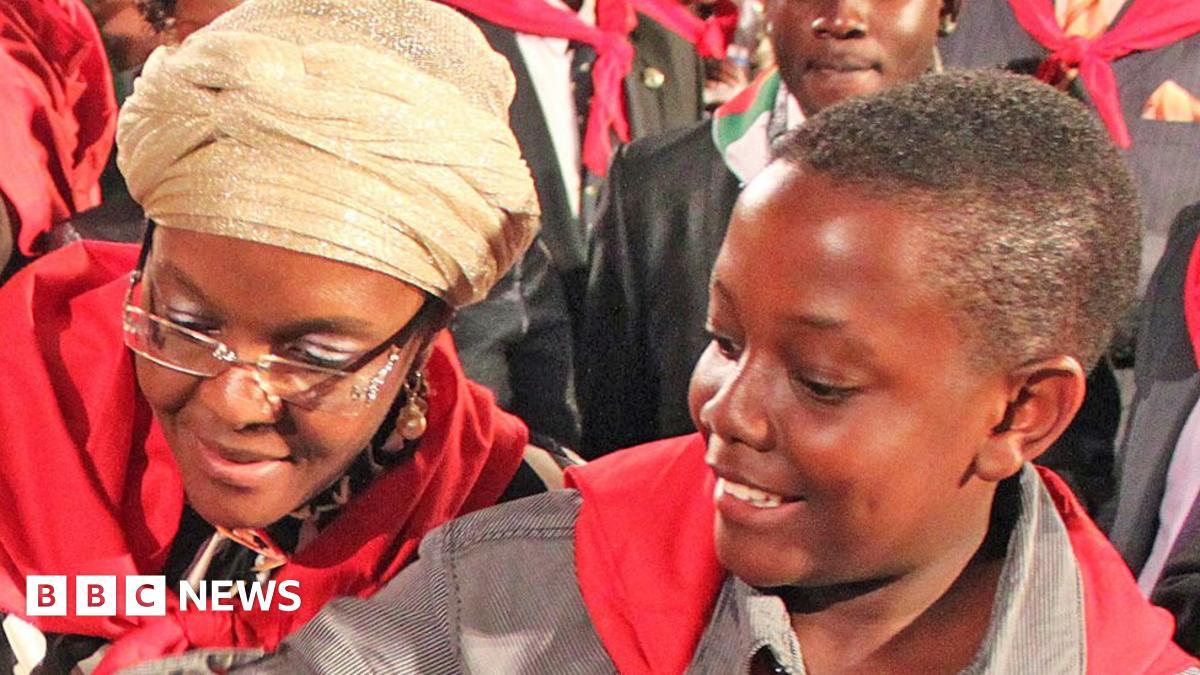
The BBC then reported that “A year later in June,” he was again arrested for assaulting a security guard at a mining site in Mazowe, an hour's drive north of the capital, Harare, and it said that case remains ongoing. Blueprint Newspapers and Vanguard both tied Bellarmine Mugabe’s identity to his family background, describing him as one of two sons Robert Mugabe had with his second wife Grace, and they said the brothers have at times lived in Johannesburg.
%2Ffile%2Fattachments%2Forphans%2F6A70E015-27E6-45D0-9FF9-C370C1727C0F-IMG_7341_322327.jpeg&w=1920&q=75)
Looking ahead, the next court date is set for April 24, with the BBC saying sentencing proceedings were postponed to 24 April and Johannesburg Sunday World saying the matter was postponed to April 24 to ascertain compensation and firearm details. In the immediate term, the case’s outcome will hinge on sentencing and on what the court learns about the missing firearm and whether the victim has been compensated, as reflected in the defense’s push for non-custodial or suspended sentences and the prosecution’s earlier narrowing of charges against Bellarmine Mugabe.