Lebanonupdated 20m ago3 min read
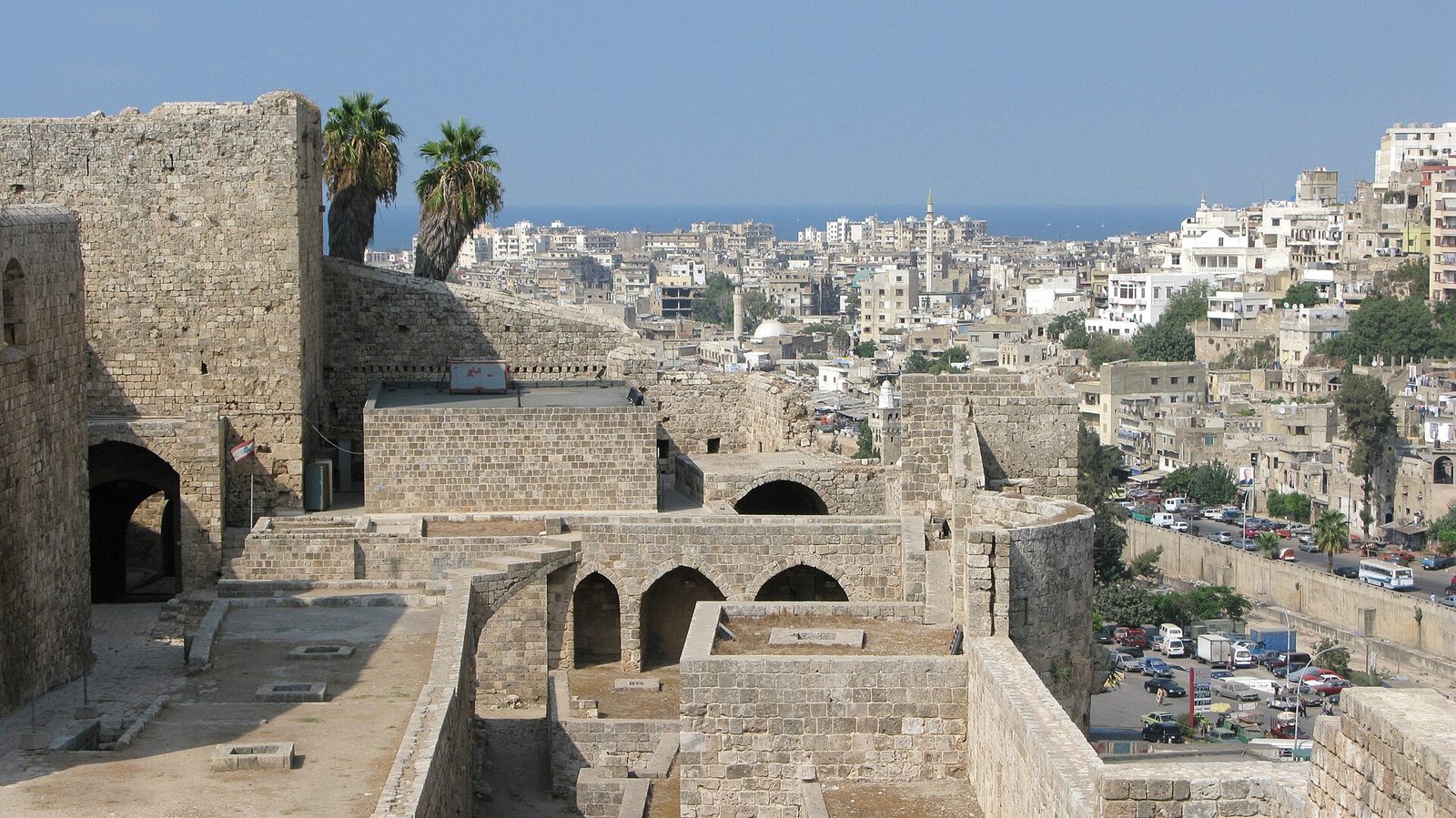
Archive photo · 8 September 2008Bilal Erdogan Visits Tripoli, Urges Lebanon Unity and Turkey as Sister to Lebanon
5 West AsianPhoto: © Vyacheslav Argenberg / http://www.vascoplanet.com/, CC BY 4.0 · Cropped for layout
This article is an automated aggregation of coverage from news outlets. Our editorials offer in-depth analysis curated by the NewsCord team.
Bilal Erdogan discussed strengthening Lebanon–Turkey cooperation and unity during the trip. Beirut reception highlighted elevated Turkish influence and a high-profile official visit.
Save coverage image
5 outlets in this story. Read their headlines below.
Tripoli unity message
Bilal Erdogan, the son of Turkish President Recep Tayyip Erdogan, visited Tripoli and began his tour at al-Tal Square, where he inspected the Sultan Abdul Hamid Clock Tower. Bilal Erdogan then toured Tripoli’s old souks and visited Salam al-Sibai, one of Sultan Abdul Hamid’s granddaughters, before moving to the Grand Mansouri Mosque where he was received by Mufti of Tripoli and the North Sheikh Mohammad Imam and Mayor of Tripoli Abdul Hamid Karimeh. Bilal Erdogan told the gathering that “We need Lebanon to be united internally,” and he said Turkey should be “a sister to Lebanon,” along with Syria.
Bilal Erdogan also said “the bonds of brotherhood among all Muslims must be extremely cohesive for the sake of the region's renaissance,” as he linked the visit to regional developments in Syria, Turkey, and the West. Bilal Erdogan said he found “this is the appropriate time to visit the city of Tripoli,” after developments and problems in the region during the past ten years in Turkey made it difficult to visit earlier.
Meetings in Beirut
Bilal Erdogan made a three-day tour in Beirut on Thursday, and a report by al-Monitor described the visit as carrying “major political and strategic dimensions” beyond cultural and economic character. Bilal Erdogan met Lebanese President Joseph Aoun in Baabda, and the report said Aoun expressed Beirut’s desire to broaden bilateral cooperation in investment, reconstruction, trade, tourism, and infrastructure. Bilal Erdogan also met Prime Minister Nawaf Salam, Speaker of Parliament Nabih Berri, and Grand Mufti Abd al-Latif Derian, and he visited the Akkar region and Tripoli as part of his schedule.
Bilal Erdogan affirmed Turkey’s steadfast support for the Lebanese people and its backing of the official authorities’ efforts to assert state sovereignty through the army over the entire Lebanese territory, while Ankara condemned Israeli attacks and the growing military presence in southern Lebanon. Bilal Erdogan told the Grand Mufti Abdul Latif Derian at Dar al-Fatwa that the visit aimed to reaffirm Turkey’s support for Lebanon, and he described the greetings as coming from President Recep Tayyip Erdogan.
Economic ties and influence
A report highlighted that Turkish exports to Lebanon reached 1.17 billion dollars, while imports in 2025 were 132 million dollars, as Bilal Erdogan’s tour coincided with Lebanon’s Parliament approving the 2022 Military-Financial Cooperation Agreement worth 100 million Turkish lira. Bilal Erdogan’s visit also included cultural stops, including the opening of the “Traditional Turkish Archery Exhibition” at the Yunus Emre Institute in Beirut and visits to Turkish language classrooms at the Institute. The Grand Mufti Abdul Latif Derian praised Turkey’s stance beside Lebanon during crises and said Turkey’s support strengthens the resilience of the Lebanese people, while Bilal Erdogan described Lebanon as a beautiful country and invited Lebanese people to unite among themselves.
A separate account described Bilal Erdogan as chairman of the Board of Trustees of the “Spread Knowledge” Foundation and said he was awarded a commemorative medal in the Dar al-Fatwa, performed the prayer, and voiced a message of love to the Lebanese people. The same account said Turkey’s interest included developing facilities such as the Port of Tripoli and the Qulayyat Airport, within a vision to connect railways and trade corridors between Turkey and Gulf states via Syrian and Lebanese territory.