Pakistanupdated 26m ago2 min read
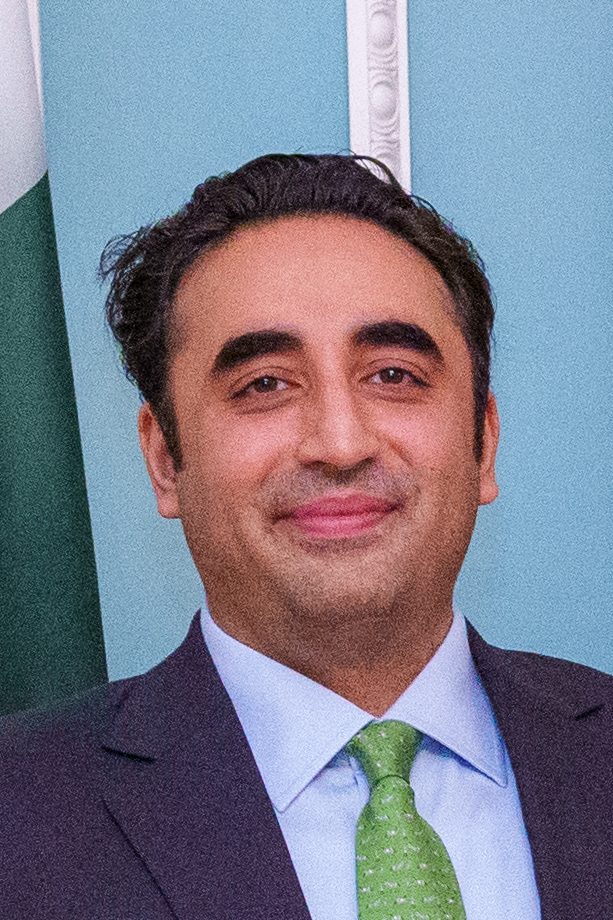
Archive photo · 21 December 2022Bilawal Bhutto Warns Forcibly Dividing Sindh Could Trigger Bloodshed in Karachi
4 Asian1 OtherPhoto: State Department photo by Ron Przysucha - U.S. Department of State from United States / US federal government, Public domain · Cropped for layout
This article is an automated aggregation of coverage from news outlets. Our editorials offer in-depth analysis curated by the NewsCord team.
Bilawal warns forcible division of Sindh could trigger bloodshed in Karachi. Proposal to create new provinces faces PPP opposition.
Save coverage image
5 outlets in this story. Read their headlines below.
Bilawal warns of Karachi bloodshed
Bilawal Bhutto-Zardari warned that forcibly dividing Sindh could trigger bloodshed in Karachi as Pakistan debates creating additional provinces. Bilawal said, "If Sindh is forcibly divided, questions will be asked about the blood that will flow on the streets of Karachi," and he added, "I don't want to see that bloodshed." Interior Minister Mohsin Naqvi floated a proposal to explore creating new provinces through a referendum, and the controversy became a political flashpoint within the ruling coalition.
The debate also drew attention to who discussed the plan, as Bilawal questioned why it was being discussed without consulting his party or his father, President Asif Ali Zardari. The dispute sits inside a broader argument about administrative restructuring, with supporters saying smaller units could improve governance while the PPP opposes breaking up Sindh, a province it has governed since 2008.
Referendum vs constitutional process
Pakistan’s Interior Minister Mohsin Naqvi proposed a referendum on November 12 to establish whether people wanted additional provinces, and the plan became contentious because Bilawal questioned its constitutional basis and lack of consultations. Bilawal told the Karachi Press Club that the PPP was not opposed to creating provinces in principle, but he said the party was opposing "over force and coercion" and insisted, "We do not want division through force." Punjab Assembly Speaker Malik Muhammad Ahmad Khan urged political parties to debate creation of new provinces, saying the constitutional authority rested with assemblies but public opinion could not be ignored.
Malik said the Constitution provided a mechanism for seeking public opinion through a referendum under Article 48, and he argued that discussing the creation of new provinces was neither unconstitutional nor a taboo subject. Malik also said, "If you are looking for an unconstitutional method, how can the PPP be with you?" while framing the referendum as a way for people to express their views under Article 48.
Coalition tensions and stakes
The proposal has exposed differences within the ruling coalition, with Bilawal questioning whether Prime Minister Shehbaz Sharif had enough authority to control his ministers while the PPP remained an important ally with 74 members in the National Assembly. The Dynamite News account said the PPP’s opposition is rooted in Sindh’s political importance to the party and Karachi’s economic significance, and it cited Karachi’s estimated contribution of around 20% of Pakistan’s GDP. The same account said Karachi Port and Port Qasim handle around 54% of Pakistan’s trade, and it warned that separating Karachi from Sindh or creating a new province around the city could shift economic and political influence.
The Express Tribune reported that Malik Muhammad Ahmad Khan argued the constitutional authority to establish new provinces rested with assemblies, while he said a referendum could not be declared unconstitutional because it was part of the Constitution framed under the leadership of Zulfikar Ali Bhutto. The Times of India said the proposal gained support from senior figures including army chief Asim Munir and defence minister Khawaja Asif, while it faced opposition from political parties particularly over the possible division of Sindh.