Otherupdated 1h ago2 min read
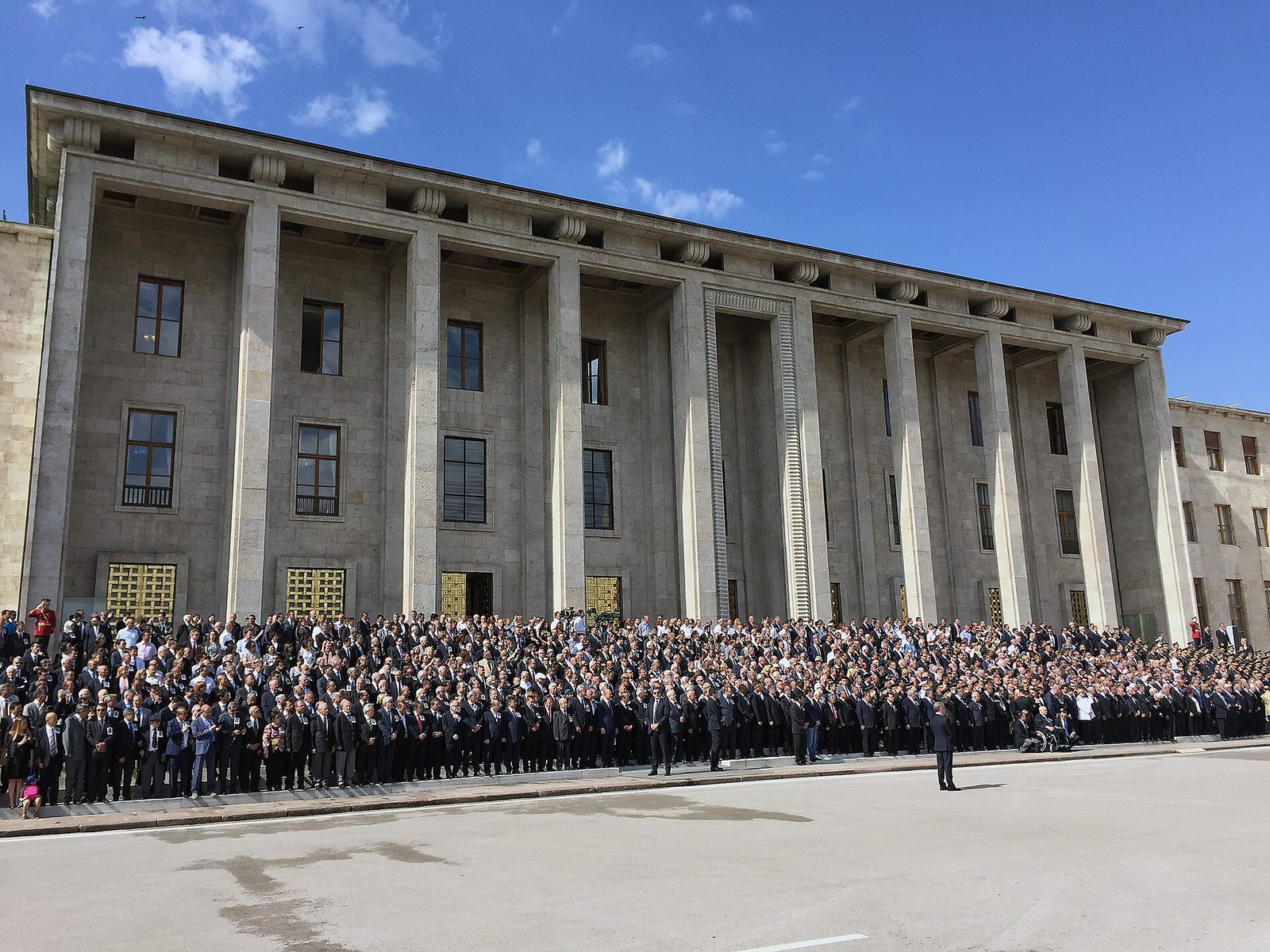
Archive photo · 1 August 2022Turkiye’s Parliament Ratifies Mecca Joint Defense Agreement With Pakistan and Saudi Arabia
“insist that the agreement is defensive”
“critics have raised questions about whether the country’s government might face a conflict”
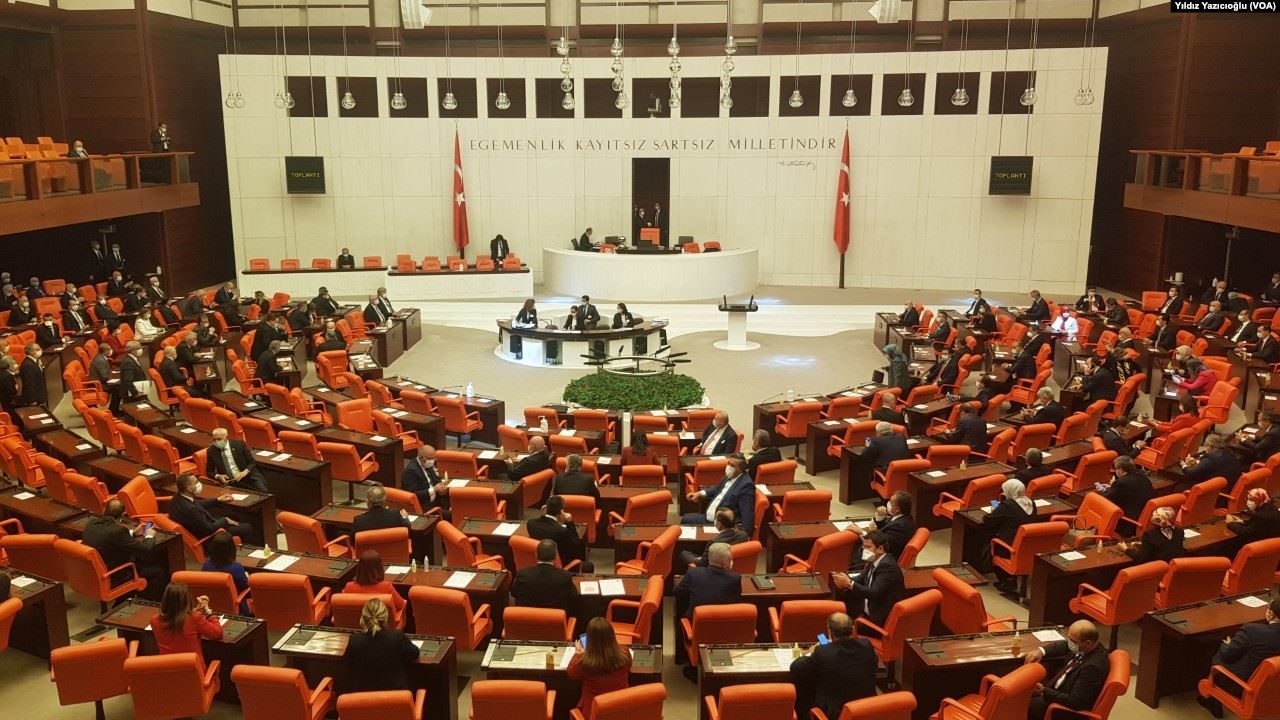
Photo: Yıldız Yazıcıoğlu / US federal government, Public domain · Cropped for layout
This article is an automated aggregation of coverage from news outlets. Our editorials offer in-depth analysis curated by the NewsCord team.
Turkish Parliament ratified the Mecca Defense Agreement with Pakistan and Saudi Arabia. The pact includes a collective defense clause obligating mutual aid during attacks.
Save coverage image
Ratification Clears the Way
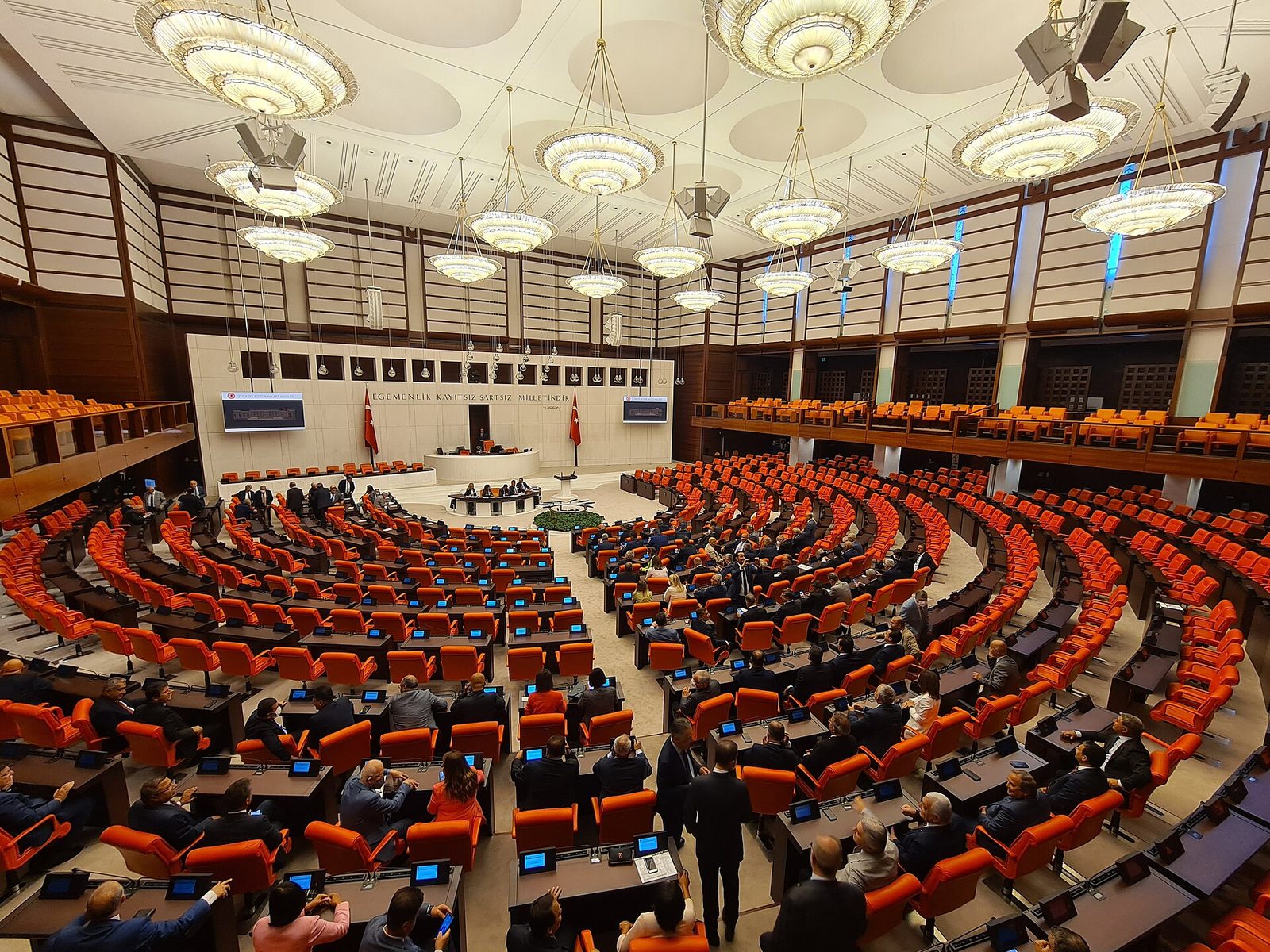
Turkiye’s parliament approved a bill ratifying the “Mecca Joint Defense Agreement” among Türkiye, Pakistan and Saudi Arabia, with the General Assembly approving the bill by a vote of 279 to 119 in the 600-seat parliament.
Turkiye’s parliament approved the bill on Thursday, and the pact was signed in Mecca on Aug. 7 by Turkish President Recep Tayyip Erdoğan, Saudi Crown Prince Mohammed bin Salman, and Pakistani Prime Minister Shehbaz Sharif.
The agreement provides that an armed attack on any signatory is to be considered an attack against all three, and it also provides for closer military cooperation, intelligence sharing, collective deterrence, and cooperation in the defense industry.
The agreement also states that the collective-defense provision does not automatically trigger military deployment, and it says any military assistance would be determined through consultations and in accordance with each country's constitutional and legal procedures.
Debate, Conditions, and Troops
Opposition lawmakers warned during Thursday’s parliamentary debate that the agreement could embroil Turkey in regional wars and put Turkish soldiers in harm’s way, and Murat Emir said, “They brought this agreement to send Turkish soldiers to the deserts of Yemen.” Fuat Oktay said Turkey would “not be drawn into an uncontrolled process against its will,” and he added that deployment of troops would only be possible with future parliamentary approval.
Turkiye’s Defence Minister Yasar Guler said Turkey does not envisage its troops engaging in combat or offensive operations against the Houthis, and Turkish media reported Guler as saying, “We absolutely do not foresee entering into any conflict with the Houthis.” The pact’s text, as described in the Reuters-seen document, says “In the event one of the parties is subjected to an armed attack or military aggression,” the parties shall immediately provide assistance under mutual assistance measures.
Next Steps and Regional Stakes
The agreement commits the three countries to regard an attack against one as an attack on all three, and it frames practical steps for a regional security architecture through deterrence and joint defense. The three countries agreed to establish a secretary-general-headed secretariat in Saudi Arabia, with the first phase led by a secretary-general from Pakistan for three years, and the secretariat is intended to support the three countries’ work within the agreement.
Turkish Foreign Minister Hakan Fidan said the agreement will lead to greater stability and prosperity and reduce regional uncertainty, and he described the process as “a historic step.” Turkiye’s parliament ratification also left open whether Turkish troops would be deployed to Saudi Arabia amid the Houthi attacks, and the sources say any Turkish troop deployment would require other legislative processes.