Iranupdated 1h ago2 min read
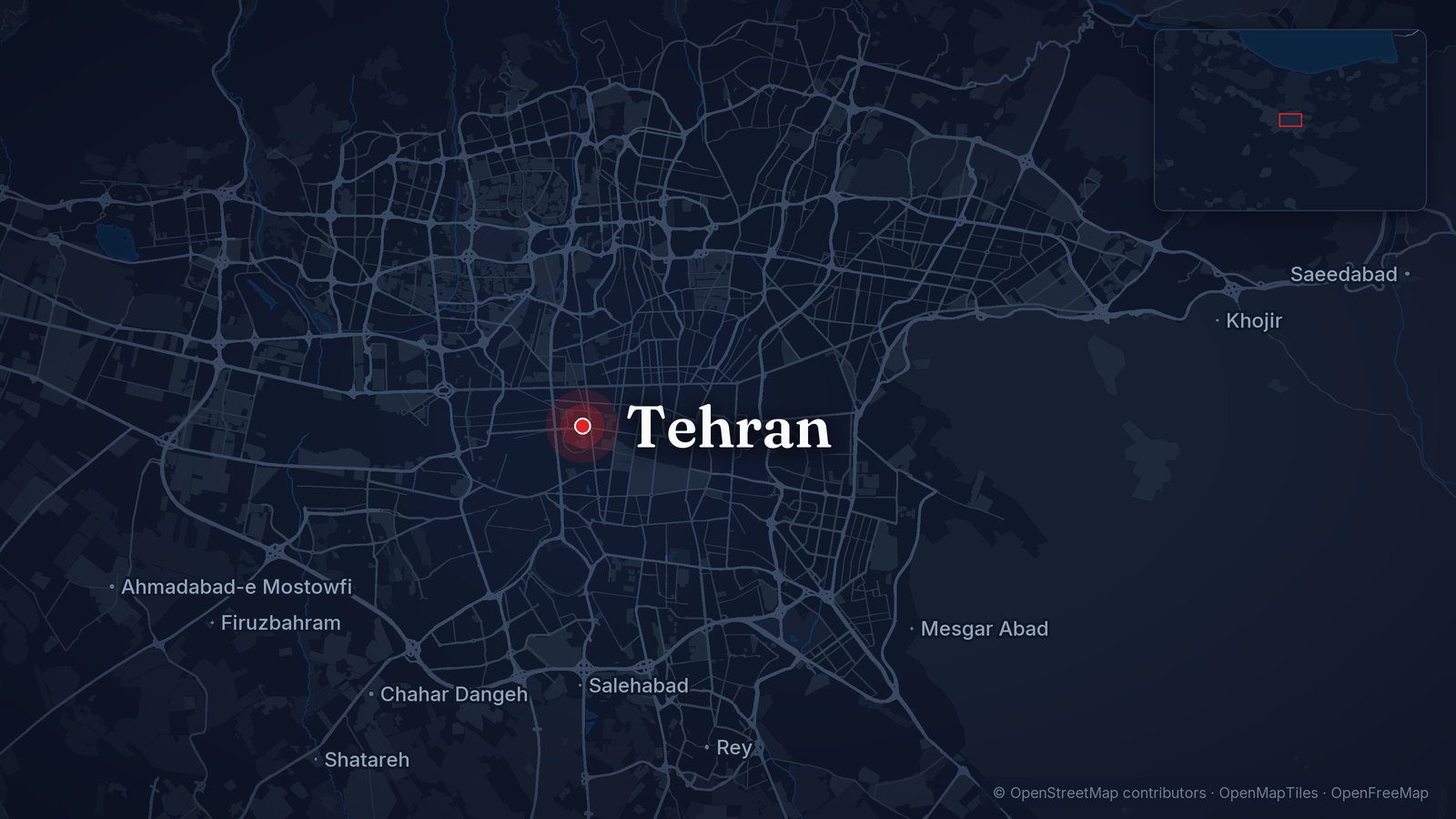
MapMohsen Rezaei Hosts Iran, Saudi Arabia, Pakistan, Turkey Talks In Tehran On Regional Security
6 Other6 West Asian3 Western Alternative7 Other source typesMap: © OpenStreetMap contributors, ODbL · Cropped for layout
This article is an automated aggregation of coverage from news outlets. Our editorials offer in-depth analysis curated by the NewsCord team.
Tehran quadrilateral talks among Iran, Saudi Arabia, Pakistan, Turkey to continue regional security dialogue. Aimed to de-escalate tensions and deepen regional peace cooperation.
NBC News was read line by line by the Watchdog: 3.0. See the score →
Tehran Four-Party Talks
Iran’s Supreme National Security Council secretary Mohsen Rezaei hosted a quadrilateral meeting in Tehran on Monday, October 26, 2026, bringing together Iran, Saudi Arabia, Pakistan, and Turkey to discuss regional stability and the aftermath of recent conflicts. Iranian Foreign Minister Seyed Abbas Araghchi said in an Instagram post that the Tehran meeting with defense and security officials from Iran, Turkey, Saudi Arabia, and Pakistan provided a valuable opportunity to advance dialogue on regional peace and security.
“The first-ever quadrilateral meeting of the four nations was hosted by Tehran on Monday, October 26, 2026.”
Iran’s foreign ministry framing emphasized that sustainable security must be ensured through regional countries’ participation without military presence or intervention by extra-regional powers, and the same line appeared in other coverage of the talks. A former Iranian diplomat told ISNA that the Tehran summit could help defuse tensions and shape a new regional security architecture, provided cooperation continues and yields practical results.
De-escalation and Yemen
The BBC reported that Iran, Saudi Arabia, Pakistan, and Turkey agreed to continue discussions to deepen cooperation in the fields of regional peace and security after a meeting of senior military and security officials in Tehran. Mohsen Rezaei told state television that the meeting dealt with regional security and stressed that their countries must take responsibility for achieving it away from foreign interference, while the BBC described the talks as occurring amid fears of renewed war.
The Guardian said Gulf states’ plans to avert what they regard as a disastrous renewal of war between Iran and the US centered on a multipronged peace deal involving reopening the strait of Hormuz within four days of sanctions being lifted and for the Houthis to withdraw substantial forces inside Yemen. Dr Ali Bagheri, the deputy secretary of Iran’s national security council, said Iran was willing to reduce its proposal that the strait reopen seven days after economic sanctions are lifted to four days.
Regional Security Architecture Stakes
Oman’s foreign minister Badr Albusaidi said the exclusion of Iran from regional security arrangements was a fundamental mistake and argued that a security structure in the Persian Gulf that does not include Iran is inherently unstable and structurally defective.
Al-Busaidi also said he believed the US administration understood the direction the region is heading, adding, "I think if Iran is fully re-engaged in this idea of having all of us, eight countries at peace with the rest of the world, the economic potential is going to be enormous for all of us in the region".
The BBC reported that U.N. Secretary-General Antonio Guterres said it is "essential to stop any escalation at any cost" in the Middle East, and the report added that the consequences of escalation would exceed the region’s borders.
In Tehran, Araghchi’s approach tied the talks to regional responsibility, while the Guardian described European diplomats’ view that allowing weapons inspectors to reenter Iran and visit bombed nuclear sites is a minimum requirement for a breakthrough with the US president.