Russiaupdated 1h ago3 min read
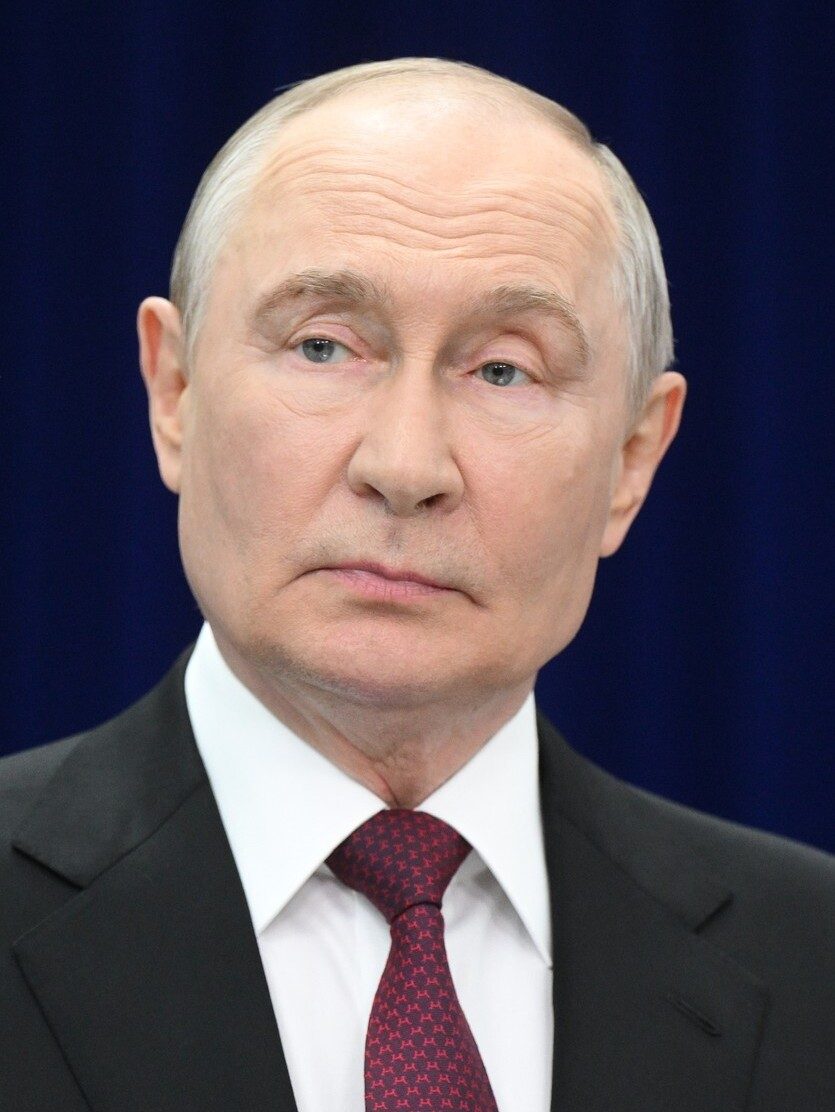
Archive photo · 2 September 2026Putin Praises Ayatollah Ali Khamenei, Urges GECF Members To Counter Unilateral Sanctions
5 Other2 West Asian1 AsianPhoto: Kremlin.ru, CC BY 4.0 · Cropped for layout
This article is an automated aggregation of coverage from news outlets. Our editorials offer in-depth analysis curated by the NewsCord team.
Putin praised Ayatollah Khamenei's role in establishing the Gas Exporting Countries Forum. Putin backed collective action against unilateral sanctions and US sanctions on Iran.
8 outlets told this the same way.
Outlets did split on Putin Opens Gas Exporting Countries Forum Summit in Moscow, Qatar Emir Backs Energy Security →
Tehran Times was read line by line by the Watchdog: 0.0. See the score →
Putin backs Khamenei
Russian President Vladimir Putin praised Ayatollah Seyyed Ali Khamenei’s role in establishing the Gas Exporting Countries Forum at its eighth summit in Moscow on Tuesday, October 27. Putin also welcomed Iranian President Masoud Pezeshkian’s remarks calling for collective action by GECF member states against unilateral sanctions, and Putin urged members to counter unilateral Western sanctions against energy-rich countries. Putin said the consequences of these sanctions affect gas consumers and producers, and he criticized European sanctions against Russia by saying that turning away from Russian energy resources damages Europe’s own industry and social sector.
Putin tied the argument to future demand and supply, saying that by 2050 global demand for gas will reach 5.5 trillion cubic meters per year and international supply will increase by about 1.5 times. Putin also said global gas consumption has grown, and he pointed to the need for countries around the world to adhere to environmental principles while warning against exploiting those principles for particular interests.
Pezeshkian targets sanctions
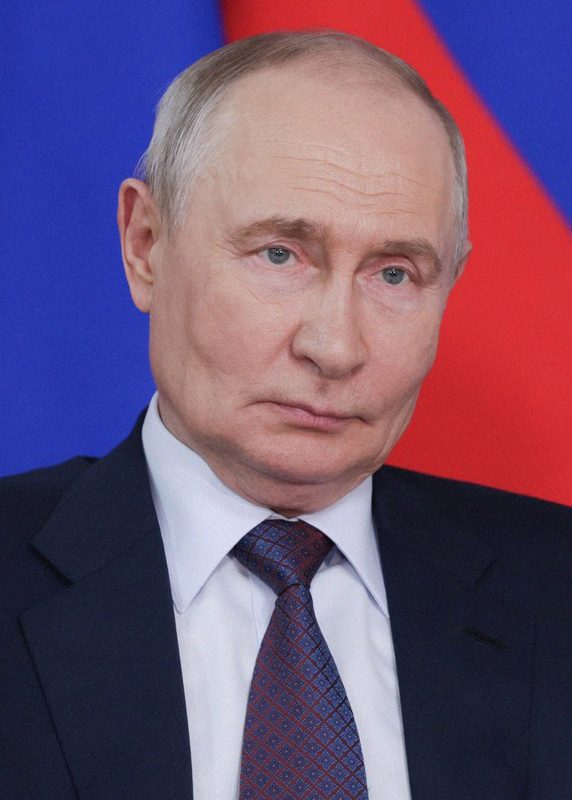
Iranian President Masoud Pezeshkian warned at the eighth GECF summit in Moscow that US unilateral sanctions and what he called “economic terrorism” against Iran threaten energy market stability. Pezeshkian condemned “The military aggression by the United States and the Zionist regime against the Islamic Republic of Iran” as a dangerous event against global security, saying it destroyed Iran’s energy facilities and disrupted energy transfer processes. Pezeshkian urged major global energy suppliers to condemn and effectively counter US military interventions in the Persian Gulf region, and he said those interventions disrupt energy pricing, supply, and transportation and jeopardize economic growth worldwide.
Pezeshkian also thanked Vladimir Putin and the Russian government for hosting the event, and he paid tribute to Ayatollah Seyyed Ali Khamenei for his role in supporting and strengthening the forum. Pezeshkian said Iran is a founding member of the GECF and the holder of the world’s second-largest proven natural gas reserves, and he said Iran has raised its natural gas production capacity to 280 billion cubic meters.
GECF strategy and numbers
Acting Oil Minister Hamid Bovard told members at the GECF ministerial meeting in Moscow that US military interventions, including in the Persian Gulf, and unilateral sanctions have undermined trust, investment security, and the predictability of global energy markets. Bovard said the Forum, founded in Tehran in 2001, must preserve its principles while reconfiguring priorities and cooperation mechanisms, and he proposed that the Secretariat study a roadmap to lift natural gas’s share of the global energy mix to 30 percent. Bovard also warned that reserves alone do not guarantee supply security and said meeting global needs through 2055 would require more than $12 trillion in upstream and midstream investment.
Pezeshkian told the GECF summit that despite years of sanctions, Iran increased its natural gas production capacity to 300 billion cubic meters, and he said Iran accounts for 70% of its energy mix and 95% of the population uses natural gas. Pezeshkian framed the sanctions and blockade as illegal actions that seriously threaten the stability of energy markets, and he said the GECF should focus on strategic governance and technical and engineering operations to strengthen market stability and expand gas trade.