Iranupdated 1h ago3 min read
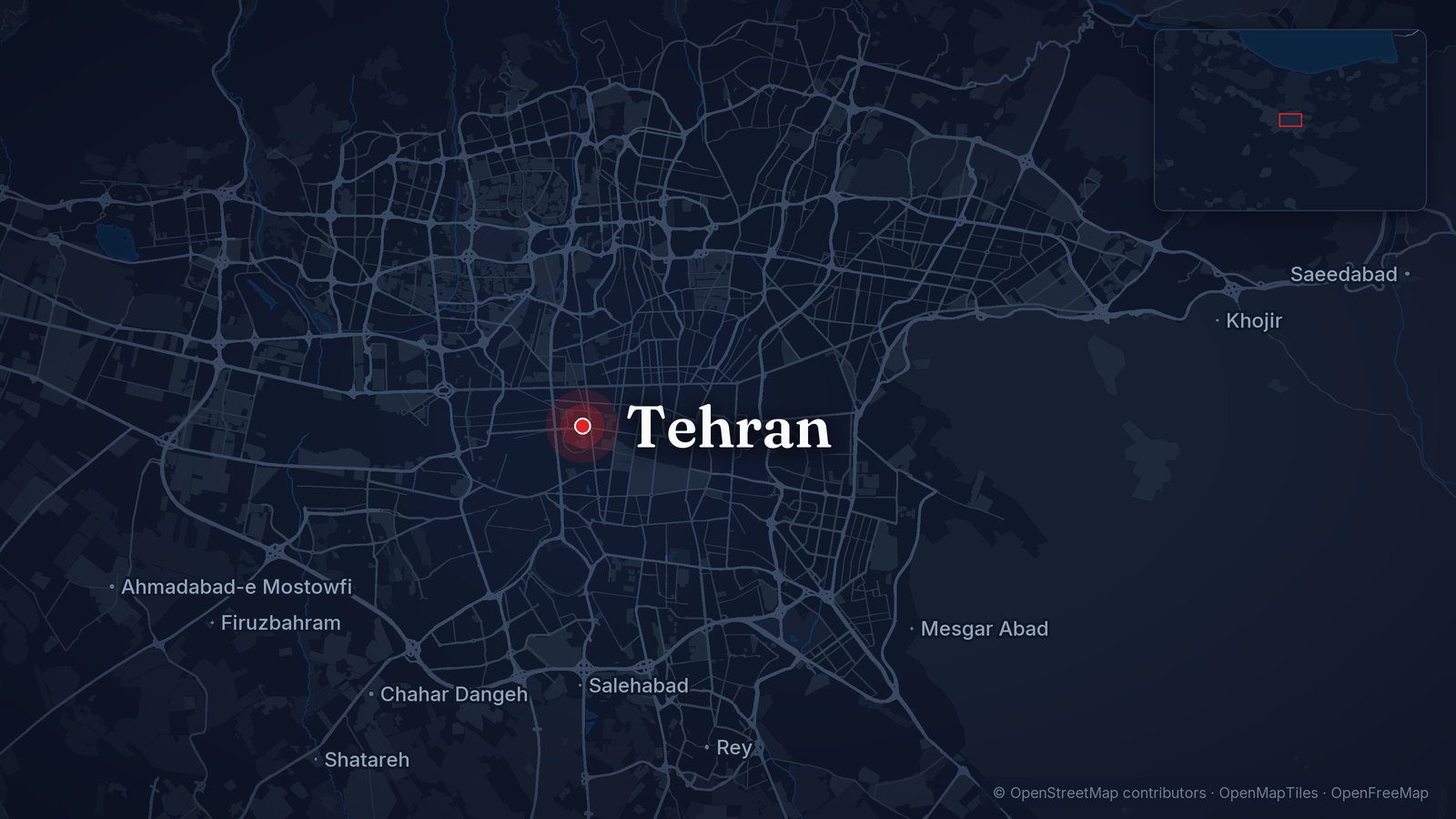
MapIran, Saudi Arabia, Turkiye And Pakistan Agree To Continue Talks In Tehran Amid Houthi Attacks
9 West Asian6 Other3 Asian5 Other source typesMap: © OpenStreetMap contributors, ODbL · Cropped for layout
This article is an automated aggregation of coverage from news outlets. Our editorials offer in-depth analysis curated by the NewsCord team.
Mecca Defence Agreement members—Saudi Arabia, Turkey, Pakistan—agree to continue talks with Iran. Iran hosted first high-level meeting with them in Tehran, Mohsen Rezaei chaired.
i24NEWS was read line by line by the Watchdog: 3.0. See the score →
Tehran talks amid missile fire
Iran, Saudi Arabia, Turkiye and Pakistan agreed to continue talks for regional “peace and security” as the Saudi-led coalition fighting in Yemen said it had intercepted another barrage of missiles and drones fired by the Houthis at the kingdom. The talks in Tehran on Monday were the first high-level contact between Iran and the three nations since a war that began with US and Israeli strikes on Iran also spread to Saudi Arabia and Yemen. Colonel Turki al-Maliki, a spokesman for the coalition, said that three ballistic missiles fired by the Houthis and aimed at Saudi Arabia’s Eastern Province had been intercepted, causing no casualties.
The coalition said it had downed three more drones over Riyadh and southern Saudi Arabia on Monday evening, and it said the visit to Tehran was meant to open negotiating channels to “prevent the return of military escalation”. Iranian state media published pictures of Iranian President Masoud Pezeshkian, Foreign Minister Abbas Araghchi and Mohsen Rezaei, secretary of the Supreme National Security Council, attending the meetings.
Mecca pact, non-aggression agenda
Saudi Arabia, Pakistan and Turkiye met Iranian leaders in Tehran on Monday, and the four countries agreed to continue discussions to strengthen regional cooperation on peace and security. Mohsen Rezaei hosted the meeting, and the Saudi delegation was led by Defence Minister Prince Khalid bin Salman, Pakistan was represented by Army Chief Field Marshal Asim Munir, and Turkey’s delegation included intelligence chief Ibrahim Kalin. A senior Pakistani security official told Reuters that the talks focused on building a regional non-aggression network, and another Pakistani official said Munir presented Iran with a proposal that would offer something to both Washington and Tehran.
The agenda also covered negotiations between the US and Iran, the Houthi attacks on Saudi Arabia, the Strait of Hormuz and the US blockade of Iranian ports, according to the Reuters reporting in the Al Jazeera account. Iranian security chief Rezaei said the visit showed that “American threats have little impact on countries around the world” and he spoke of a “new and positive atmosphere” in the region.
Nuclear issue and regional stakes
The talks came as tensions between Washington and Tehran sharpened, with Trump saying on Friday the US may strike Iran again, and mediation led by Pakistan and Qatar having produced an interim peace agreement in June before fighting resumed. An Iranian official said Tehran’s nuclear program was excluded pending satisfaction of its conditions for ending the war, while the Al Jazeera account said the agenda also covered the US blockade of Iranian ports. The Reuters reporting cited in Al Jazeera said the states in the Mecca pact, along with Qatar, could act as guarantors if the proposal was accepted, and it said the agenda also covered the Strait of Hormuz.
Egypt’s parliament authorised President Abdel Fattah El-Sisi to take measures to support Saudi Arabia, and the authorization allowed the president to take necessary measures to support and defend Saudi Arabia, its sovereignty and its holy sites against any external attacks. The Mecca Joint Defense Agreement text reviewed by Reuters said signatories shall use “all necessary means” to eliminate threats to one another’s territorial integrity, sovereignty and internationally recognised borders.