Technology and Science20 July, 20263 min read
Brisbane Woman Jenitar Na’amoana Gives Birth to Identical Quadruplets at Royal Brisbane Hospital
This article is an automated aggregation of coverage from news outlets. Our editorials offer in-depth analysis curated by the NewsCord team.
Jenitar Na’amoana delivered identical quadruplets at Royal Brisbane and Women’s Hospital. Quadruplets conceived naturally and delivered by cesarean at 28 weeks four days gestation.
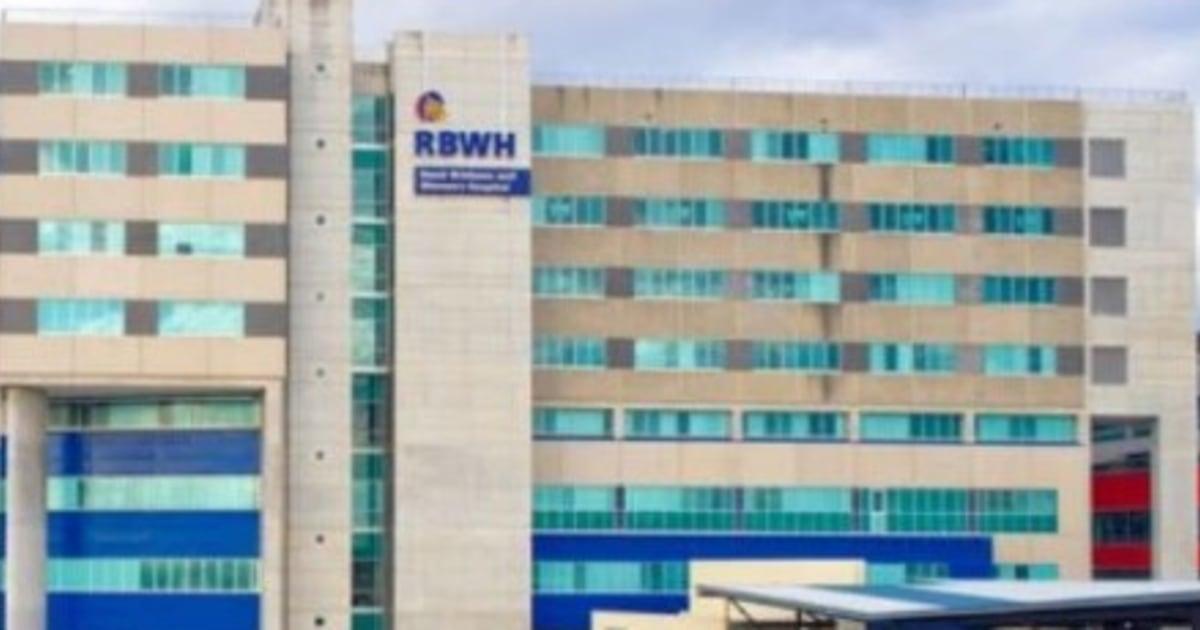
Rare quadruplets in Brisbane
A 34-year-old woman from Brisbane, Jenitar Na’amoana, delivered four naturally conceived, identical quadruplets at the Royal Brisbane and Women’s hospital, with the birth described as a “one in 15 million” pregnancy. The quadruplets—Emily, Harriet, Catherine and Alexa—were born by C-section at 28 weeks and four days on 14 July, and the hospital said the mother and her husband Jortham, who already have four children, were taken by immense surprise when told to expect quadruplets. Doctors said the babies were monozygotic, coming from a single fertilised egg that split into four embryos, and they shared the same placenta, which was described as “unheard of.”
“‘There is a very, very high-risk pregnancy,’ Bendall said.”
The hospital admitted Na’amoana as an inpatient at 25 weeks so she could be monitored, and the babies were cared for in the neonatal intensive care unit until they reach full term. Dr Alexa Bendall said the pregnancy was “very, very high risk,” and she added that “there is a high risk of mortality and morbidity for these babies, and for mum.”

Bendall’s odds and naming
Dr Alexa Bendall, a maternal-fetal medicine specialist and obstetrician, said identical quadruplets occur at one in every 15 million pregnancies and told the BBC that “but to share the same placenta — this is unheard of.” Bendall also described the family’s reaction when they learned they were carrying four babies instead of one, saying, “When they went along and they found out that they had four babies instead of one, they were quite shocked.” The parents named one daughter Alexa after Bendall, and Bendall said the gesture was “a beautiful tribute.”
The BBC reported that the newborn girls were currently “doing extremely well,” and that they would stay in the hospital’s neonatal intensive care unit until they reach full term. Bendall said Na’amoana had “taken everything in her stride from day one... she has somehow dodged every complication and risk for both herself and her babies,” as the pregnancy was monitored from early in gestation.
Hospital care and fundraising
The Royal Brisbane and Women’s hospital said Na’amoana was admitted at 25 weeks because her cervix was short and that she was monitored with sonographers scanning her every two weeks from 10 weeks into the pregnancy. After the C-section at 28 weeks and four days, the babies were delivered in good condition and were expected to remain in the neonatal intensive care unit for several weeks while they grow stronger. The family launched a GoFundMe campaign to help buy a van with at least 10 seats, and the BBC reported that Na’amoana wrote: “Our four precious miracles have arrived safely, and while our hearts are overflowing with gratitude, the reality of caring for four newborns at once has brought challenges we never could have imagined.”
People reported that the donation page had garnered more than $39,000 AUD as of Monday, July 20, and it quoted Bendall saying, “So the fact that we’ve got four beautiful, healthy babies born at 28 weeks and four days is incredible.” The Telegraph said doctors believe the monozygotic quadruplets were the first born in Australia to share one placenta, and it noted that the family was appealing for donations to help buy a van to carry all eight of their children.