Technology and Science · 09 August, 2026 · 3 min read
British Columbia Declares State Of Emergency As Wildfires Force 20,000 Evacuations
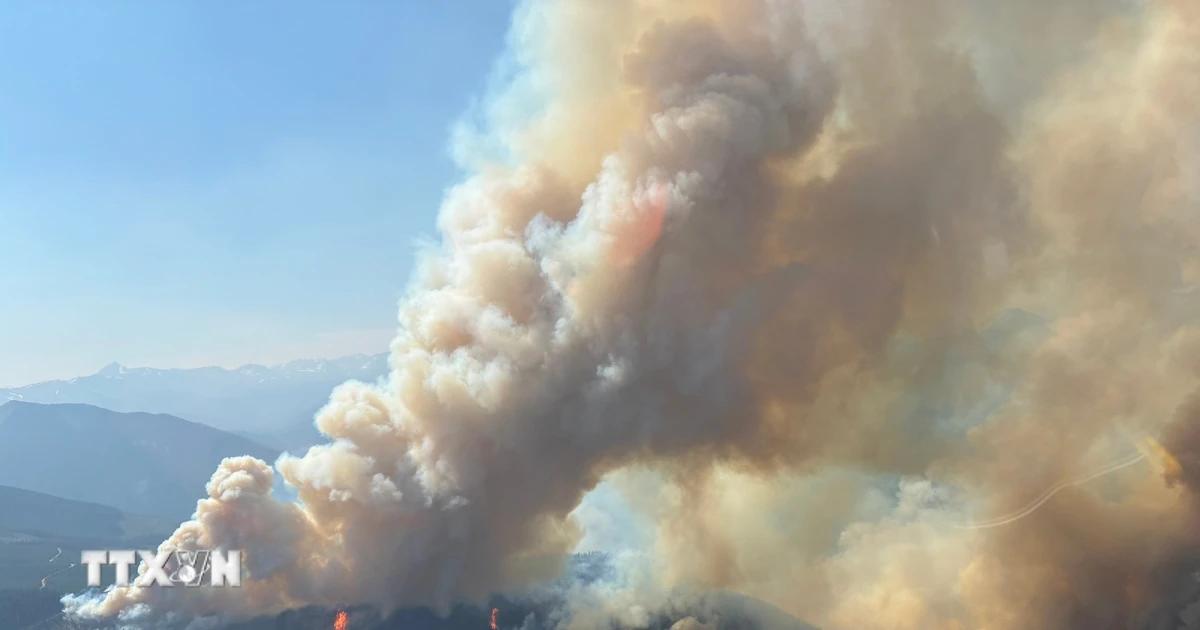
More than 20,000 people evacuated from communities along Okanagan Lake, British Columbia. British Columbia declared a state of emergency over the fast-moving forest fire.
Cause and purpose of international aid mentioned.
8 of 10 outlets skipped it: utah: two pilots died in helicopter crash while battling wildfire.
12outlets compared
Same story, two versions
tap a side to read it in full
RFI
“The province also benefited from the support of 34 people from Australia, five from New Zealand, and 214 from Mexico.”Read the original ↗
RTL Info
“Approximately 2,000 firefighters, police, and rescue personnel have been deployed to try to protect residents and infrastructure.”Read the original ↗
RFI foregrounds international rescue support; RTL sticks to domestic deployments and fire physics.
Bald Range drives evacuations
Wildfires burning across the western United States and Canada left residents watching for possible evacuation orders while others already fled their homes, with more than 20,000 people forced to evacuate communities along Okanagan Lake in British Columbia over the weekend.
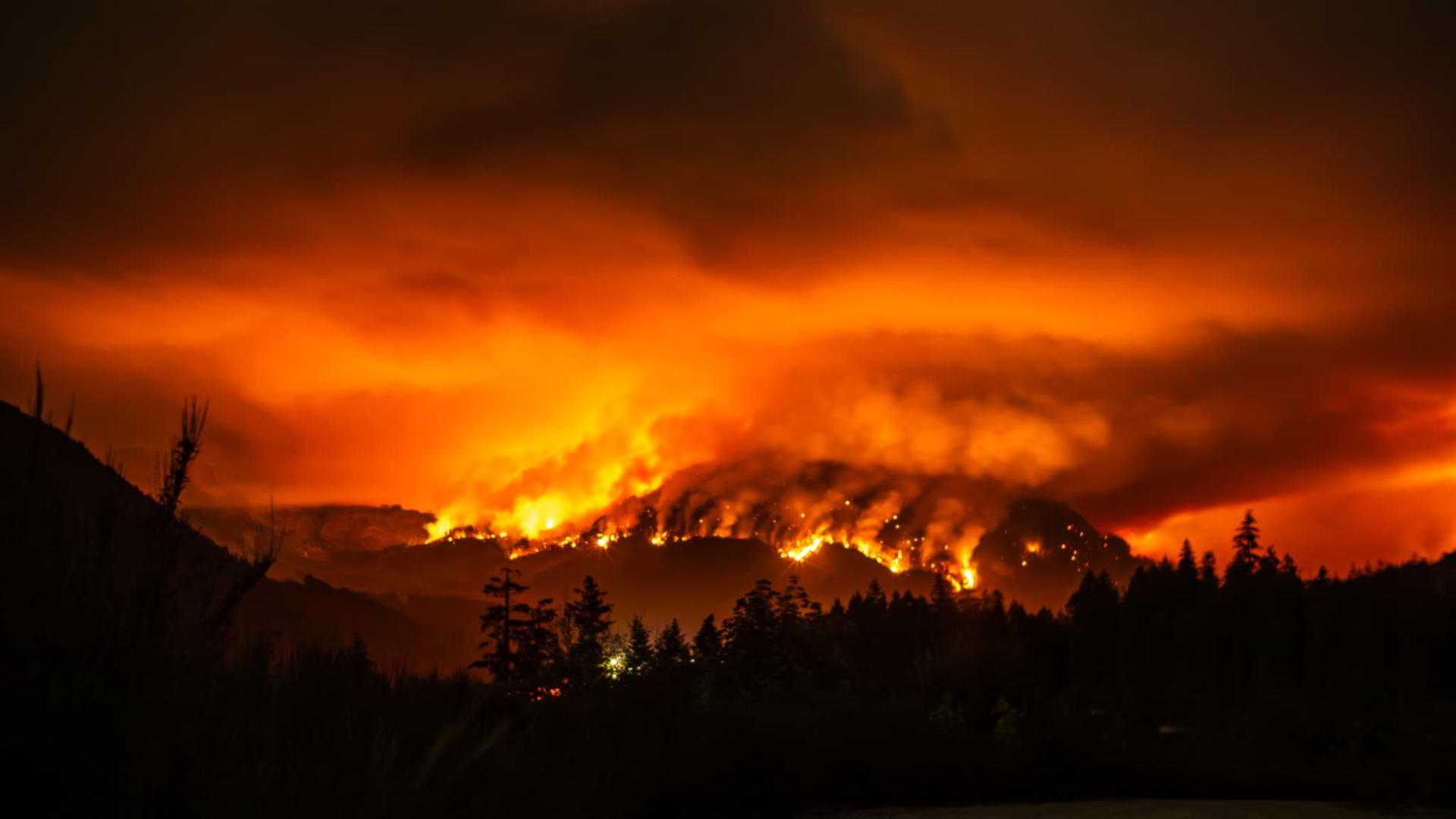
In British Columbia, a state of emergency was declared as more than 100 wildfires burned across the province, nearly half of them out of control in hot, windy weather and prolonged drought, and Premier David Eby said the blaze became so intense that it generated its own weather system and lightning.
The Bald Range wildfire, first reported Friday evening, raced roughly 9 miles toward Okanagan Lake within hours, and by Sunday the flames had scorched more than 53 square miles.
In the United States, crews continued cleanup near containment lines for three wildfires that began burning in the Spokane area for more than a week, while Laurie Allen left her Nine Mile Falls home north of Spokane with her husband, dog and two kittens.
Two helicopter pilots died on Friday after their helicopter crashed while battling the Widemouth 2 Fire in Fishlake National Forest, the U.S. Forest Service confirmed Sunday.
Officials and residents speak
At an evacuation center in Penticton, Summerland resident Anette Boulet said the approaching fire "looked like doomsday," fleeing before dawn with her family and five dogs as the speed of the fire forced even emergency officials to flee.
Erick Thompson, an emergency official with the Regional District of Okanagan-Similkameen, said, "I had to leave the EOC to come and get my family to leave this area. We're heading south," as traffic backed up around him.
British Columbia Forests Minister Ravi Parmar said 18 firefighting aircraft rescued more than 50 people, while Eby said some residents were trapped as search-and-rescue crews continued looking for others who may have been caught.
The Royal Canadian Mounted Police later said an 80-year-old woman died while trying to escape the wildfire that forced evacuations in the Okanagan Lake region, and Eleanor Olszewski said on social media that she approved a request for federal assistance from British Columbia to provide shelter and accommodations.
In Washington, residents in some areas north of Spokane were advised on Sunday to leave their homes, and in Utah, Sevier County Sheriff Nathan Curtis said, "When we arrived, we could see two distinct columns of smoke" during the helicopter crash response.
What’s at risk next
The wildfire response in British Columbia included emergency powers, with British Columbia Emergency Management Minister Kelly Greene saying the state of emergency gives the province additional powers, including the ability to restrict travel and secure accommodations for evacuees.
“"New ignitions occurring during periods of hot and dry weather can establish and spread quickly."”
High temperatures and wind gusts were expected to linger across the southeastern parts of the province and the Okanagan region, and the British Columbia Wildfire Service warned that "New ignitions occurring during periods of hot and dry weather can establish and spread quickly."
In the United States, the National Interagency Fire Center reported 183 new fires since Saturday and said more than 30,000 personnel with over 640 crews were assigned to the fires, while firefighters battled more than 94 large fires across the country.
Utah Gov. Spencer Cox mourned the deaths of the helicopter pilots in a social media post saying, "They put themselves in harm's way to protect our state and gave their lives in that service."
In Canada, the scale of the crisis was reflected in the evacuation numbers and the damage already reported, including that the Spokane-area wildfires had damaged or destroyed about 920 structures and that Highway 97 was closed between Peachland and Penticton as roads filled with evacuees.