Crimeupdated 2h ago3 min read
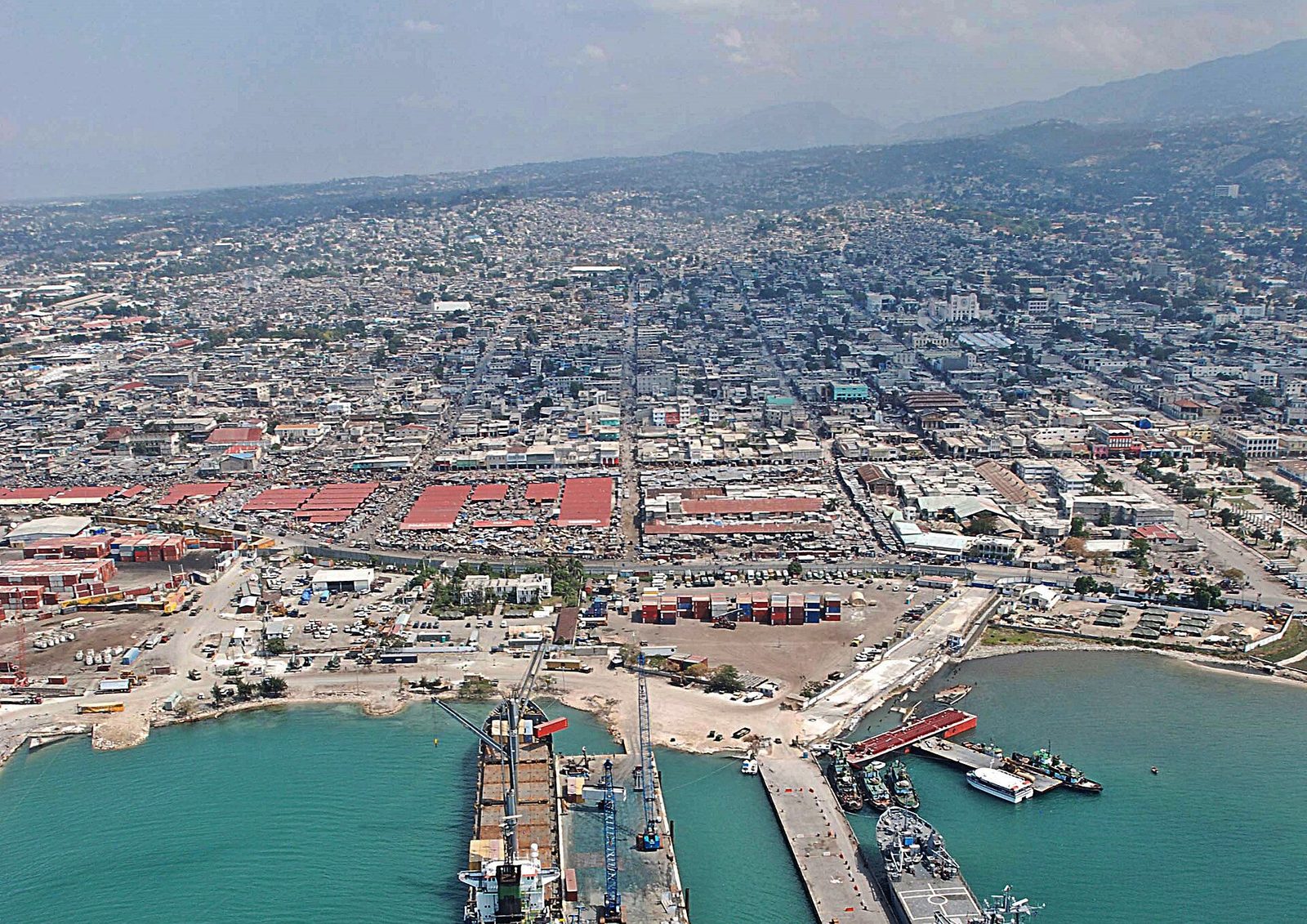
Archive photo · 16 September 2008Bukele Sends More Than 2,000 Soldiers to Haiti After Four Salvadorans Disappear
3 Other2 Western MainstreamPhoto: U.S. Navy photo by Chief Mass Communication Specialist James G. Pinsky / US federal government, Public domain · Cropped for layout
This article is an automated aggregation of coverage from news outlets. Our editorials offer in-depth analysis curated by the NewsCord team.
Around 2,000 Salvadoran soldiers deployed to Haiti after four Salvadoran technicians disappeared. The intervention was welcomed by Haitians as gang violence began showing signs of abating.
Save coverage image
5 outlets in this story. Read their headlines below.
Deployment after disappearances
President Nayib Bukele deployed thousands of soldiers to Haiti after the disappearance of four Salvadoran personnel in mid-October, turning the Caribbean crisis into a regional political and security barometer, according to Perfil. Reuters reported that after four members of the Salvadoran contingent disappeared on October 18, Bukele sent more than 2,000 soldiers on an independent mission operating under a UN mandate, and the mission aimed to recover the compatriots who disappeared. Port-au-Prince has seen a military intervention against gangs since Bukele sent about 2,500 soldiers to Haiti at the end of October, and the mission initially sought to locate four missing Salvadoran military technicians after a gang attack, according to France 24.
France 24 said between 80% and 90% of the capital remains under control of armed gangs, while the Salvadoran soldiers are not the only forces involved and operations include the Gang Repression Force, a United Nations multinational mission, the Haitian Armed Forces, the Haitian National Police, and the mercenaries of the American private military company Vectus Global, led by Erik Prince. Haitian police announced on November 3 that a joint operation recovered the burned vehicle used by four Salvadoran aviation technicians ambushed on October 18, in Santo near Croix-des-Bouquets outside Port-au-Prince, according to LatinAmerican Post.
Competing assessments of results
Robert Muggah, UN advisor on Haiti, told Reuters that there was "a theatrical component, and that is part of the shock and awe effect," but he said it had "not yet translated into guaranteed territory control." Reuters said ACLED registered 317 deaths between October 18 and November 20, more than doubling the 135 deaths recorded during the same period of the previous month, and it added that at least 26 of the victims were civilians according to the organization. Emmanuel* said, "Bukele, it’s thanks to him that we can come here," as France 24 described residents returning to areas where gangs had retreated.
Marie Rosy Kesner of RNDDH said, "These zones are liberated, but they were already liberated earlier by the other ground security forces," as France 24 quoted her. LatinAmerican Post said UN spokesman Stéphane Dujarric described approximately 200 Salvadorans operating within the GSF framework, while it said most of the much larger Salvadoran deployment falls outside it.
Legal, humanitarian, and political stakes
Perfil said doubts grow about the legal margin of the operation, its humanitarian costs, and its medium-term political sustainability, while it described Haiti as lacking general elections since 2016 and having much of Port-au-Prince under the control of armed gangs. Haitian Prime Minister Alix Didier Fils-Aimé insisted, "The international force is not here to replace the state," and residents need to know who can stop an operation, investigate a shooting, and answer for a wrongful detention, according to LatinAmerican Post. Bukele’s deployment is popular ahead of a February presidential election, and experts warned support could decline if casualties rise without results, according to Reuters.
Salvadoran army reported the death of three soldiers in Haiti last week, the first casualties since the military escalation, and Salvadoran security expert Luis Enrique Amaya said, "If the Government leaves Haiti, it must do so with a narrative of triumph," according to Reuters. Perfil said the intervention raised questions about international coordination, transparency, and the protection of civilians, while it described the crisis as exposing the limits of exporting a security model without a functional state to sustain it.