Crimeupdated 2h ago3 min read
Archive photo · 24 May 2026ICC Schedules Rodrigo Roa Duterte Trial for 30 November Over Crimes Against Humanity
4 Western Mainstream1 Asian1 Other1 West AsianPhoto: Ymblanter, CC BY-SA 4.0 · Cropped for layout
This article is an automated aggregation of coverage from news outlets. Our editorials offer in-depth analysis curated by the NewsCord team.
Duterte faces ICC trial opening 30 November 2026 for crimes against humanity. Trial concerns alleged extrajudicial killings during his anti-drug crackdown; victims' families seek justice.
Save coverage image
Duterte heads to ICC
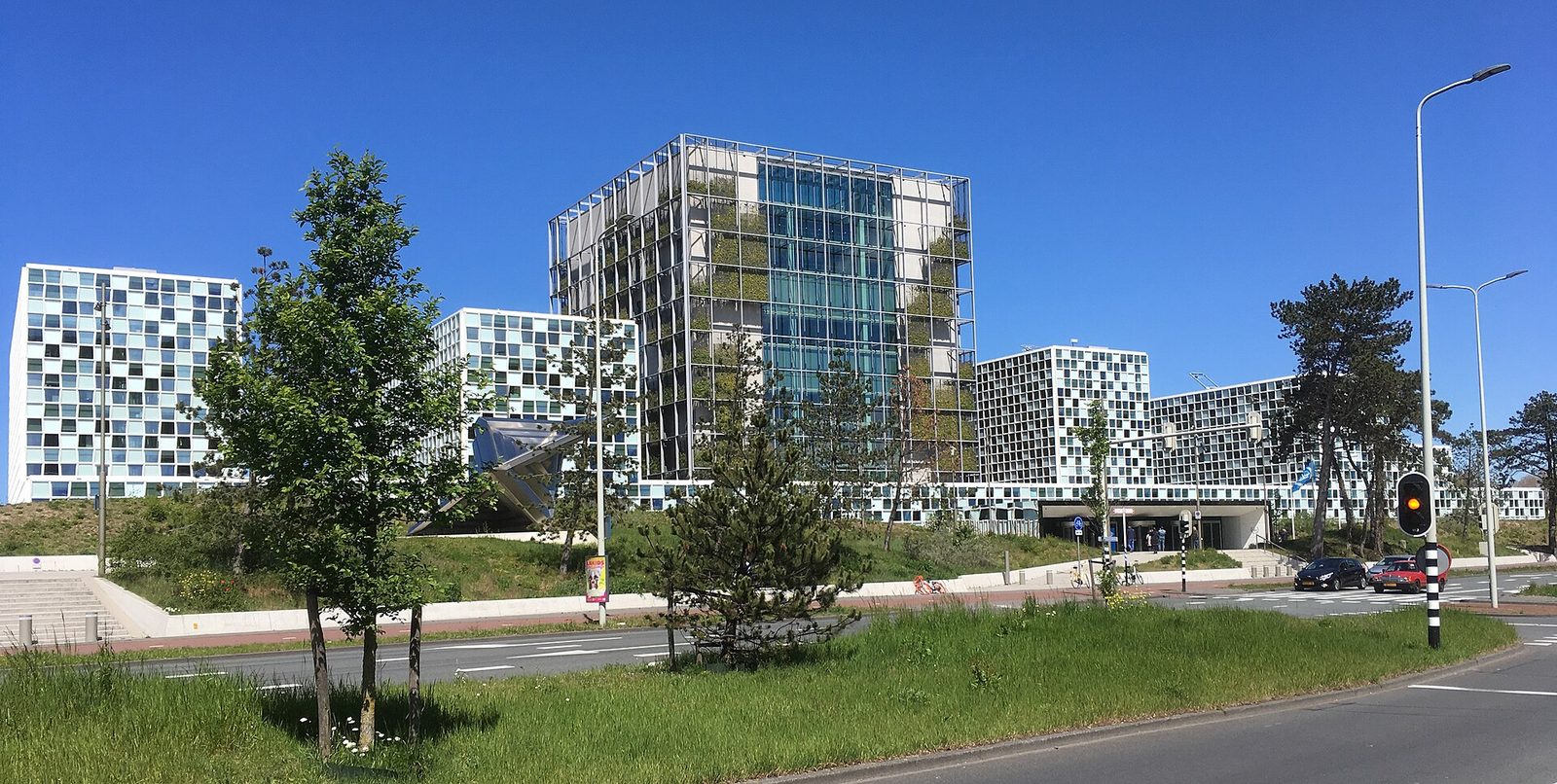
The International Criminal Court scheduled the opening of the trial in the case of The Prosecutor v. Rodrigo Roa Duterte for 30 November 2026 at 10:00 (The Hague local time), with hearings scheduled to take place from 30 November 2026 onwards.
The ICC said the trial will open before Trial Chamber III and that the Chamber will first verify that Mr Duterte understands the nature of the charges and will ask him whether he makes an admission of guilt or pleads not guilty.
The ICC charged Duterte with crimes against humanity of murder and attempted murder, allegedly committed as part of a widespread and systematic attack against a civilian population in the Philippines between 1 November 2011 and 16 March 2019.
Prosecutors say Duterte oversaw a campaign of extrajudicial killings in his anti-drug crackdowns that amount to crimes against humanity, and defense lawyers argue the alleged murders do not amount to crimes against humanity and warned his frail health prevents him from fully participating.
Prosecutors plan to call 70-100 witnesses, with some able to testify with protective measures, and if convicted Duterte faces a maximum sentence of life imprisonment.
NBC News also said prosecutors plan to call 70-100 witnesses, with some able to testify with protective measures, and it reported that if convicted Duterte faces a maximum sentence of life imprisonment.
Families seek accountability
Rodrigo Duterte’s trial drew families who described years of grief tied to the so-called “war on drugs,” including Llore Pasco, a 72-year-old mother and massage therapist who traveled from Manila to The Hague to witness the start of the trial. Pasco told The Associated Press that she wanted “justice for all victims,” saying of Duterte, “He is so lucky because he has due process unlike what happened to us, so we really want justice for all victims,” as she wept while describing her family’s continuing grief. Leonila Ignacio recalled the day her 15-year-old daughter Princess disappeared in Manila, and Princess was seen on CCTV being “rounded up and bundled into a police vehicle.”
The trial re-opened memories for families of killings tied to Duterte’s anti-drug campaign, including Kian, a 17-year-old shot dead by police in August 2017, and three police officers were convicted of his murder. Randy Delos Santos told the BBC that he was grateful to see Duterte on trial at The Hague, saying, “Thank goodness there is a court that paid attention.”
Charges, disputes, and pressure
Prosecutors allege that Duterte founded and led a group called the Davao Death Squad that targeted suspects linked to selling and using drugs, and NBC News said the first charge lists alleged murders while Duterte was mayor of Davao City. The second charge involves alleged targeted killings between 2016 and 2017 when Duterte was president, and the third cites alleged murders and attempted murders during so-called “clearance operations” between 2016 and 2018. The charges list 84 murders and two attempted murders, while prosecutors add that they are just a sample of a far higher death toll, with estimates ranging from more than 6,000 reported by national police up to 30,000 claimed by human rights groups.
Pre-trial judges ruled there were substantial grounds to believe Duterte was responsible for crimes against humanity of murder and attempted murder during a “widespread and systematic attack against a civilian population,” and the prosecution is to call on around 100 witnesses. Duterte did not appear at pre-trial hearings in February, saying in a statement at the time that he was “old, tired and frail” and had memory loss, while the trial’s first day is expected to assess whether Duterte understands the charges and whether he pleads guilty or not guilty.