China · 04 June, 2026 · 3 min read
China Builds Artificial Island on Antelope Reef Off Vietnam, Satellite Images Show
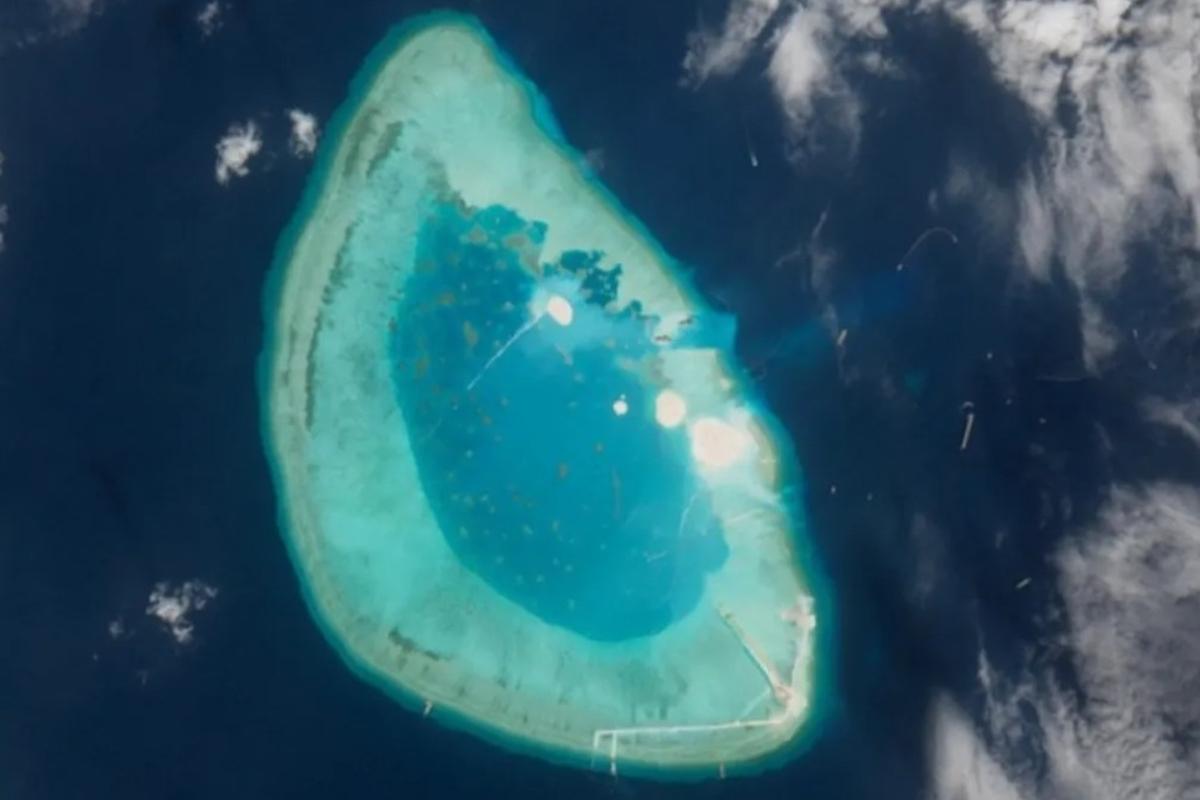
Antelope Reef expanded into a landmass of about six square kilometers. Some reports say at least 15 square kilometers reclaimed since December.
China’s purpose framed as military base vs broader strategic/structural change.
4 of 6 outlets skipped it: antelope reclaimed area reaches at least 15 km².
10outlets compared
Same story, two versions
tap a side to read it in full
One stresses immediate militarization; the other stresses long-term strategy and transformation dynamics.
Antelope Reef reclaimed
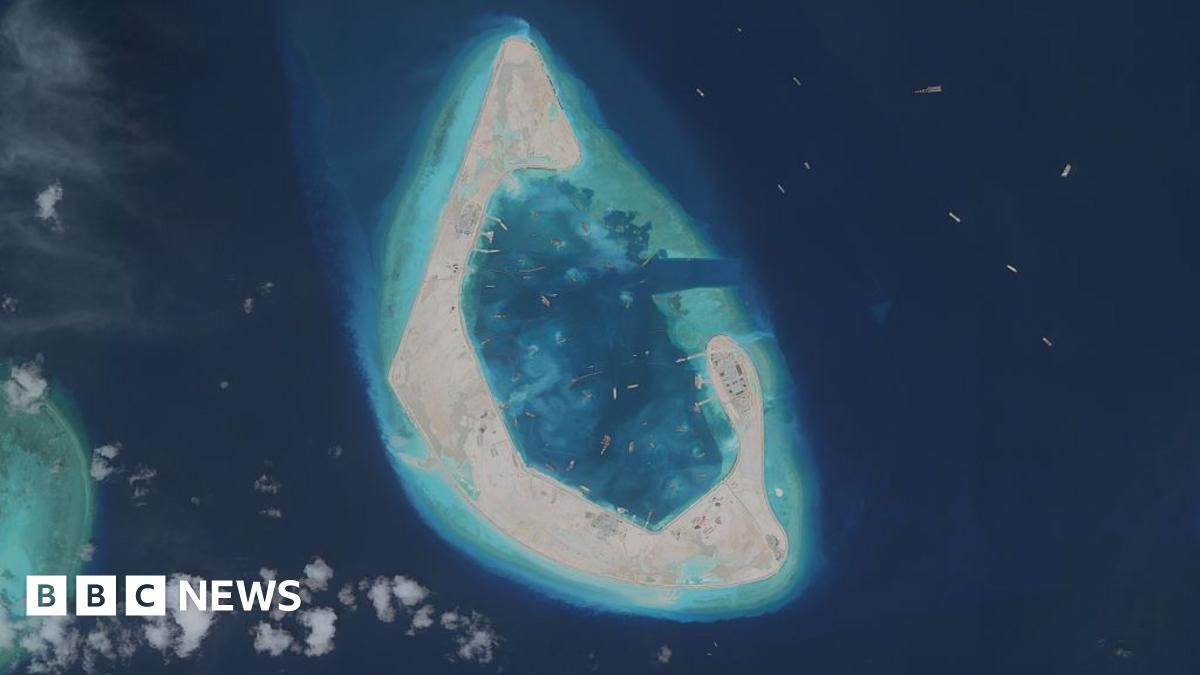
China has been moving ahead at a rapid pace to build an artificial island in disputed waters off the coast of Vietnam, with satellite images showing Chinese dredgers constructing a crescent-shaped island on Antelope Reef in the Paracel Islands. By April, the island’s features began to take shape with piers, a helicopter pad, and unpaved roads, and its area was about twice the size of Central Park in New York City as construction continued. The BBC described Antelope Reef as a 6-sq-km crescent of gleaming white sand with a scattering of buildings in one corner, after millions of tonnes of sand were dredged from the sea bed to create solid land in just six months.
The BBC also said the lagoon formed by the crescent shows dozens of ships that are almost certainly cutter suction dredgers, and it noted that some can scoop up 6,000 cubic metres an hour. In the same area, the CNN Arabic report said China has reclaimed at least 15 square kilometers of land in the Antelope Reef area since December, according to a security research organization.
Arms race and responses
The Le Figaro analysis said the Antelope Reef is a sand strip of barely six square kilometers and that satellite images suggest it could become a future military base. LLe Figaro quoted Lowell Bautista saying, "Antelope could be China's largest artificial development in this region," and added that it could include advanced radar systems and a runway. LThe BBC framed the dredging as part of a broader "dredging war" in the Paracel Islands and Spratlys, listing claimants including China, Taiwan, Vietnam, the Philippines, Malaysia and Brunei.
It reported that Vietnam has formally protested against China's construction on Antelope Reef, but "only in restrained, diplomatic terms," while also describing Vietnam’s own dredging spree and the creation of 11 new harbours. The BBC also quoted Greg Poling saying, "The Vietnamese have been less willing to be at the forefront of the public relations battle," while Ray Powell said the reclamation could be "considered as China's answer" to Vietnam.
What’s at stake next
The Science et vie report said that once reefs become land, the projects change in character, and from 2015 onward the new surfaces host runways, deep-water ports, hangars, and radar installations. SIt also said estimates converge on the disappearance of 12 to 18 square kilometers of some of the region's richest coral reefs, and that sediment plumes generated by dredging alter light propagation and disrupt currents. The Science et vie account added that the damage is difficult to contain and nearly impossible to reverse in the short term, while the State Oceanic Administration of China responds to criticism by citing global causes such as acidification or climate.S
In parallel, the BBC described Antelope Reef as undergoing a dramatic transformation "All in just six months," and it said the straight-line edge on a newly-made beach suggests China may be building another military-grade runway there. The Business AM report tied the construction to a regional arms race, saying it has increased tensions and the risk of conflict as China accelerates dredging work on Antelope Reef while the United States focuses on the Middle East.