
China · 07 August, 2026 · 3 min read
Sanae Takaichi Leaves Japan’s Three Non-Nuclear Principles Ambiguous on Hiroshima 81st Anniversary
Takaichi left open the possibility of revising Japan's Three Non-Nuclear Principles. She reaffirmed commitment to upholding the non-nuclear principles and a nuclear-free world.
Takaichi’s stance wording: ambiguity about reaffirming future “Three Non-Nuclear Principles”.
12outlets compared
Same story, two versions
tap a side to read it in full
DW
“advocated a "realistic approach" and stated that it is "necessary to assess the situation"”Read the original ↗
Washington Post stresses future ambiguity; DW stresses “realistic” review framing.
Hiroshima, Nuclear Policy Shift
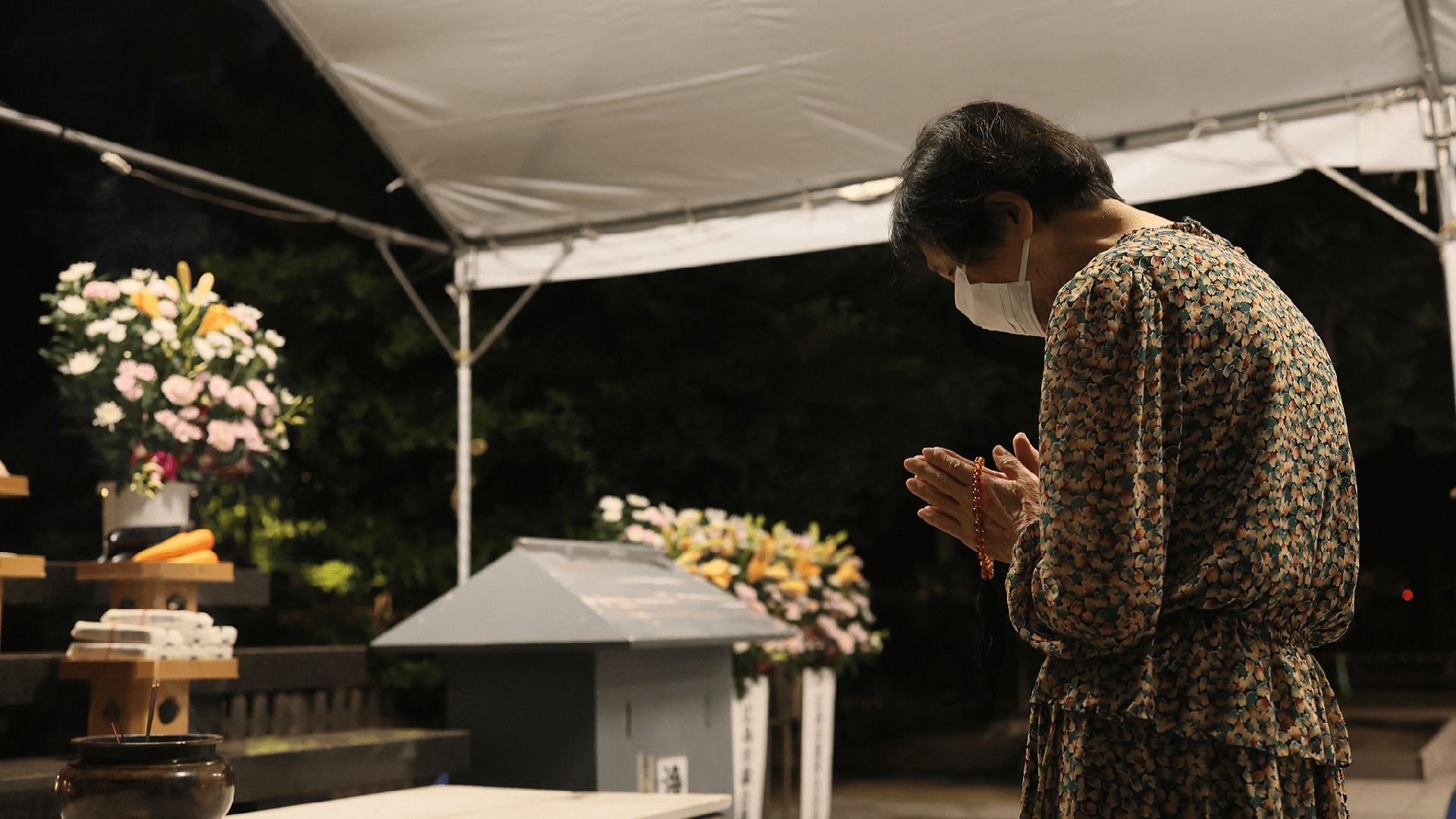
On the 81st anniversary of the U.S. atomic bombing of Hiroshima, Japan’s Prime Minister Sanae Takaichi attended the memorial ceremony while leaving future commitments on the “Three Non-Nuclear Principles” ambiguous in her remarks. The Washington Post reported that “Takaichi limited her remarks to a description of the present policy, leaving future commitments ambiguous,” as Japan prepares to revise national security strategy documents by the end of the year. THiroshima Mayor Kazumi Matsui used the same ceremony to condemn nuclear deterrence, saying, “Downplaying the inhumanity of nuclear weapons and accepting the use of force to pursue one’s own prosperity risk cycles of violent retaliation that could ultimately result in another Hiroshima or Nagasaki.”
The Korea Times said the debate is occurring alongside speculation that Takaichi’s hawkish government may ease Japan’s postwar three non-nuclear principles when it compiles new security and defense documents later this year. In the run-up to the ceremony, Takaichi’s remarks were also framed by China Daily as Chinese authorities “slammed Japanese right-wing forces” for exploiting Japan’s identity as a nuclear bombing victim, according to The Washington Post.T
Voices, Criticism, and Debate
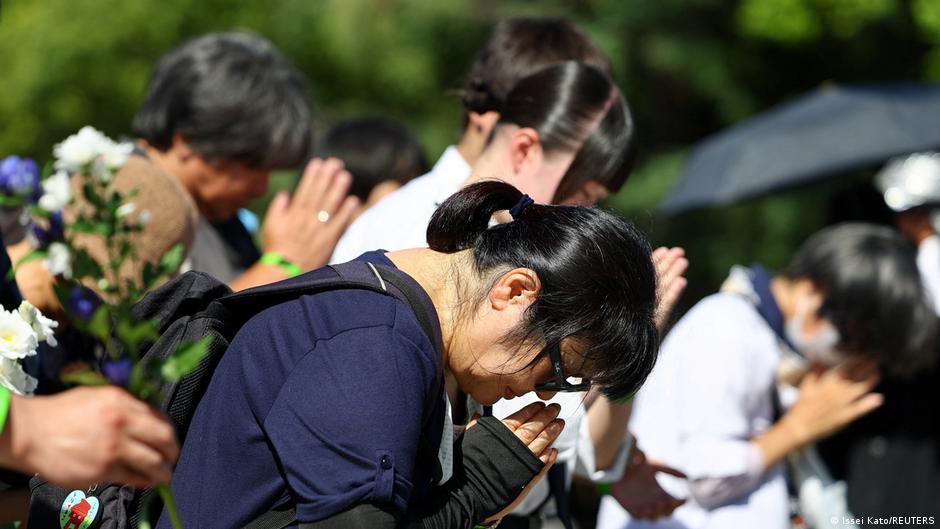
At Hiroshima Peace Memorial Park, Mayor Kazumi Matsui urged leaders to stop justifying possession of nuclear weapons as deterrence, warning that the approach “simply pushes a world without nuclear weapons further into the distance.” The Korea Times reported that Prime Minister Sanae Takaichi said she will take “a realistic approach” toward achieving “a world where nuclear weapons are never used,” within the framework of the United Nations’ treaty to prevent the spread of nuclear weapons. The Washington Post added that Defense Minister Shinjiro Koizumi told reporters that “all policy options should be discussed without taboo,” reinforcing the pressure on Japan’s long-standing nuclear stance.T
China Daily’s framing, as relayed by The Washington Post, included a Chinese Foreign Ministry spokesman, Lin Jian, connecting Takaichi’s remarks to broader efforts to step up Japan’s security posture. In parallel, the Asahi Shimbun described survivors’ anxiety that talk of reviewing the Three Non-Nuclear Principles is feeding fears of “nuclear war,” quoting Sachiko Umehara saying, “I can’t shake the fear that we are heading toward being able to wage war, with talk of reviewing the Three Non-Nuclear Principles.”
What’s at Stake for Japan
The debate over Japan’s nuclear posture is tied to the government’s plan to revise key security and defense documents by the end of the year, with Takaichi refusing to confirm whether the Three Non-Nuclear Principles will remain unchanged. DW reported that Takaichi said it is “necessary to assess the situation considering international trends and the increasingly complex security landscape,” while also reaffirming her “clear determination to never repeat the tragedy that occurred” on August 6, 1945 in Hiroshima and three days later in Nagasaki. The Washington Post said Takaichi’s earlier advocacy for reconsideration of the third principle—barring nuclear weapons from the country—has fueled speculation that her government is laying groundwork for a possible step toward changing the Three Non-Nuclear Principles.T
In the same period, The Washington Post said Takaichi argued Japan faces threats in the region from nuclear-armed Russia, China and North Korea, while also noting that Chinese state media criticized Japanese right-wing efforts to seek nuclear weapons. TThe stakes are also reflected in the Asahi Shimbun’s account of Hiroshima Governor Mika Yokota calling nuclear deterrence a “fundamental contradiction that fuels distrust and arms races among nations, and destabilizes the world,” as the city warned of the risk of “another Hiroshima or Nagasaki.”