China07 August, 20263 min read
China’s Defense Ministry Spokesperson Chen Xi Says Japan’s Remilitarization Threatens Regional Peace
This article is an automated aggregation of coverage from news outlets. Our editorials offer in-depth analysis curated by the NewsCord team.
China says Japan's claimed 'neighboring security threat' is pretext to remilitarize. Japan's increased military buildup and remilitarization threaten regional peace, Chinese spokesman says.
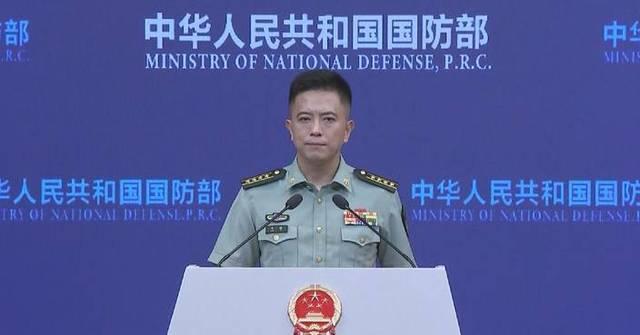
Beijing Warns Tokyo
China’s defense ministry spokesperson Chen Xi said on Friday in Beijing that Japan’s “remilitarization” efforts pose a “true threat to regional peace and stability,” linking the warning to Japan’s Maritime Self-Defense Force live-fire test of a Tomahawk cruise missile and its Air Self-Defense Force test of a new-type missile. Chen Xi said Japan’s “moves to accelerate its development of offensive weapons are increasingly rampant and perilous,” and he argued that Japan’s so-called “neighboring security threat” is an excuse to break free from its pacifist constitution and “exclusively defense-oriented” policy. In the same briefing, Chen Xi said “The real threat to Japan's security and regional peace and stability is exactly its rash action to ramp up military buildup and accelerate remilitarization.”
The remarks were delivered at a press conference in Beijing on Friday, according to the account that placed Chen Xi at the Ministry of National Defense briefing. The Chinese defense ministry also framed the issue as a warning against “accelerating the development of offensive weapons,” saying such moves were dangerous and deserved vigilance from regional countries.

Pretext and Vigilance
Chen Xi told reporters that “Realities have proved that the Japanese side's so-called "neighboring security threat" is merely a pretext for breaking free from its pacifist constitution,” and he said Japan was expediting “remilitarization.” In response to questions about Japan’s Maritime Self-Defense Force live-fire test of a Tomahawk cruise missile and the Japan Air Self-Defense Force’s captive carry test of a new-type missile, Chen Xi said Japan’s moves to accelerate offensive weapons were “increasingly rampant and perilous.” Chen Xi added that “The nightmare of war must not repeat itself and peace must be upheld,” and he urged the international community to unite and act in concert.
The Chinese defense ministry spokesperson also described Japan’s claims about the “most severe and complex security environment since World War II” as part of an argument that Japan was using regional security threats as an excuse. Japan’s defense minister, Shinjiro Koizumi, was cited as claiming that long-range missiles would become part of Japan’s counterstrike capabilities, while the Chinese side said the real threat came from Japan’s domestic moves to expand military capabilities.
Containment and Consequences
Chen Xi said it was “imperative for the international community to unite and act in concert to contain the rise of Japan's neo-militarism,” warning that Japan’s actions could “plung[e] the world into turmoil.” The Chinese defense ministry’s framing tied the warning to Japan’s reported live-fire test of a Tomahawk cruise missile and the Air Self-Defense Force’s test of a new-type missile, with the spokesperson calling for “high vigilance among regional countries.” The same set of remarks placed Japan’s offensive-weapons development within a broader claim that Japan was breaking constraints of its pacifist constitution and “exclusively defense-oriented” policy.
In the parallel account, Chen Xi urged that “The nightmare of war must not be repeated, and peace must be safeguarded,” and he called for action to prevent Japan’s “new militarism” from taking shape and causing harm. The dispute over Japan’s military direction was presented alongside a separate report that Tokyo stocks closed mixed on Friday, with the Nikkei Stock Average ending down 76.55 points, or 0.12 percent, and the Topix index finishing 19.08 points, or 0.47 percent higher.