China06 October, 20263 min read
Macron And Merz Urge Ursula Von Der Leyen To Cut China Access To EU Market
This article is an automated aggregation of coverage from news outlets. Our editorials offer in-depth analysis curated by the NewsCord team.
Macron and Merz urge EU to exclude China from the single market if needed. They proposed a rapid-action tool to counter China-driven market distortions.
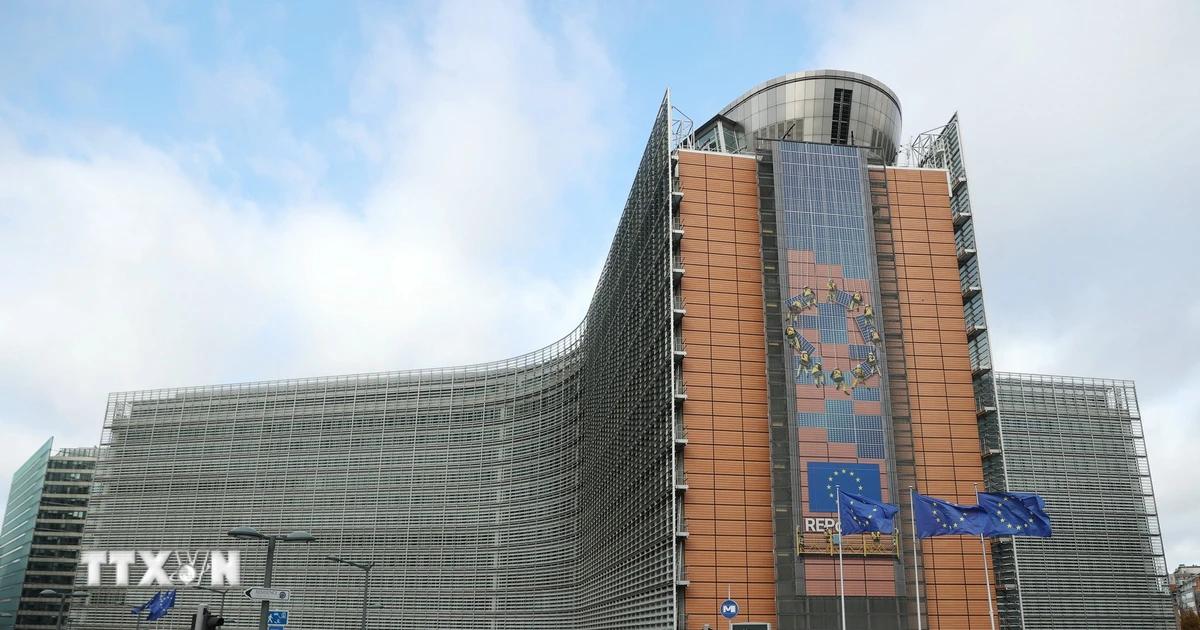
EU seeks faster China response
Emmanuel Macron and Friedrich Merz sent a letter to Ursula von der Leyen requesting that the European Commission advance its China agenda with concrete tools of trade defense, with the proposal framed around “a credible instrument” for “a decisive and systemic reaction.” The letter ties the need for action to the EU’s anti-coercion instrument, which it says is controversial and requires a high level of consensus, and it argues for activation by reverse qualified majority so the measure is put in place unless a wide majority of Member States oppose it. The proposal also calls for “strong measures,” including “cutting immediate access to the internal market if necessary,” while the text says China would need to continue having access to the European market because it is the main relevant market that remains open to its products.
Maroš Šefčovič, Commissioner for Trade and Economic Security, is set to travel to Beijing to meet Wang Wentao, and the initiative arrives only hours before that meeting. The European Council next week is set to debate whether to accept results from Šefčovič’s talks or to take trade protection measures against a deficit described as reaching 1,000 million euros per day.
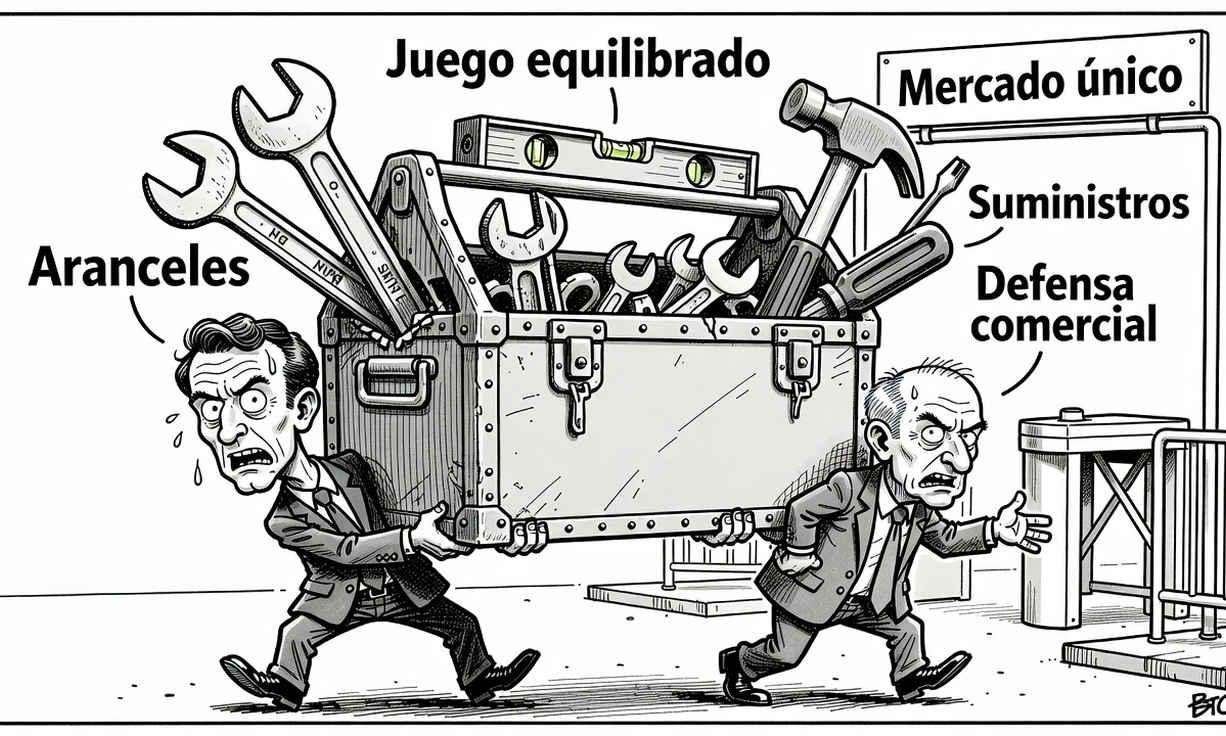
What the new tools cover
The Franco-German proposal says the new measure would not target any specific country, while it highlights dumping, widespread subsidies and restriction of currency convertibility as market distortions that many EU leaders say China is engaged in. The proposal urges the European Commission to deploy trade defense tools more swiftly and efficiently, with more investigations and a broader approach that covers whole sectors, and it also calls for measures to deal with imports of chemicals, PET (polyethylene terephthalate) and hybrid vehicles. A French presidential adviser told reporters that “France and Germany are very keen to put an end to the naivete on trade,” linking the push to the view that imbalances with some trade partners have become unsustainable.
The letter also calls for two new instruments as soon as possible, including a diversification tool to limit companies’ reliance on single sources for certain critical supplies and a second instrument to limit access to the EU single market for countries that undermine fair market conditions through political or economic means. The proposal describes a procedure where countermeasures would be adopted unless a qualified majority of EU members opposed, and German government officials say it could mean a matter of days for activation.
Trade deficit and retaliation planning
The EU’s trade imbalance with China is described as unsustainable, with Euronews stating the trade deficit reached an estimated €1 billion a day in 2025 and saying China had been given until this month to offer concessions. The policy paper accompanying the letter warns that “a massive industrial shock” is hitting sectors central to Europe’s economic model, including pharmaceuticals, aerospace, automotive, industrial machinery and chemicals. The proposal also calls for an inventory of possible retaliatory measures and an assessment of their impact on each member state, while it stresses that a united front will be crucial in any trade war with China.
The letter frames the new instrument as country agnostic and as one that should capture “all market distortions, from a single production to a whole sector, from subsidies to currency manipulation.” The initiative is also presented as part of a broader effort to reduce dependencies through diversification, and it says the Commission should make greater use of trade defence instruments by launching more investigations on its own initiative and reallocating staff and resources to support them.