Chinaupdated 1h ago2 min read
EU Trade Commissioner Maros Sefcovic Says China Will Halve Hybrid Car Exports To Europe
This article is an automated aggregation of coverage from news outlets. Our editorials offer in-depth analysis curated by the NewsCord team.
EU and China halve hybrid car exports to Europe over four years Trade commissioner says the deal could prevent millions of vehicles entering EU market
15 outlets told this the same way.
Hybrid exports capped
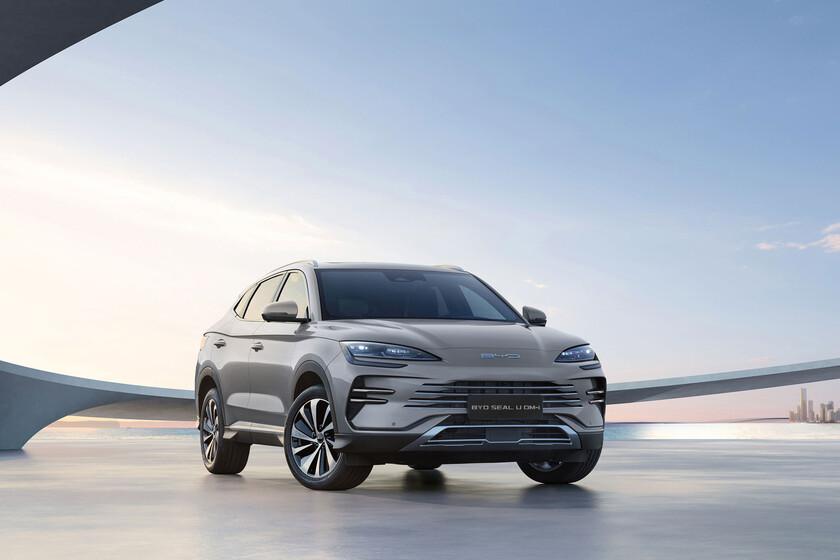
The European Union and China reached an agreement under which Beijing commits to moderate its exports of hybrid cars to the European market, as a first step toward trying to reduce the imbalance in bilateral trade. Trade Commissioner Maros Sefcovic said the commitment to reduce exports of hybrid cars and plug-in hybrids could halve the volume of Chinese vehicles arriving in the European market, and the talks were held in the Chinese capital between Maros Sefcovic and Chinese Minister of Commerce Wang Wentao and Vice Premier He Lifeng.
China also agreed to continue streamlining licenses for the export of rare earth minerals to Europe, while both sides continued negotiations to reduce tariffs and establish lower most-favored-nation tariffs that would allow Chinese electric vehicles to enter the EU market with a lower tariff. The agreement also included a commitment to improve access to the Chinese market for a number of EU products through lower MFN tariffs, with those products including automobile spare parts, olive oil and footwear, with a current export value of almost 4,000 million euros.
Rare earths and tariffs
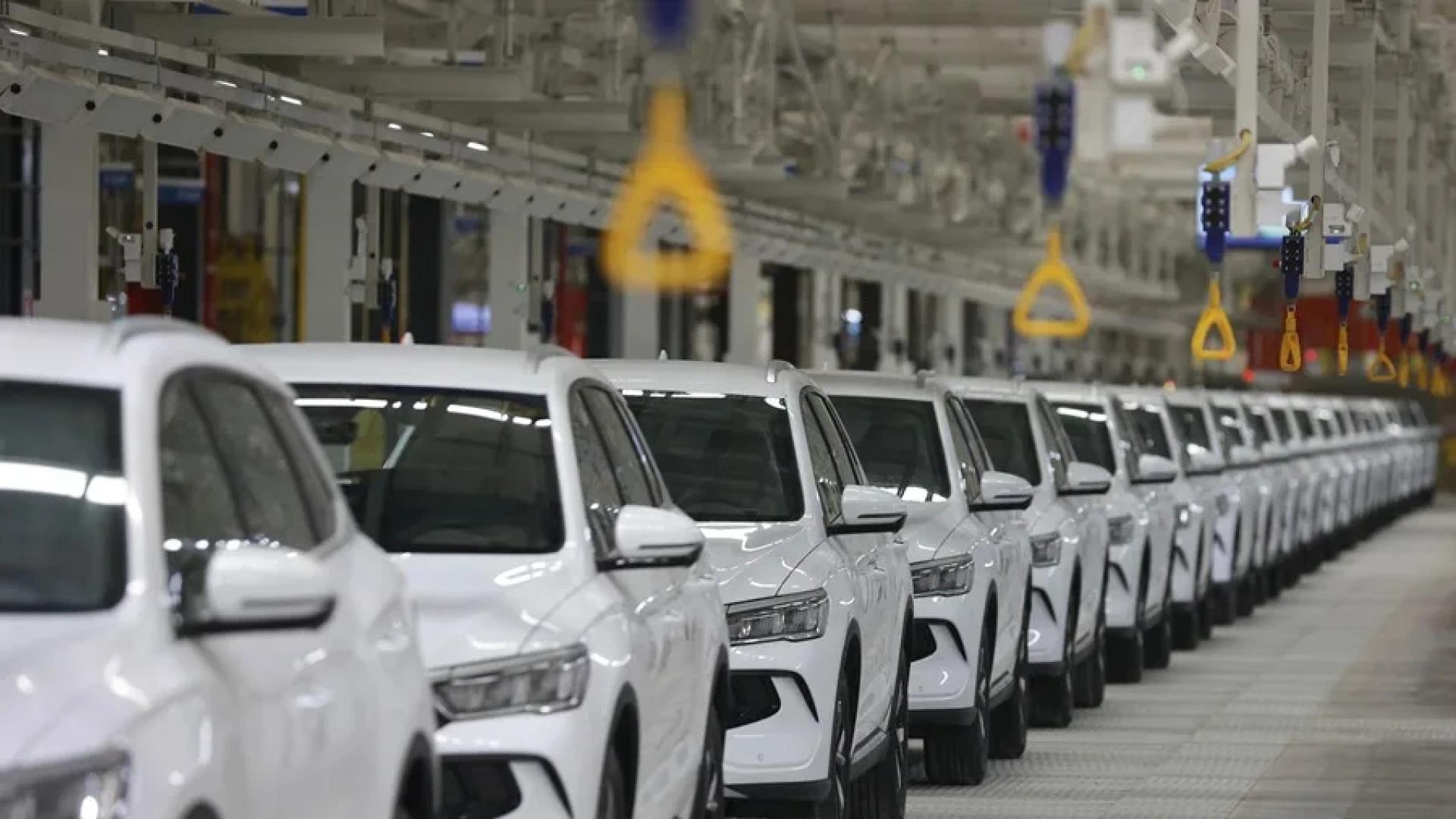
The EU and China also agreed to open a channel to reduce hybrid and plug-in hybrid exports by "more than half" over four years, while the pact aimed to balance a trade deficit with the EU that in 2025 reached €359.8 billion. The agreement included a "green channel" to streamline the issuance of export licenses for rare earths and magnets to EU countries, and it was described as easing trade tensions by guaranteeing European industries access to essential components for microchips, batteries, and green technology.
The deal foresaw annual savings of €225 million in duties for European footwear, olive oil, and spare parts companies, and it also included a commitment to facilitate access to EU cosmetics, medicines, and medical devices. The pact was described as pending formal ratification by Ursula von der Leyen and the 27 member states, and it was set to continue with negotiations in March after talks in Beijing between Maros Šefčovič and Wang Wentao.
Next steps and stakes
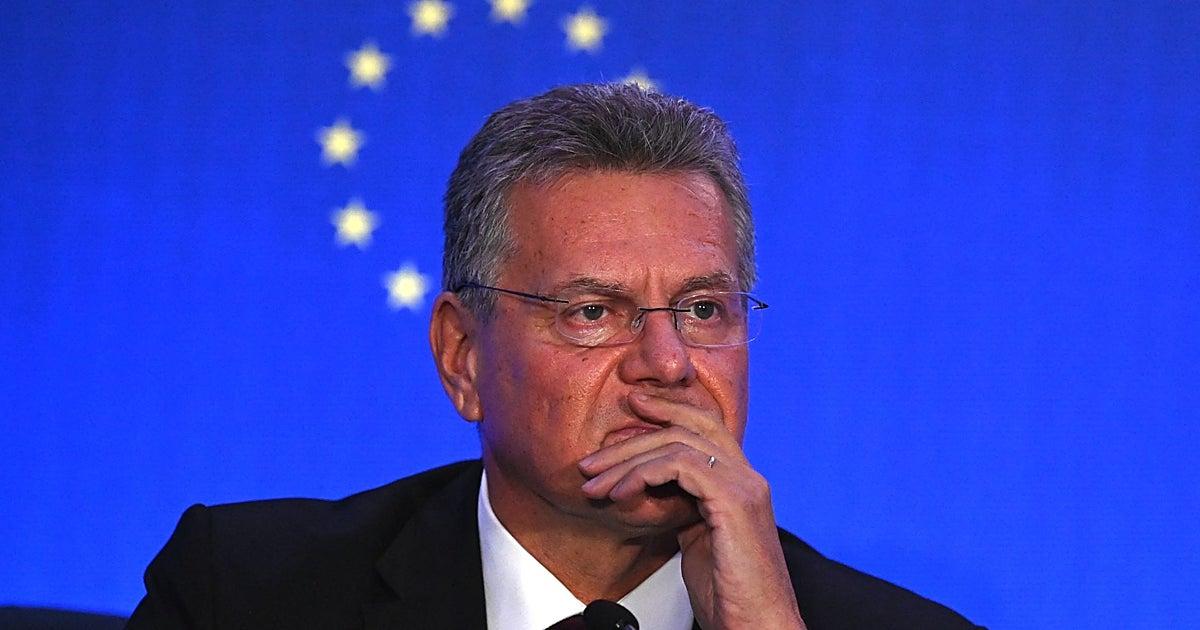
Maros Šefčovič said the understanding was "a crucial first step" in the process of trade rebalancing, and he warned that the breakthrough now had to be approved by European leaders at a summit in the Belgian capital next week. The agreement was also framed as a way to avoid a trade war, with Šefčovič ruling out the possibility of a "trade war" between the EU and Beijing and stressing that "genuine negotiation deserves real effort."
The pact set a schedule for further talks, with Šefčovič meeting again with Chinese Trade Minister Wang Wentao in January and a third round of consultations organized in March. The stakes in the sources were tied to European industrial dependence on rare earths and critical raw materials, with the European Commission presenting 46 strategic projects for the extraction, processing, and recycling of critical raw materials, including two Spanish initiatives.