Iran · updated 1h ago · 2 min read
Iran Suspends Flights To Baghdad And Muscat As U.S. Sanctions Target Iranian Airlines
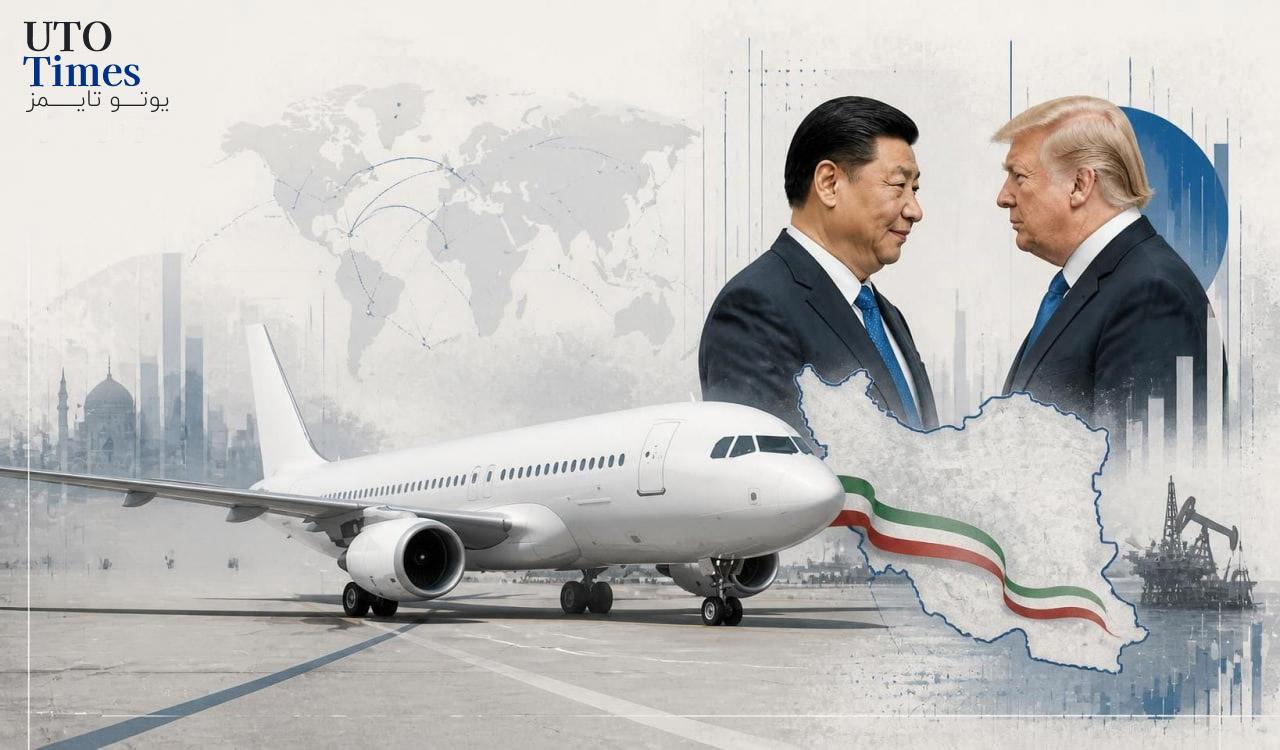
Iran suspended flights to Baghdad and Muscat as sanctions took effect. US sanctions target Iranian airlines' international operations from September 23 onward.
Whether reporting centres on continued operations vs sanction mechanics.
2 of 3 outlets skipped it: iran Air says it received no official notice to suspend certain routes.
13outlets compared
Same story, two versions
tap a side to read it in full
Mehr News Agency
“none of the international flights of Iranian airlines have been canceled, and they are being operated according to schedule.”Read the original ↗
Al-Manar TV Lebanon
“Iranian flight lands in China despite US threat of sanctions: flight tracker about an hour ago”Read the original ↗
Mehr News Agency emphasises operational assurances and continued routes, while Al-Manar and إيلاف focus less on airline scheduling.
Flights curtailed, routes shift
Iranian authorities suspended flights to Baghdad and Muscat from midnight, hours before new U.S. sanctions targeting Iranian airlines’ international connections came into force, Iran’s Civil Aviation spokesman Majid Akhavan said to Tasnim. Akhavan said Iranian authorities were trying to negotiate that flights bound for Baghdad be diverted to the Iraqi city of Najaf, while Azerbaijan suspended flights by Iranian airlines and Georgia had already announced it would end air links with Iran “in full compliance with the international sanctions regime.”
Al Jazeera reported that an Iranian flight landed in China despite the U.S. threat of sanctions, and a flight tracker framed the landing as a direct challenge to Washington’s pressure. Al Jazeera also reported that Iraqi and Omani airports would no longer receive Iranian flights, while talks were underway among Iranian aviation authorities to redirect flights from Baghdad to Najaf, a major pilgrimage site for Iranian worshippers.

U.S. threats and China’s pushback
U.S. Treasury Secretary Scott Bessent told CNBC that “All Iranian airlines will be paralyzed worldwide,” warning that if they land, they cannot be supplied with fuel, landing services cannot be provided, nor can tickets be sold, otherwise they will be excluded from the dollar system.
China’s Ministry of Foreign Affairs spokesperson Guo Jiakun told a press conference that China rejected the unilateral sanctions, arguing they lack a basis in international law because they do not have the authorization of the United Nations Security Council.

Al Jazeera Net said U.S. Treasury Secretary Steven Mnuchin warned other countries that “If these aircraft land, no one will be able to refuel them, provide landing services, or sell them tickets,” otherwise they will be kicked out of the dollar system.
Iran’s Civil Aviation Organization spokesperson Mayid Ajaván asserted that “none of the international flights operated by Iranian airlines has been canceled, and operations are proceeding as planned.”
What is at stake next
Iran’s civil aviation spokesman Majid Akhavan said flights to other international destinations continue, including Istanbul, after Baghdad and Muscat stopped accepting Iranian flights from 00:00.
Iran International reported that Baghdad Airport stopped accepting flights with Iran as the origin and Muscat International Airport also cut services to Iranian passengers and flights as a new wave of U.S. sanctions against Iran’s aviation industry was about to be implemented.
Al Jazeera Net said the Trump administration placed the entire Iranian aviation sector on the sanctions list, threatening to sanction any entity that does business with Iranian airlines, and it added that Iran closed its airspace completely after the U.S.-Israeli onslaught began in late February.
The Mehr News Agency said Akhavan maintained that “So far, none of the international flights of Iranian airlines have been canceled,” while it also cited U.S. MTreasury Secretary Scott Bessent’s warning that foreign airports, fuel suppliers and other companies providing services could face U.S. secondary sanctions.